The history of Lake Tyers dates back thousands of years being an important site for the local Indigenous people, the Gunai Kurnai. In the mid-1800s, European settlers arrived in the area and established a small town, which grew over time with the development of logging and fishing industries.
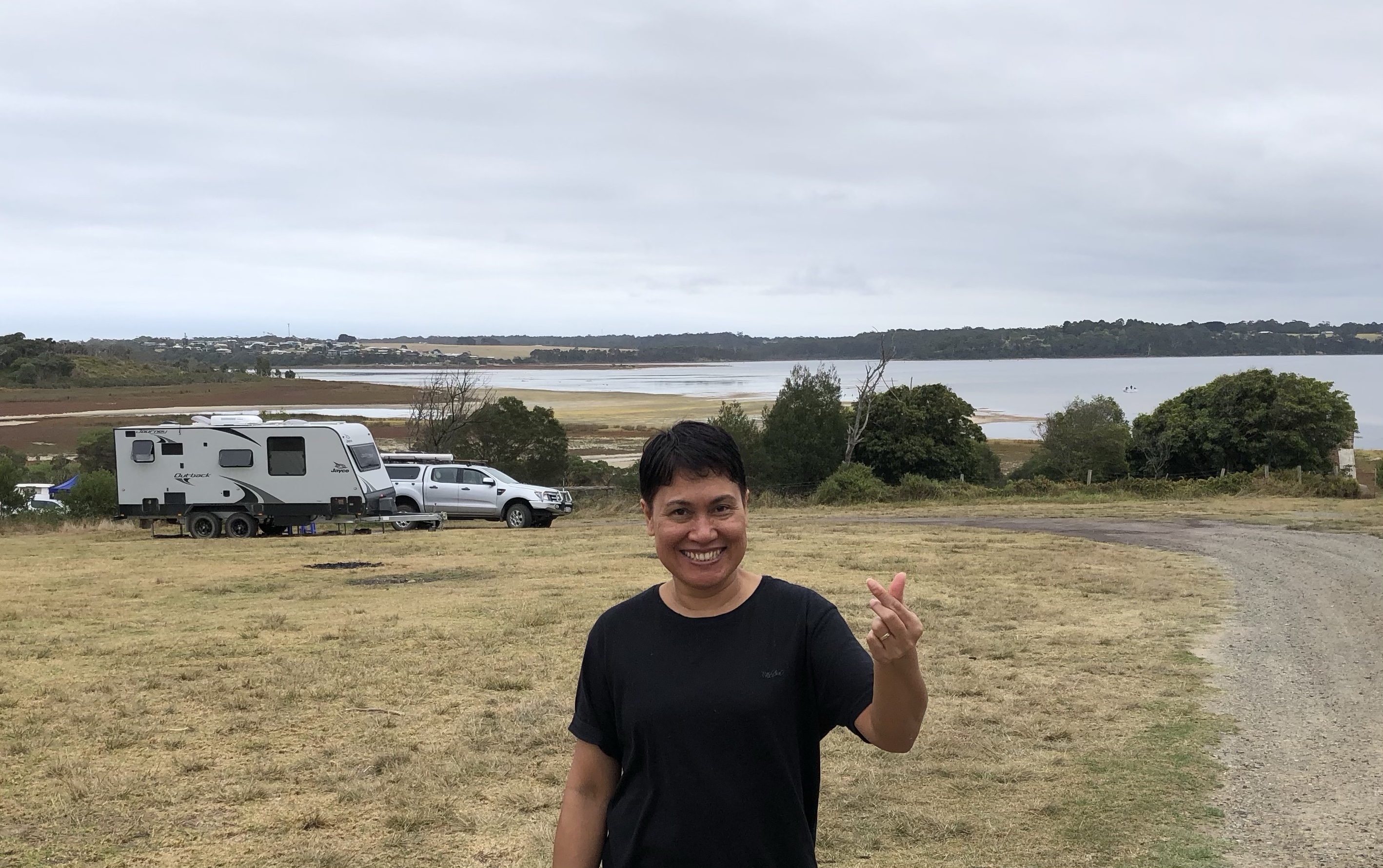
Partly encompassed by the Lake Tyers State Park (Australia’s first successful Aboriginal Rights Land Claim), Lake Tyers is a relatively large lake, with a surface area of approximately 10.7 square kilometers (4.1 square miles). The lake has a maximum depth of around 6 meters (20 feet) and a perimeter of approximately 40 kilometers (25 miles).
The campground is named after the small glass works established on the site by Edward Roberts in 1909 to manufacture glass insulators for the telephone lines. The insulators were embossed PMG 1912-1915. Today, only the chimney and various relics remain scattered around the foreshore.
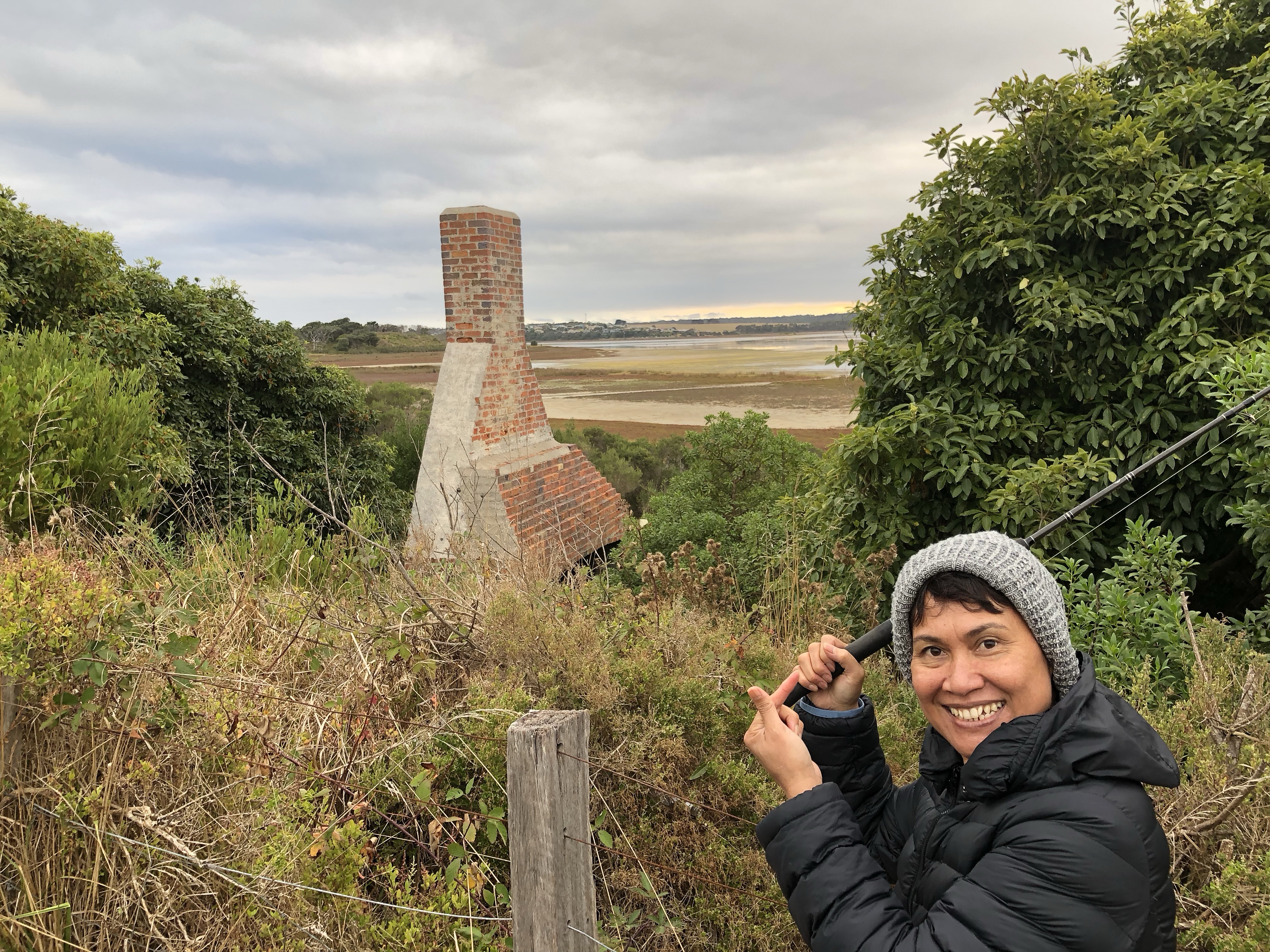
Scattered around the shore are many relic of the old glass manufacturing industry.

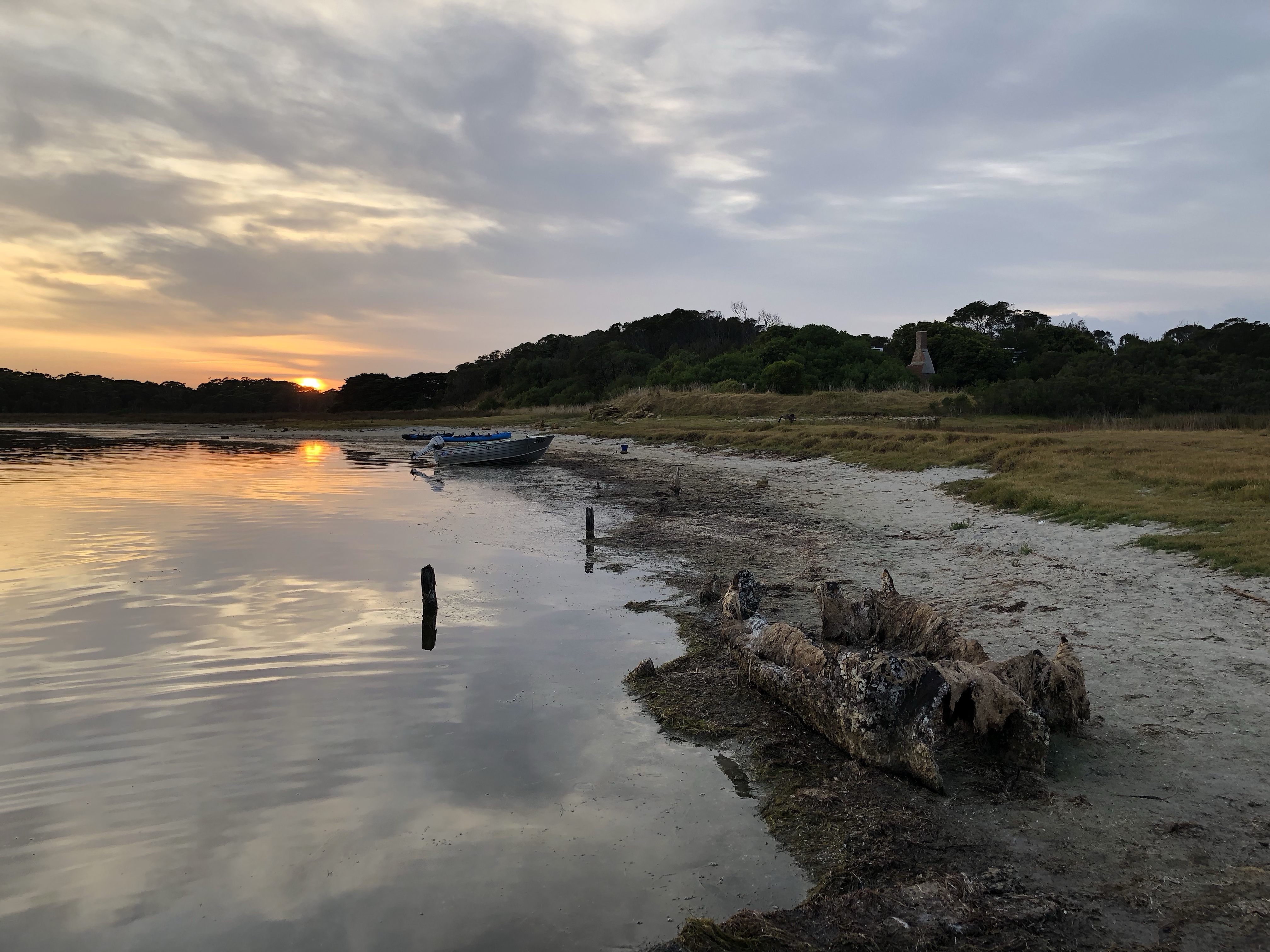
As well as camping, travellers and locals come the Lake Tyers for the excellent fishing and prawning. The prawning season runs from late September to early April.
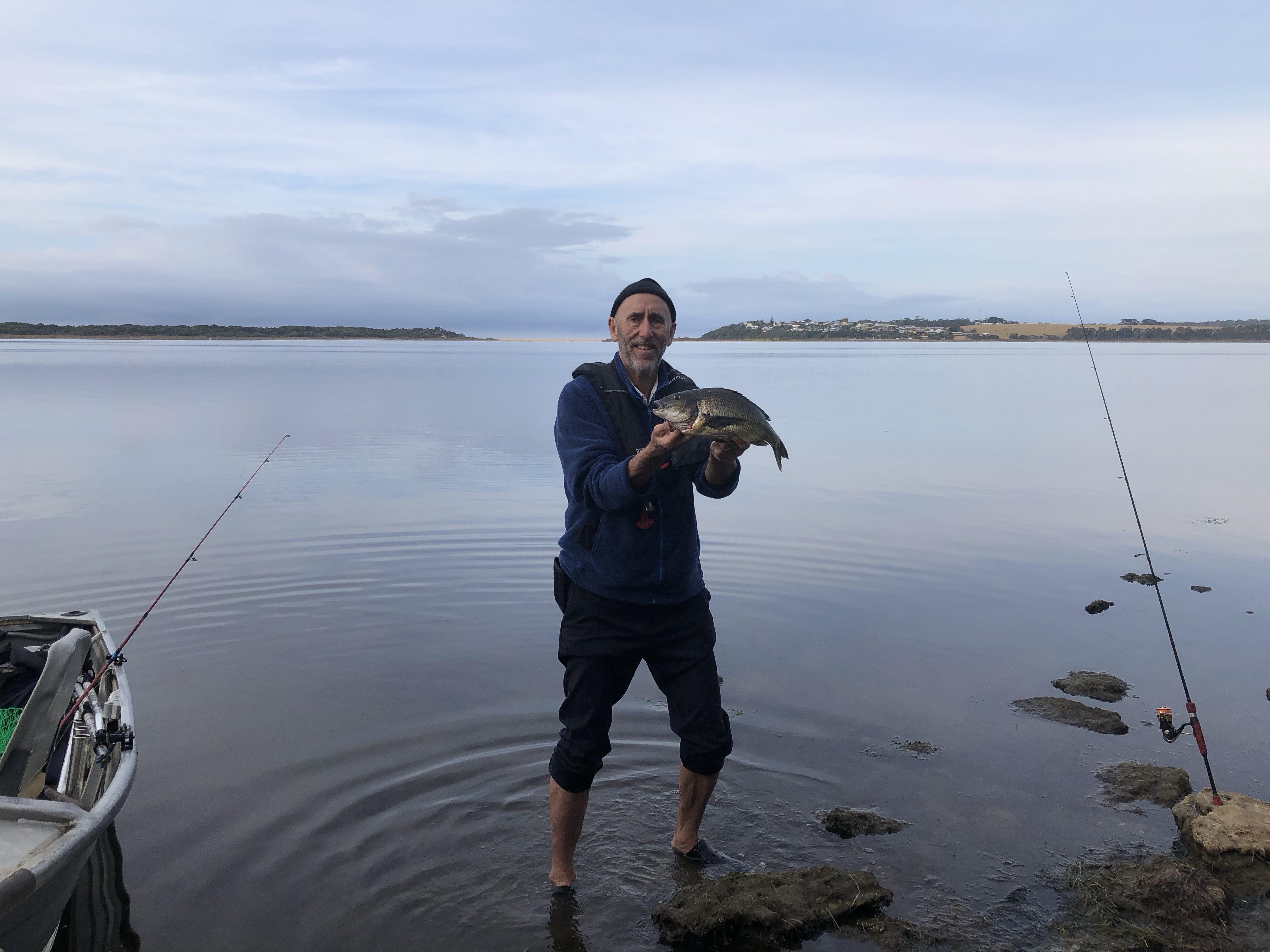
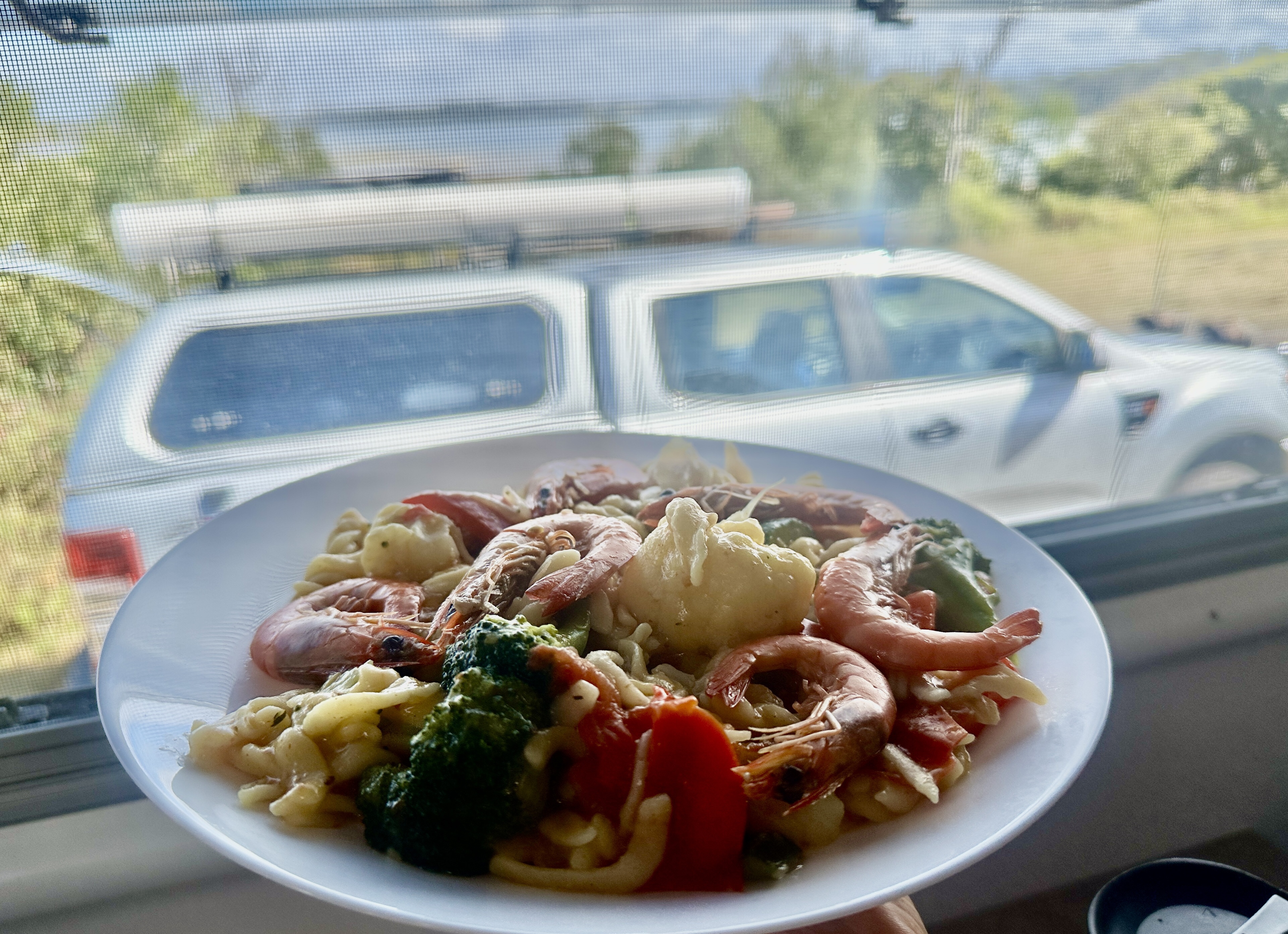
An experienced “prawner” can catch three kilograms of good sized prawns in an hour! We managed to bag about a kilogram over three nights which was plenty for a delicious meals.
Whilst the town of Lake Tyers can be seen across the water, it is about a fifty kilometre drive by car or about a four kilometre walk via the beach.

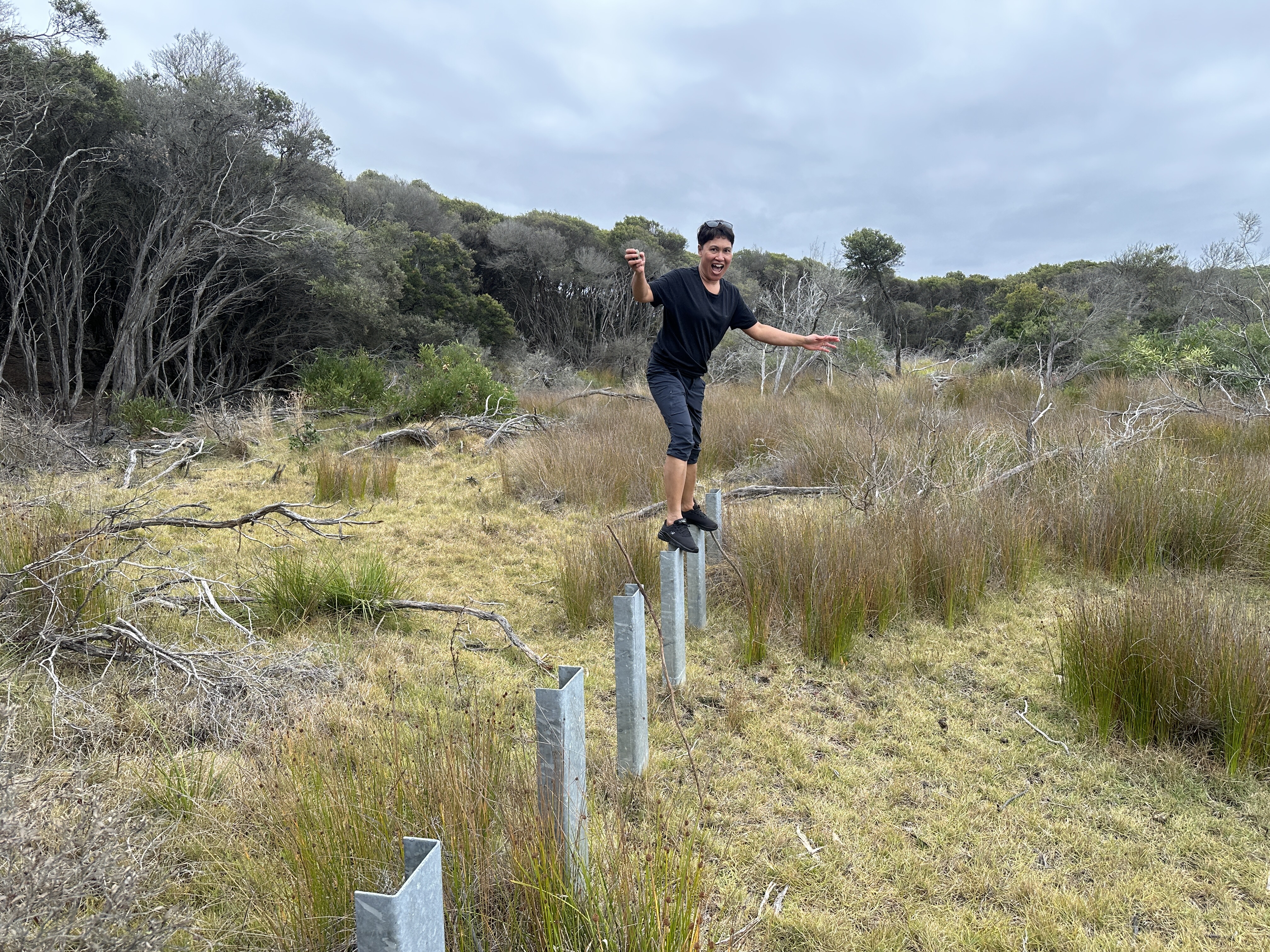
Bushwalking and enjoying the outdoors is all part of the experience at Lake Tyers.
With a range of campsites are available, some choose the hill for the lake views, while others prefer the more sheltered areas.
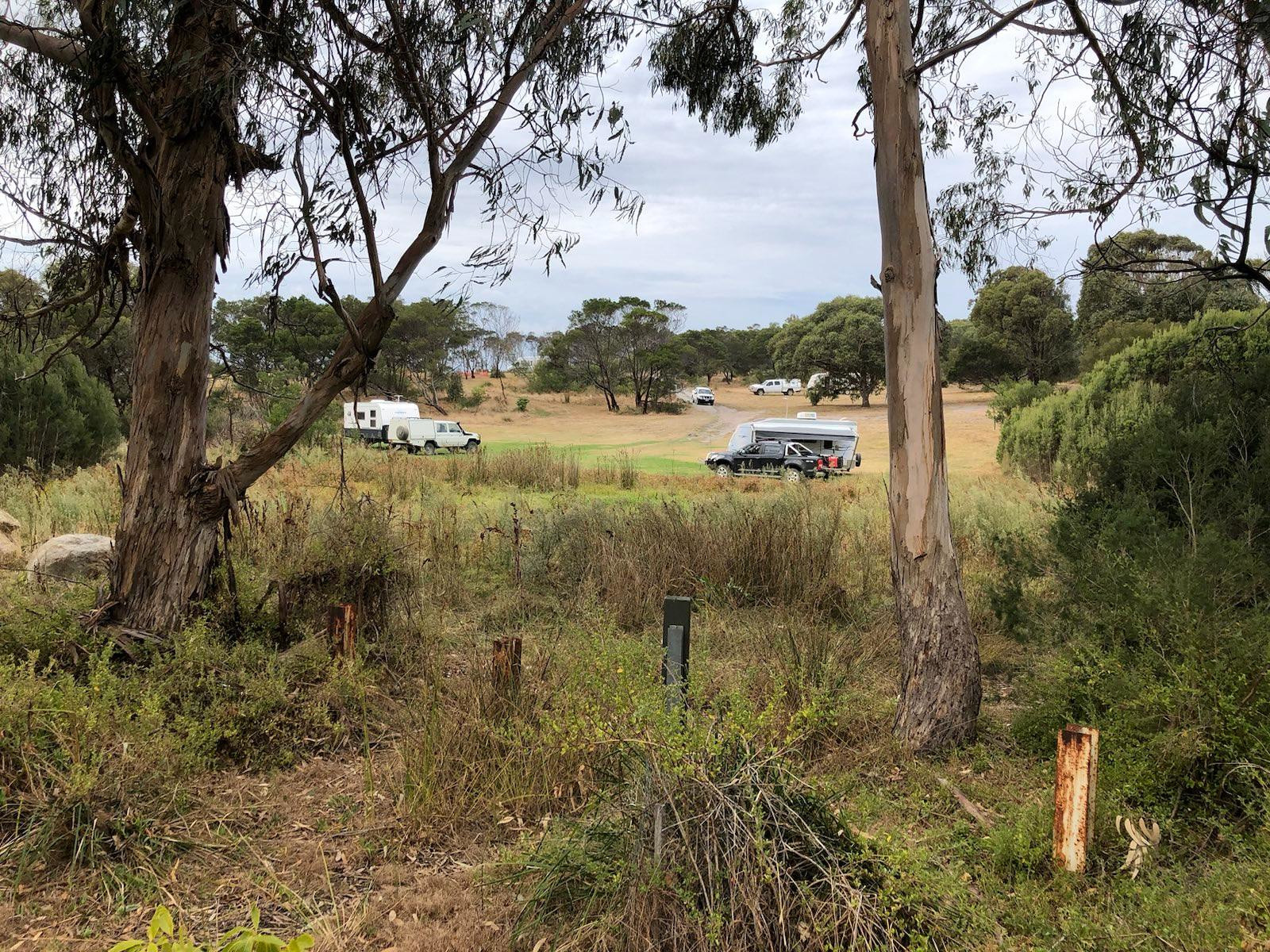
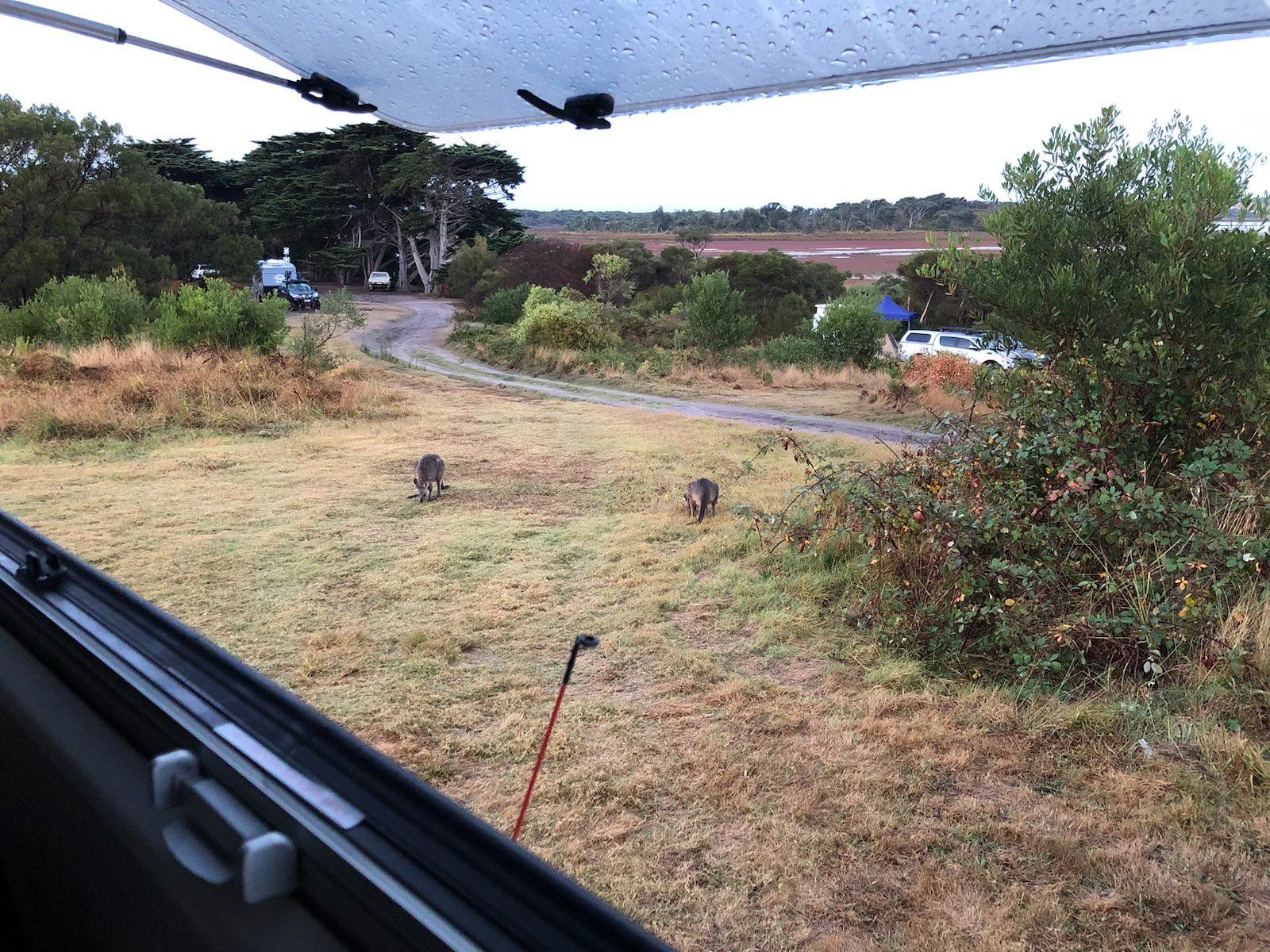
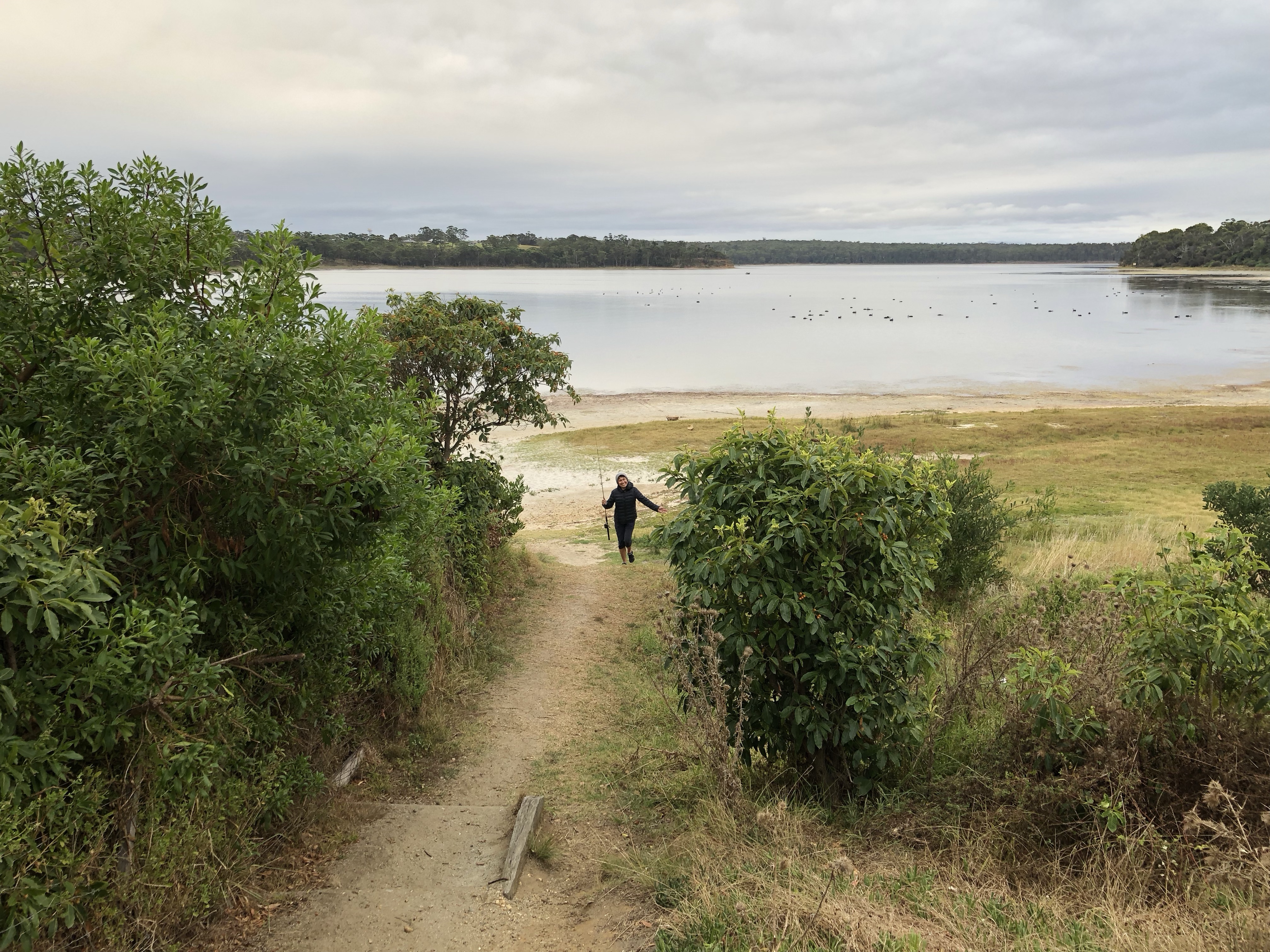
The Glasshouse Campground is sixteen kilometers off the highway down a lightly corrugated road which is narrow in places including some blind corners which should be approached at low speed.
 Jack and Mallie - All around Australia!
Sounds like another interesting place to visit . Each area has its own unique history, great to hear about it.
Regards Ray
LikeLiked by 1 person