Kununurra, a captivating town located in the Kimberley region of Western Australia, is situated amidst awe-inspiring landscapes and serves as a gateway to numerous natural wonders.
Awe-inspiring Landscapes
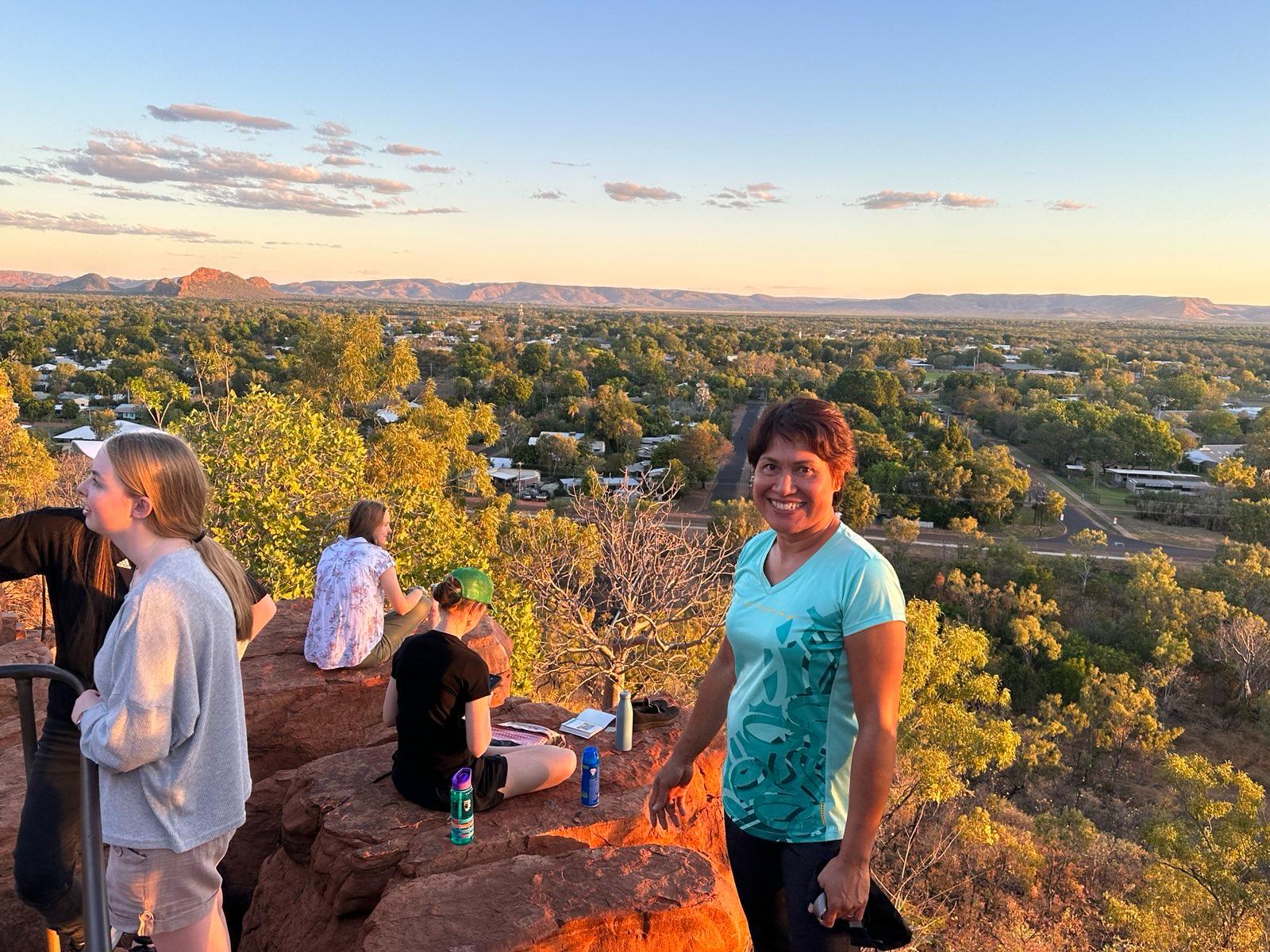
Kelly’s Knob stands tall on the outskirts of Kununurra, offering panoramic views of the town and its surrounding landscapes.
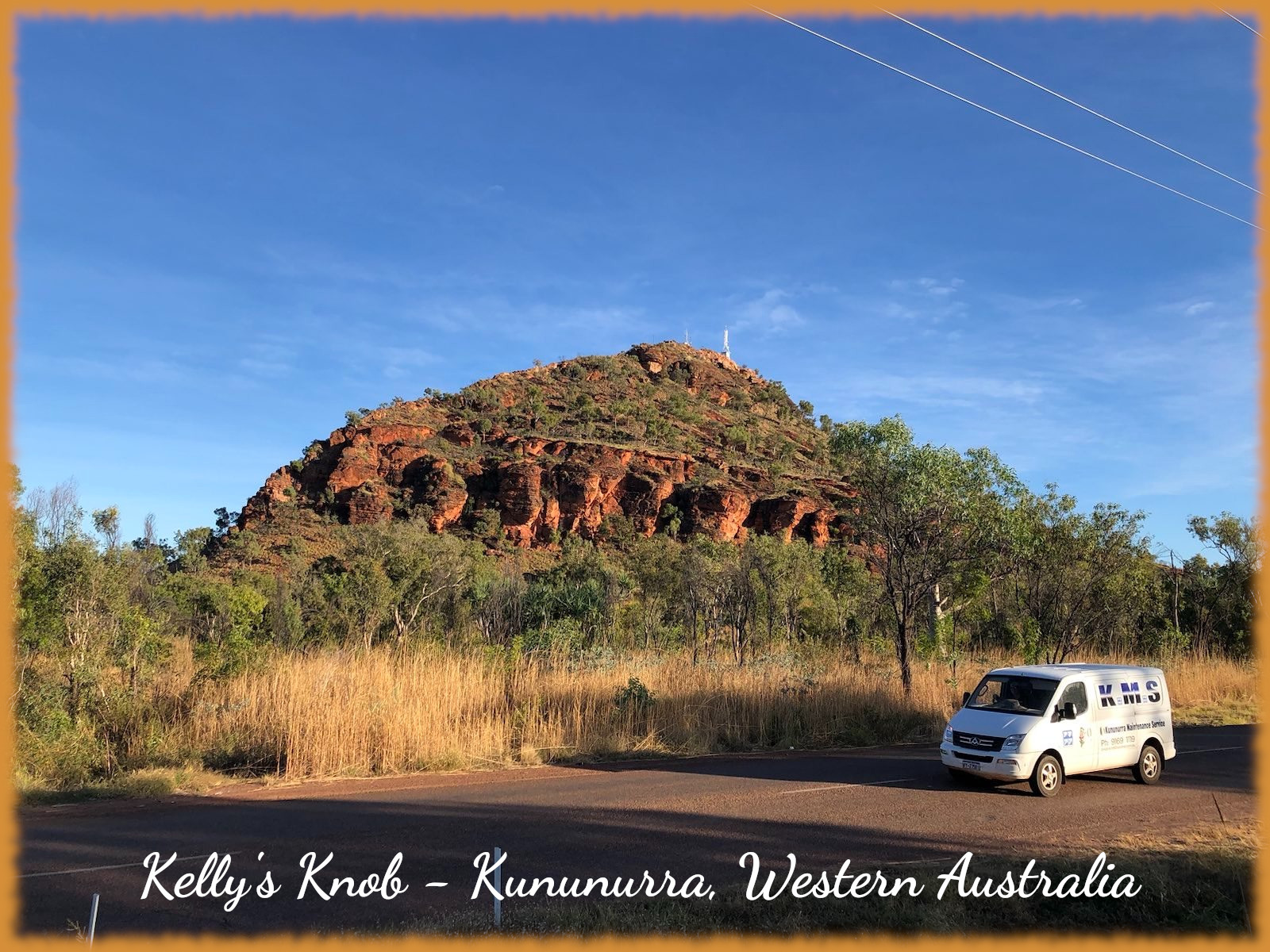
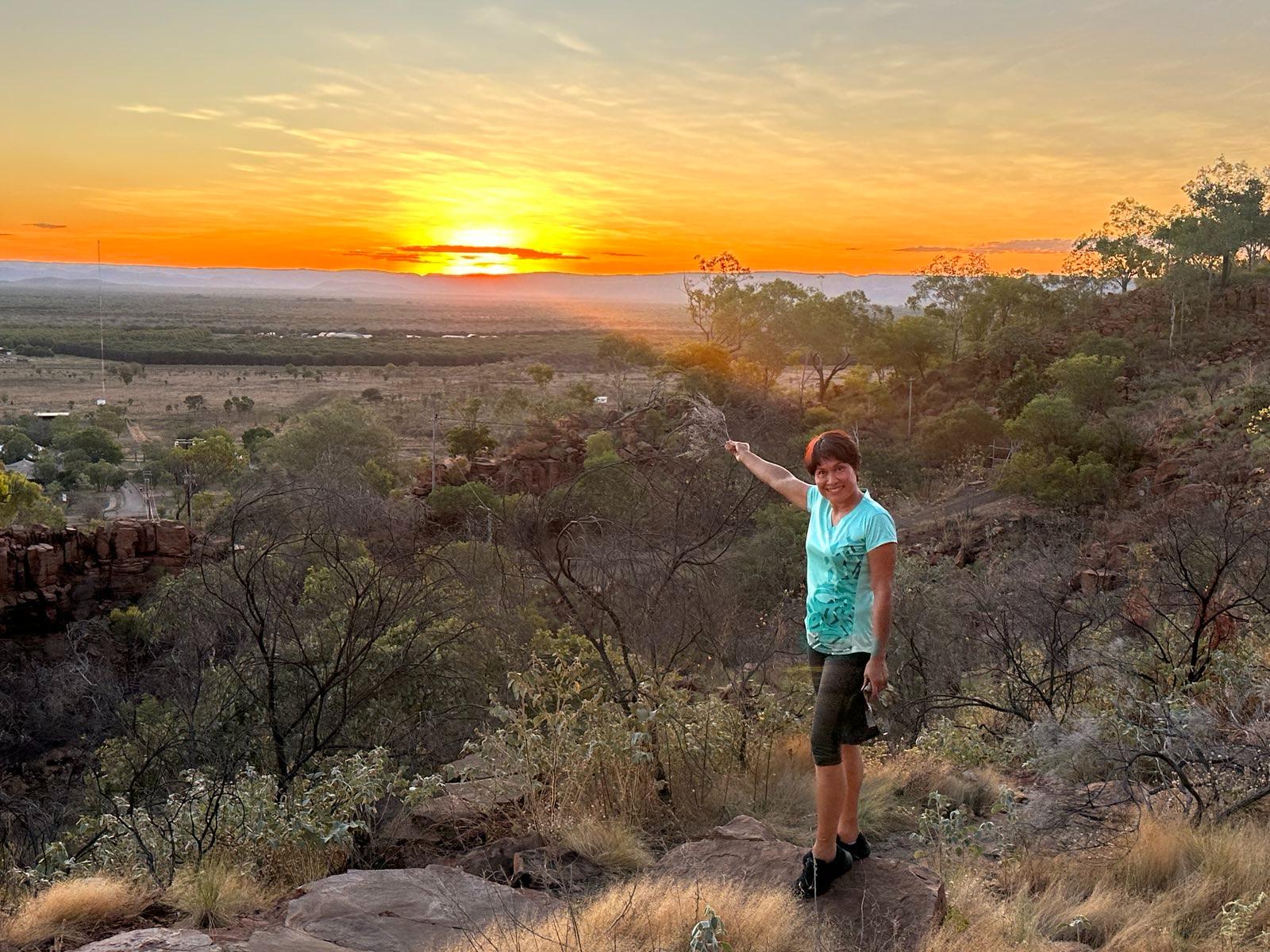
This ancient volcanic plug is a popular vantage point to witness breathtaking sunsets, painting the skies with vibrant hues.
Kununurra’s population of about 6000 almost doubles during the tourist season, as travelers explore what the town and region has to offer.
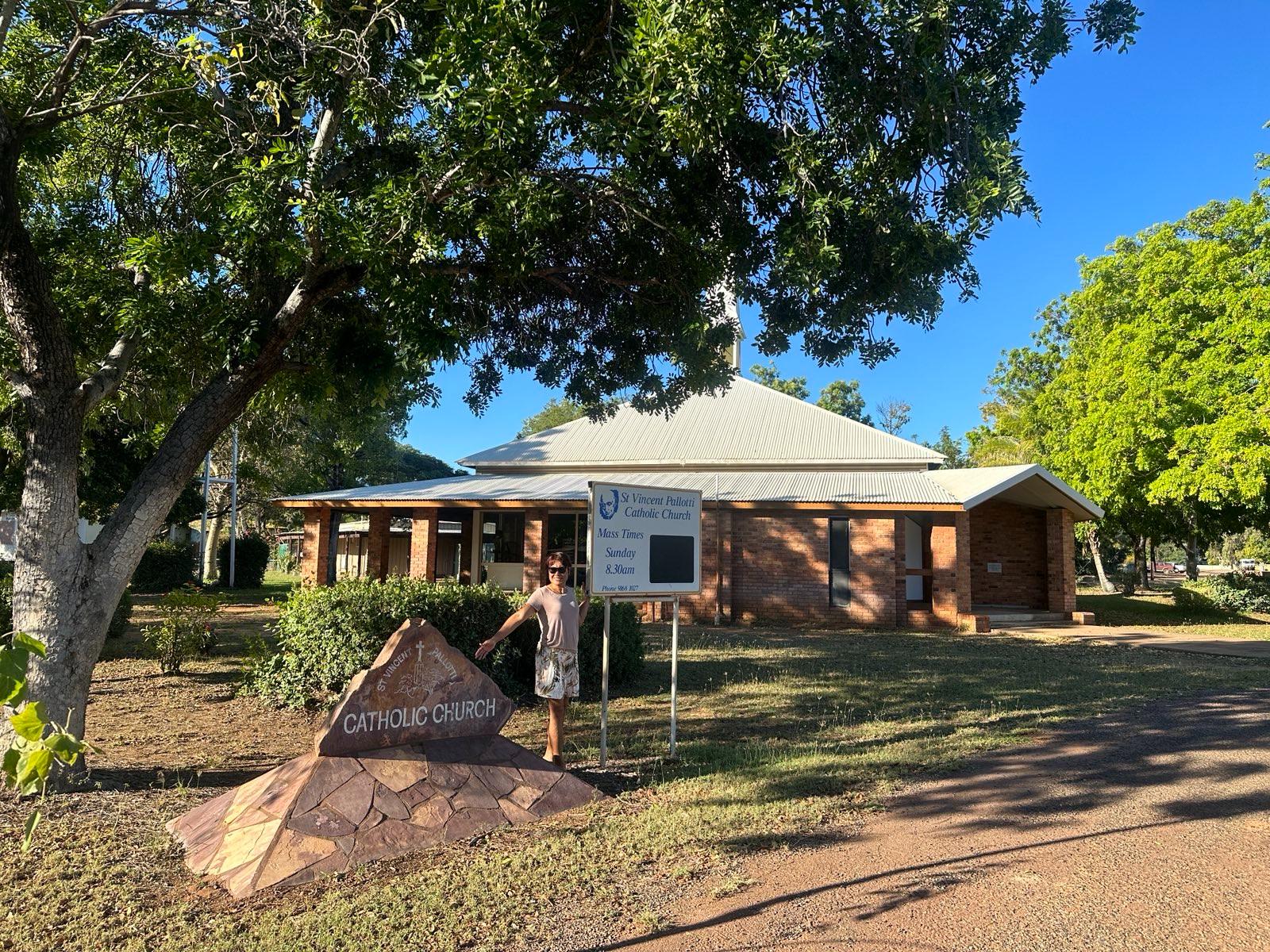
The Ord River
The Ord River is a lifeline for Kununurra, providing water for irrigation and sustaining the region’s agricultural industry. It meanders through the rugged terrain, creating a stunning backdrop for outdoor activities such as boating, fishing, and kayaking.
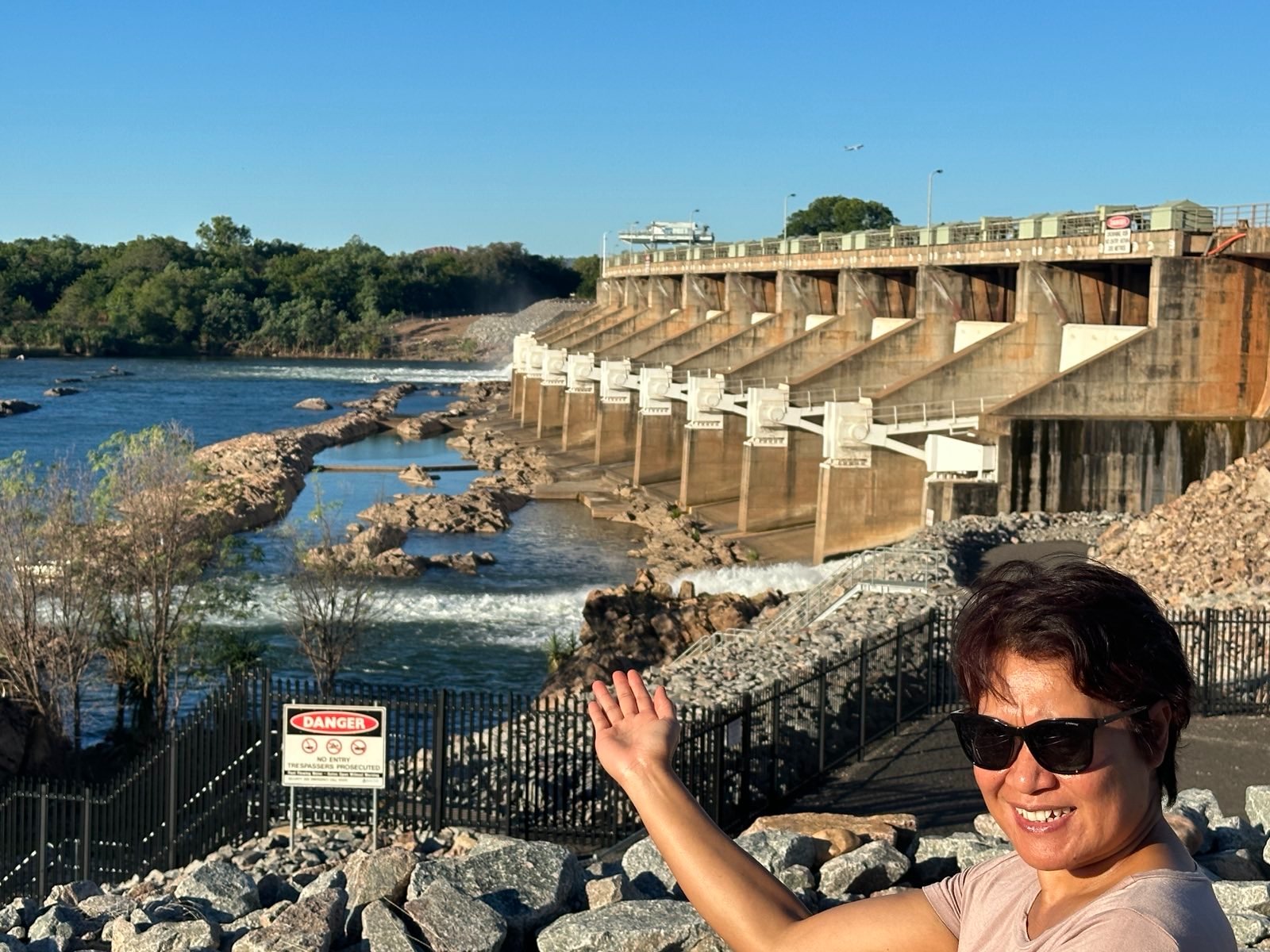
The Ord River Diversion Dam, an engineering marvel, regulates the flow of the Ord River and supports the local agricultural and irrigation industries.
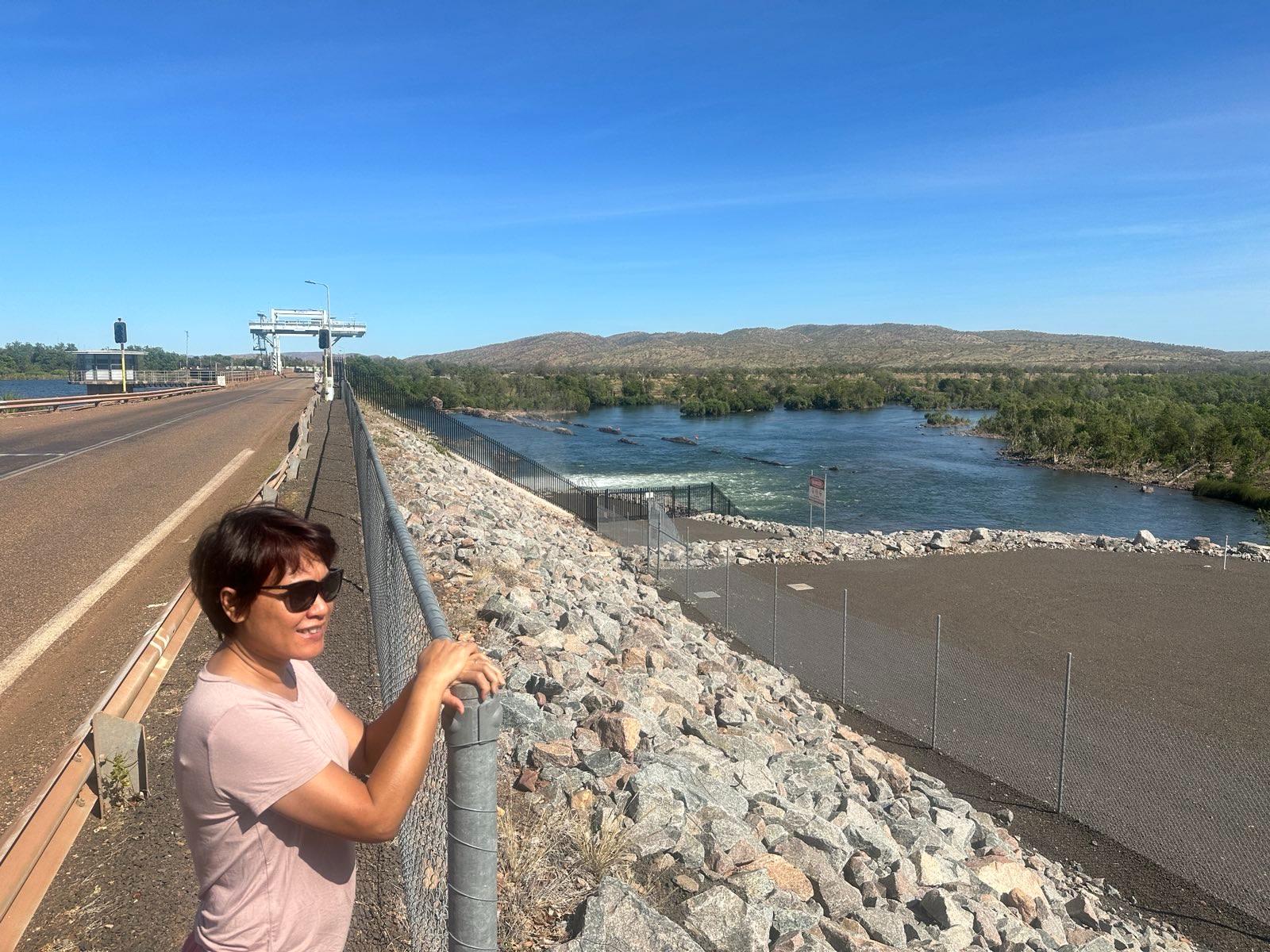
The Ord River also boasts a diverse ecosystem, home to a variety of wildlife, including freshwater crocodiles and numerous bird species. The enclosed reservoir between the Ord Diversion Dam and Ord River Dam (aka, the top dam) some fifty-five kilometers upstream is known as Lake Kununurra.

Mirima National Park
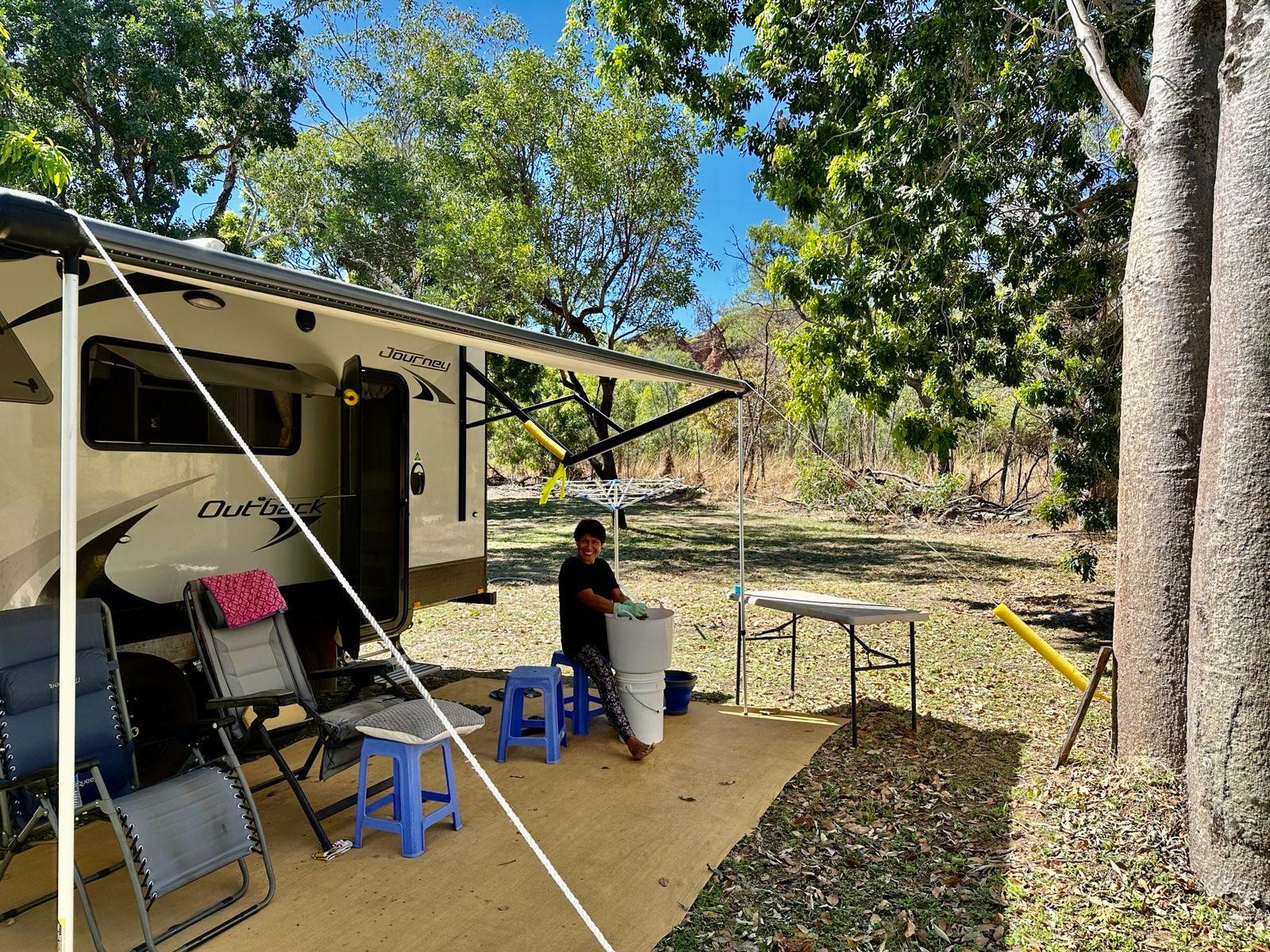
Literally one step from our caravan park, Mirima National Park, also known as the Hidden Valley National Park, is a hidden gem near Kununurra.
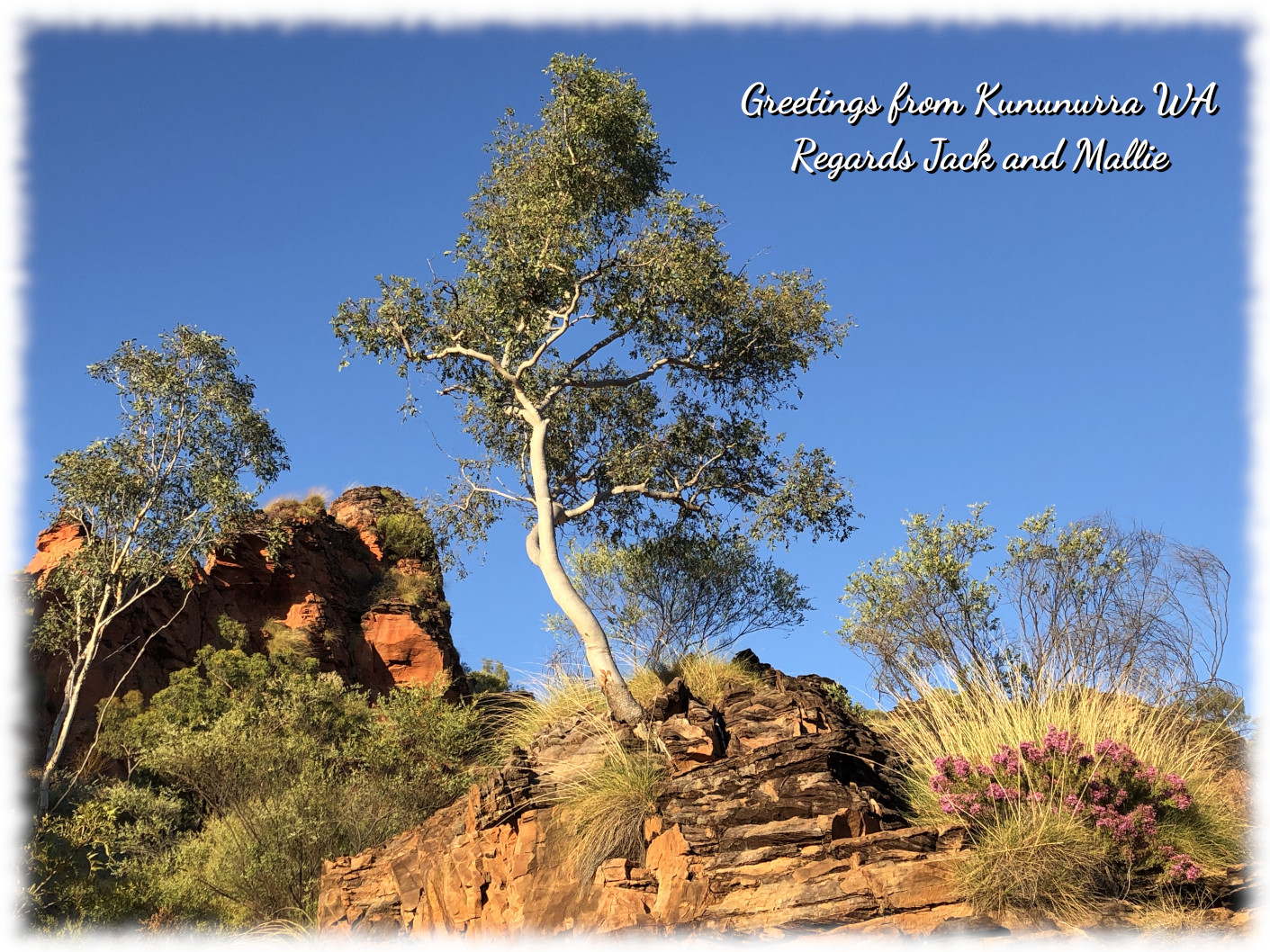
Mirima showcases stunning rock formations and unique flora.
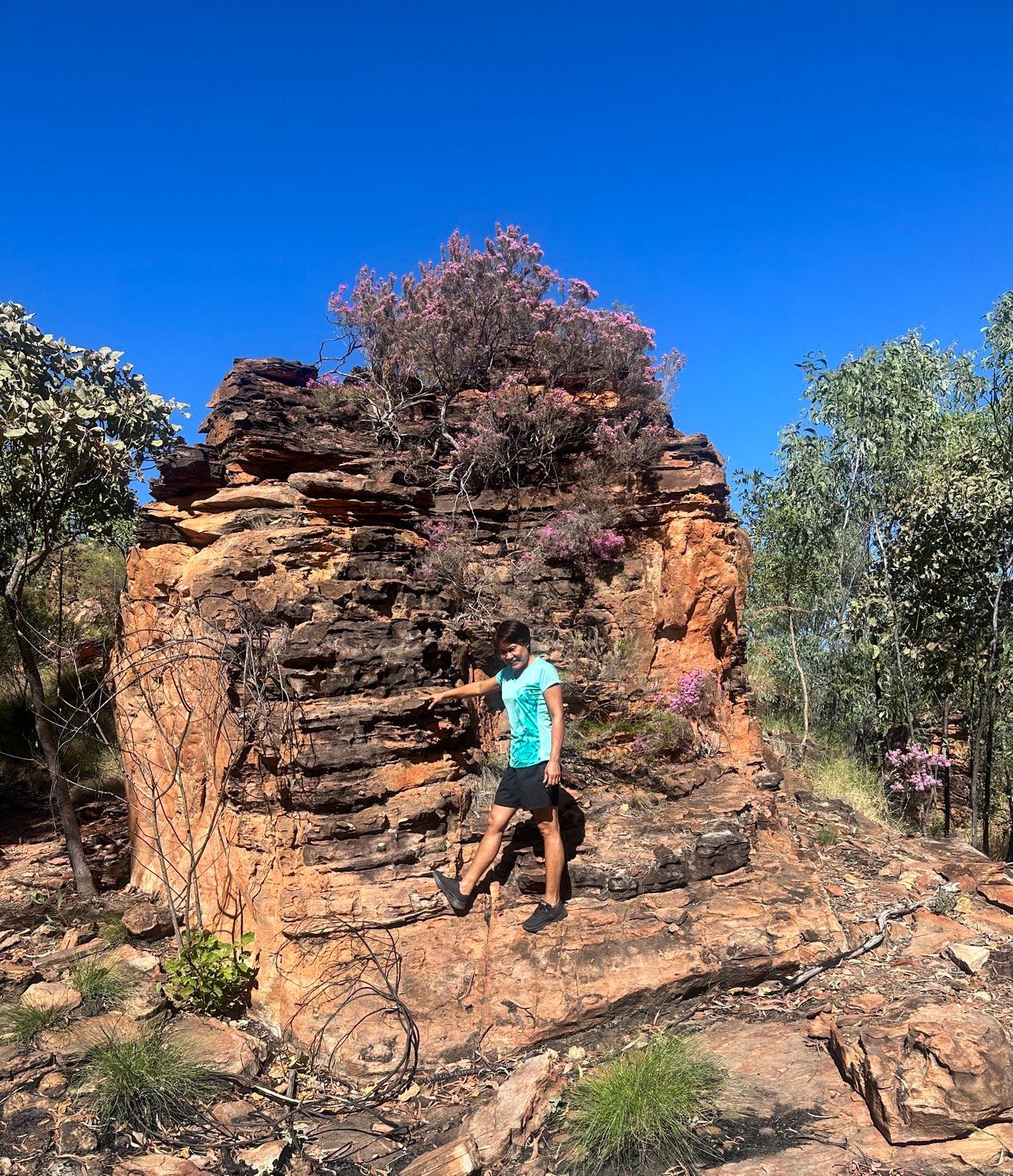
With its towering cliffs and picturesque walking trails, Mirima National Park offers a peaceful escape into the Kimberley’s ancient landscapes, providing a serene setting for bushwalking and wildlife spotting.
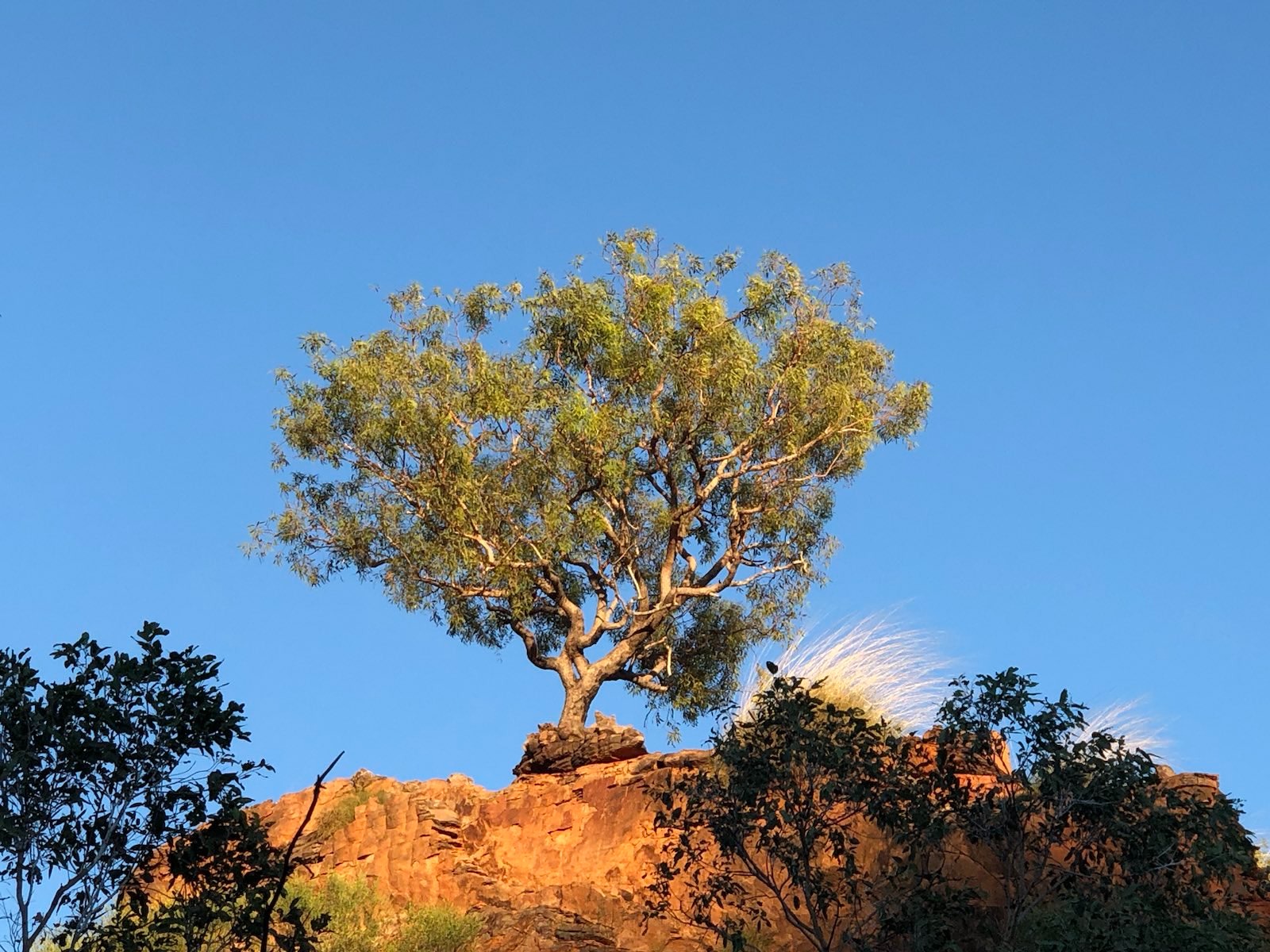
From our campsite we enjoyed an unhindered view of the Mirima National Park.
Zebra Rock
The world of rocks and minerals has many puzzling and interesting areas for exploration but only a few of them have caused as much bewilderment as a mysterious rock type found in the Kununurra district of Western Australia. The Rock is known as Zebra Rock.

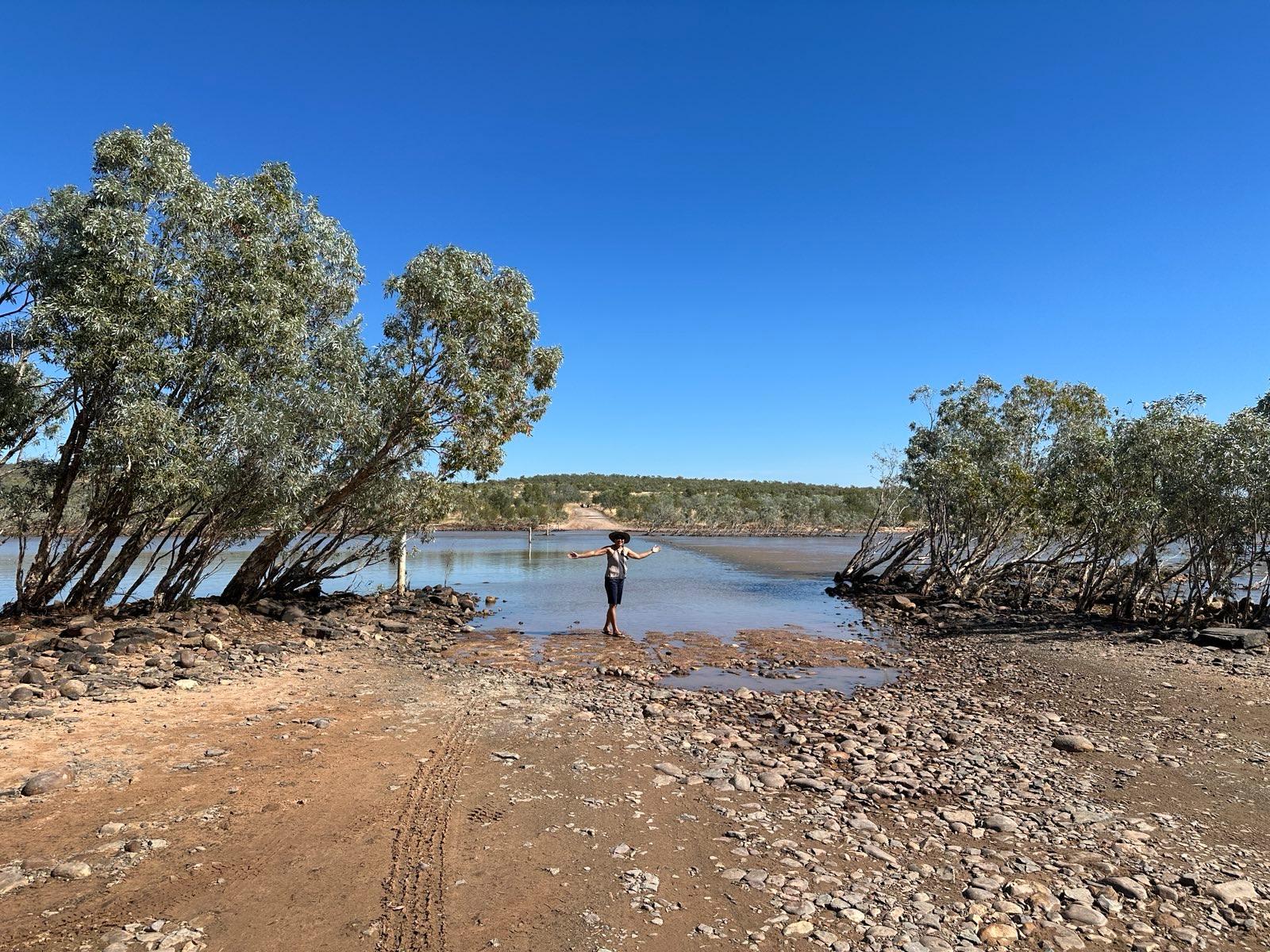
We did (a bit of) the Gibb River Road!
Renowned as the roughest road in Australia, the Gibb River Road is a 4WD dirt track stretching around 700km from just out of Derby through to Kununurra.
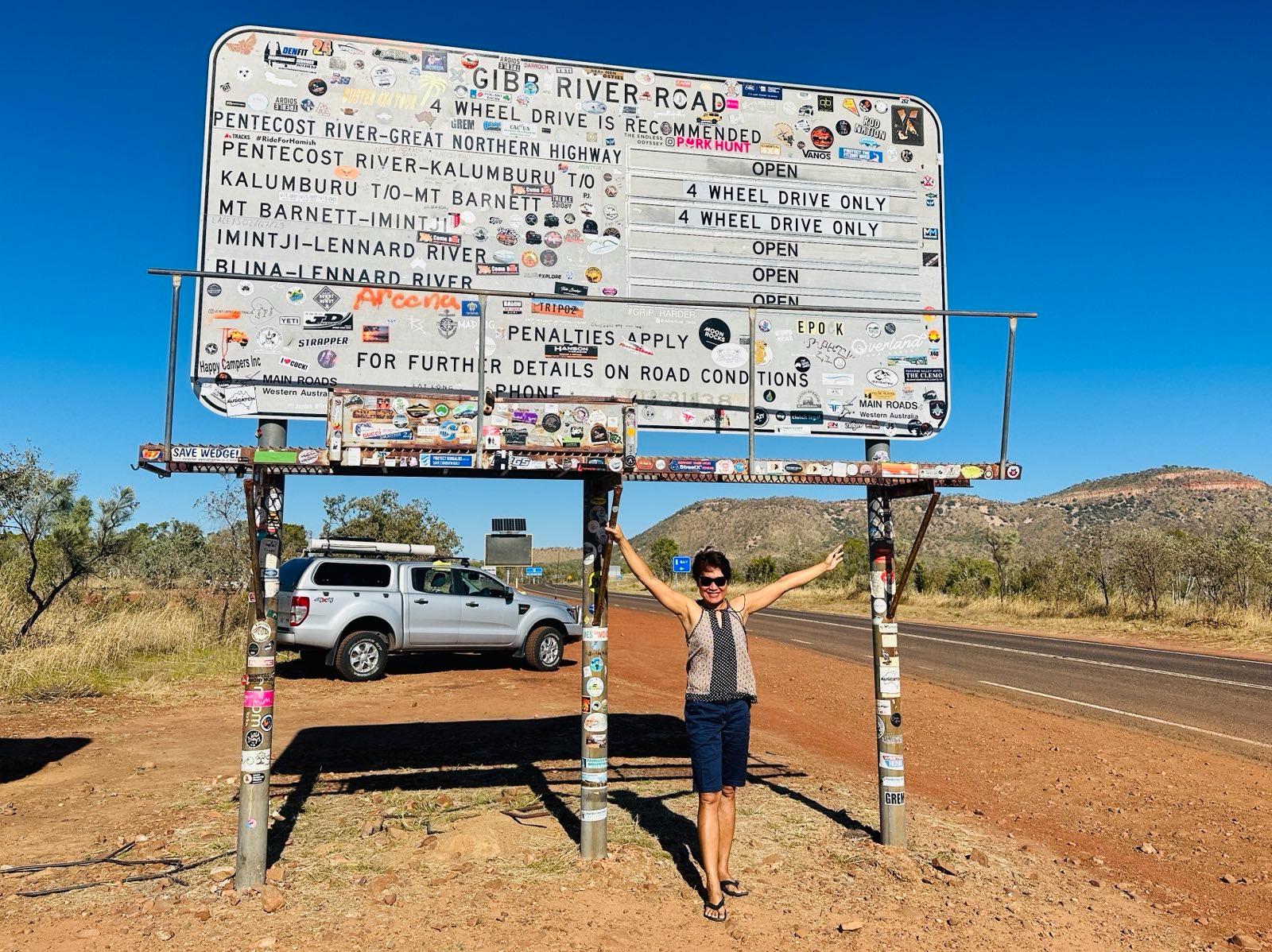
The track was originally constructed in 1948 to transport cattle to the surrounding stations. Nowadays thousands of tourist enjoying its spectacular scenery, waterholes, gorges, waterfalls, station stays, and remote campsites, all the while trying not to totally wreck their vehicles and caravans.
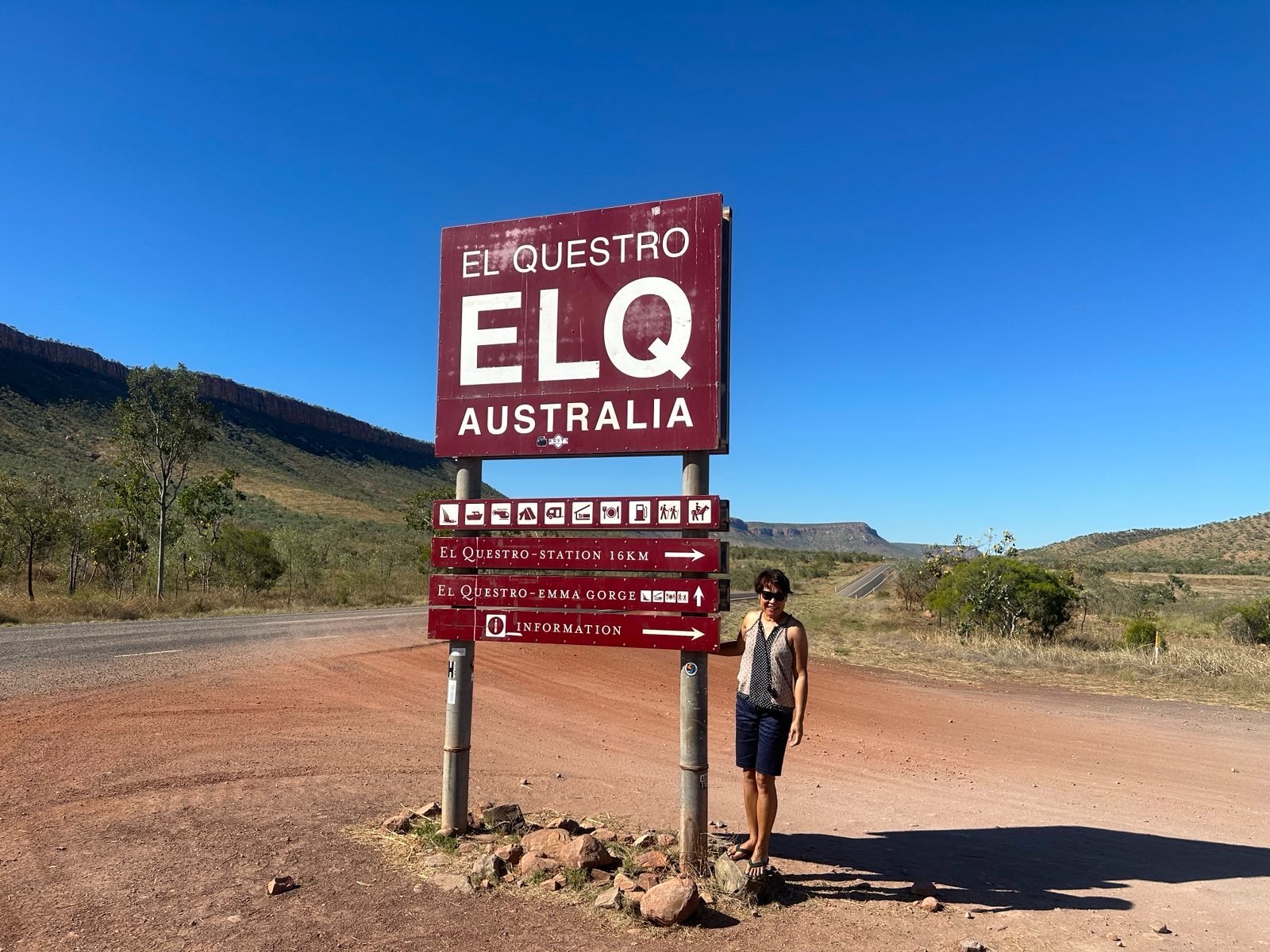
El Questro Station
El Questro Station, a sprawling wilderness sanctuary about an hour’s drive from Kununurra, spans vast landscapes, including rainforests, gorges, waterfalls, and thermal springs. This much hyped, busy and expensive destination provides an opportunity for adventurers to immerse themselves in the untamed beauty of the Kimberley region, after first negotiating sixteen kilometres of rough, dusty and corrugated road on the drive in from the sealed road.
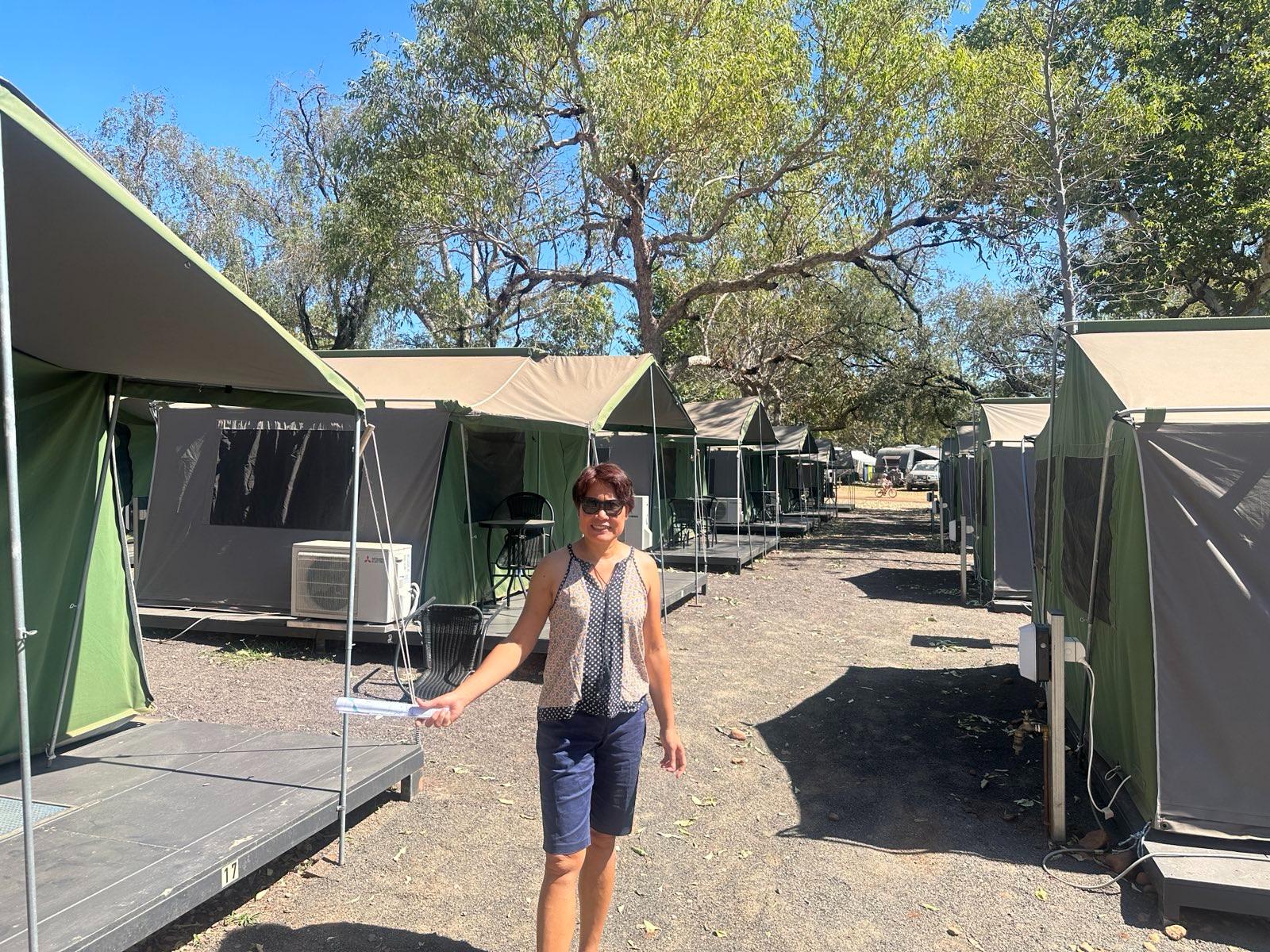
Activities such as four-wheel drive tours, scenic helicopter flights, and guided cruises along the Chamberlain Gorge allow visitors to explore the diverse ecosystems and experience the rugged wilderness firsthand. The resort, with it’s own camping and caravan park, also offers accommodation ranging from tents to upmarket homestead accommodation.

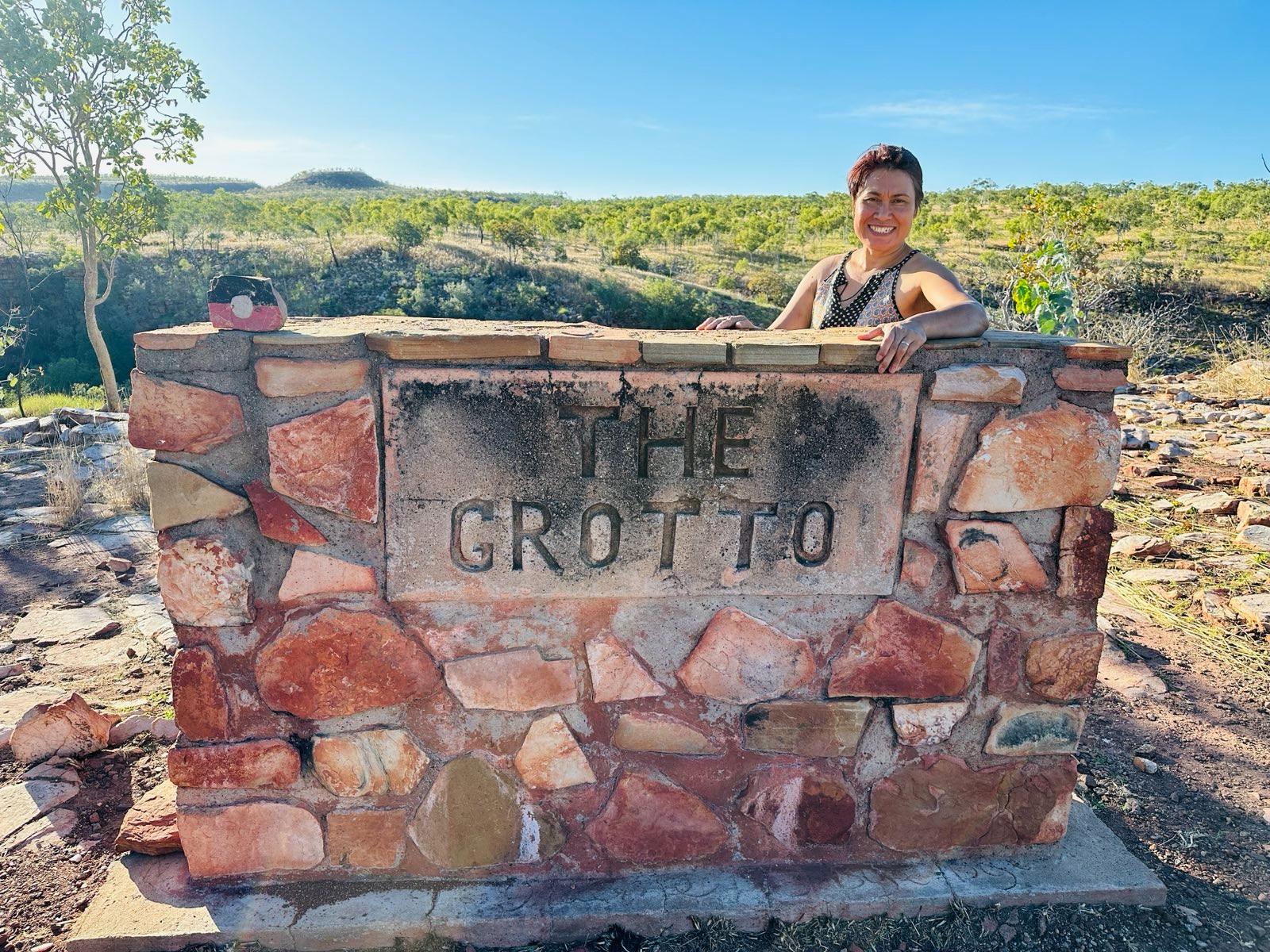
After enjoying lunch at the Station Steakhouse eatery, we were a little disappointed that the thermal pool, Zebedee Springs was closed for the afternoon. Determined to have a swim we left the maddening crowd at El Questro and drove a little further towards Wyndham to “The Grotto”.
The Grotto
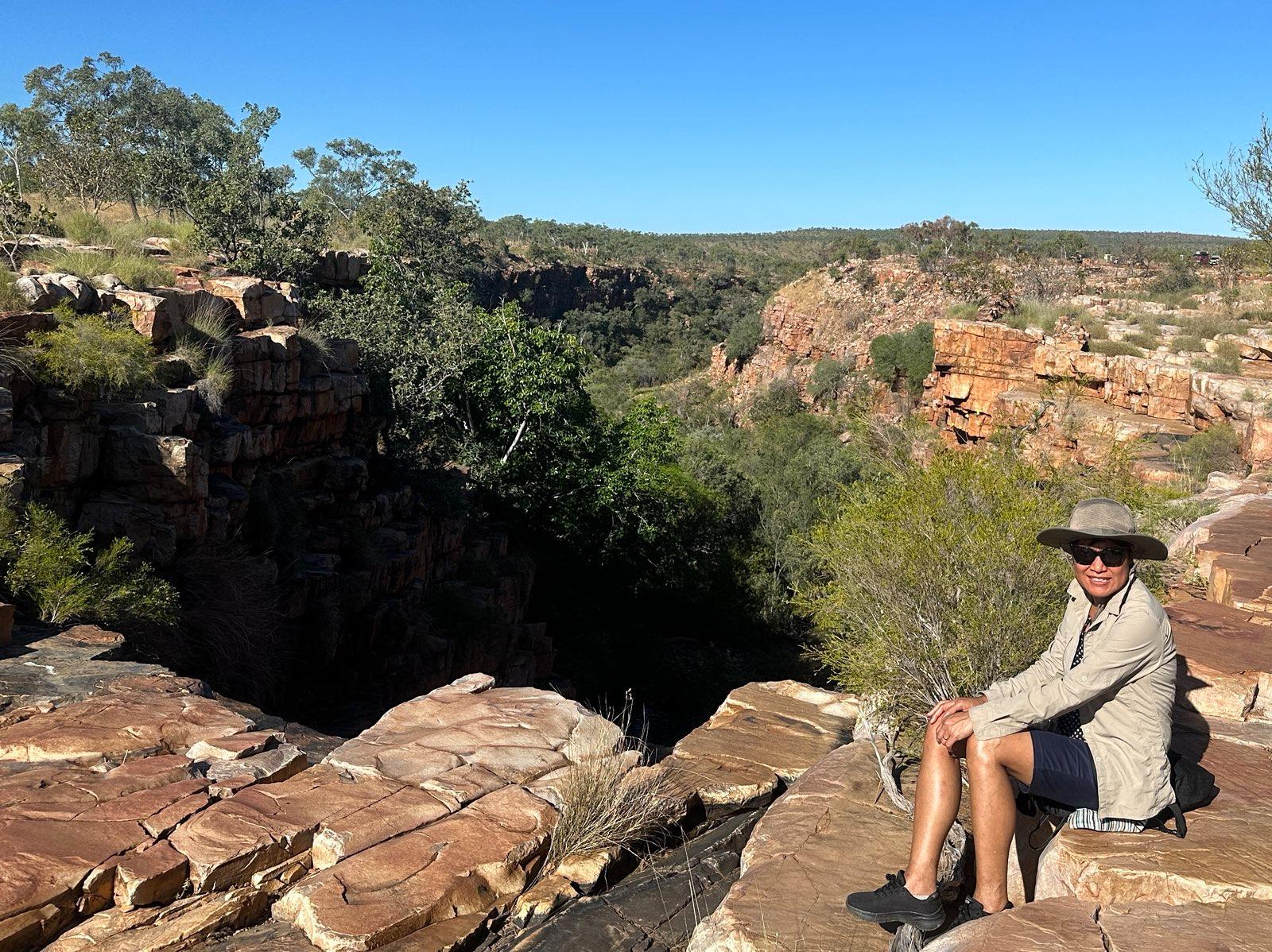
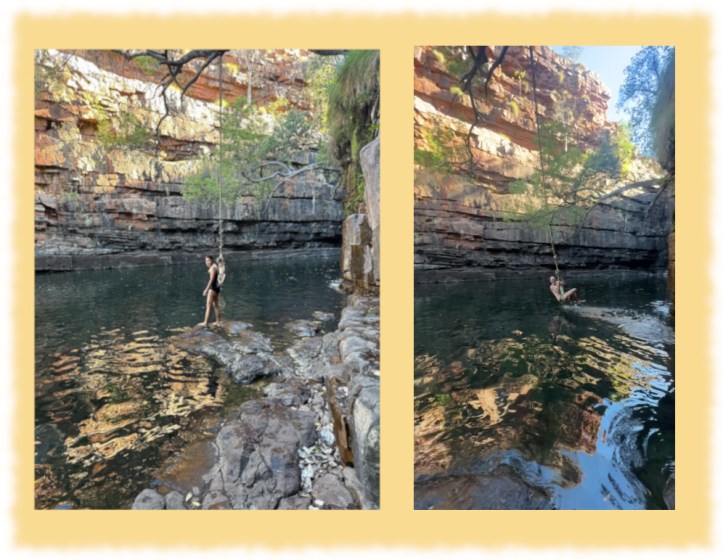
The Grotto is one of many small canyons located close to Kununurra. As a small natural water hole, with a depth of over 100 feet, it is ideal for swimming or relaxing.
Not for the faint hearted, the climb down to the gorge is on a rough concrete staircase of about one hundred and forty steps.
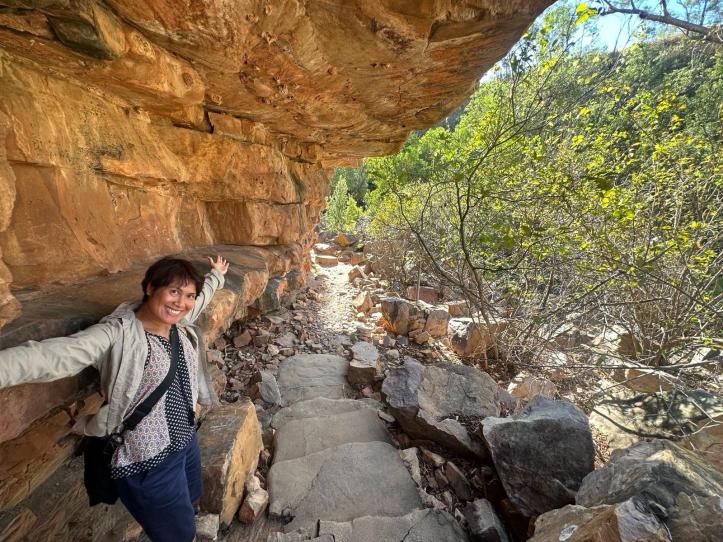
Spectacular during the wet season when the waterfall is running, the cliff face is about fifty metres high.
And finally, “the kids” had their swim!
 Jack and Mallie - All around Australia!