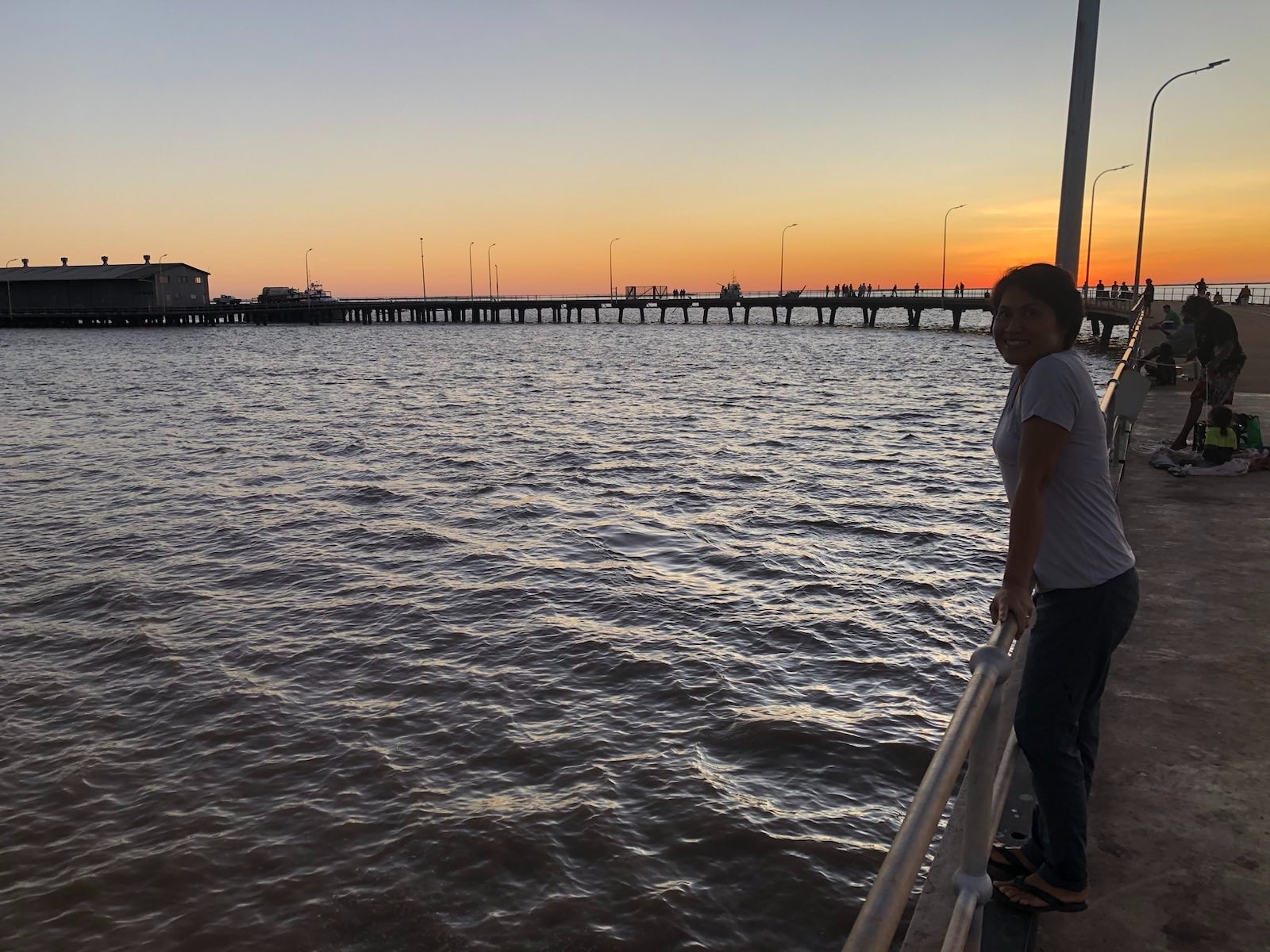
A tidy and well-presented town located on King Sound, Derby has a population of approximately 4000, of whom about half are of Aboriginal and Torres Strait Islander descent. King Sound is a large gulf expanding from the mouth of the Fitzroy River, running into the Indian Ocean.
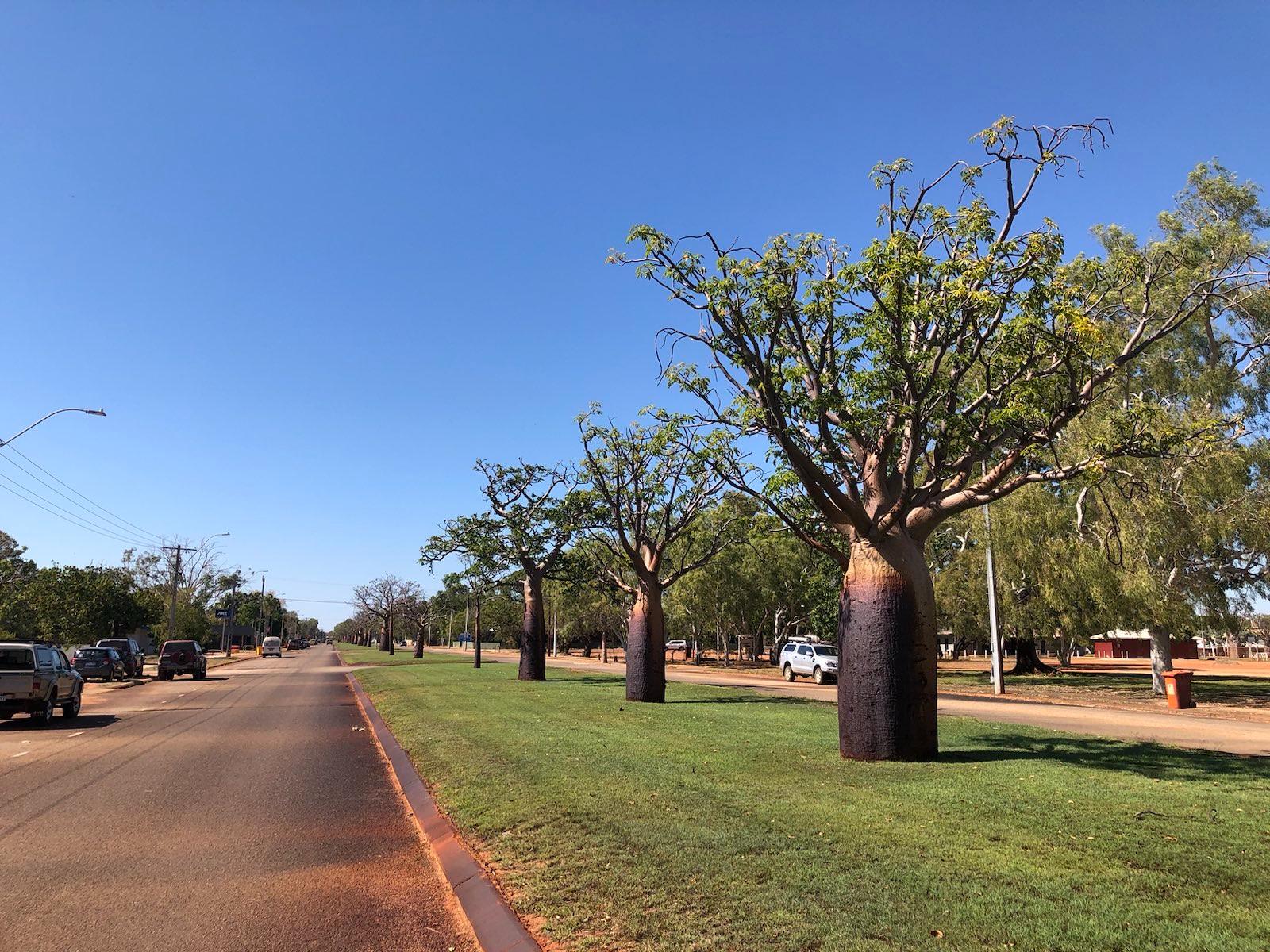
The main street of Derby runs though the town right down to the jetty.
First established around 1880 as a port to serve the West Kimberley pastoralist and the gold rush at Halls Creek, Derby was a harsh and wild environment, with ongoing hostilities between the new settlers and the aboriginal people. Around this time, measles decimated the aborigines and new settlers and the average age at death was only twenty-seven years. The first jetty was completed in 1885.

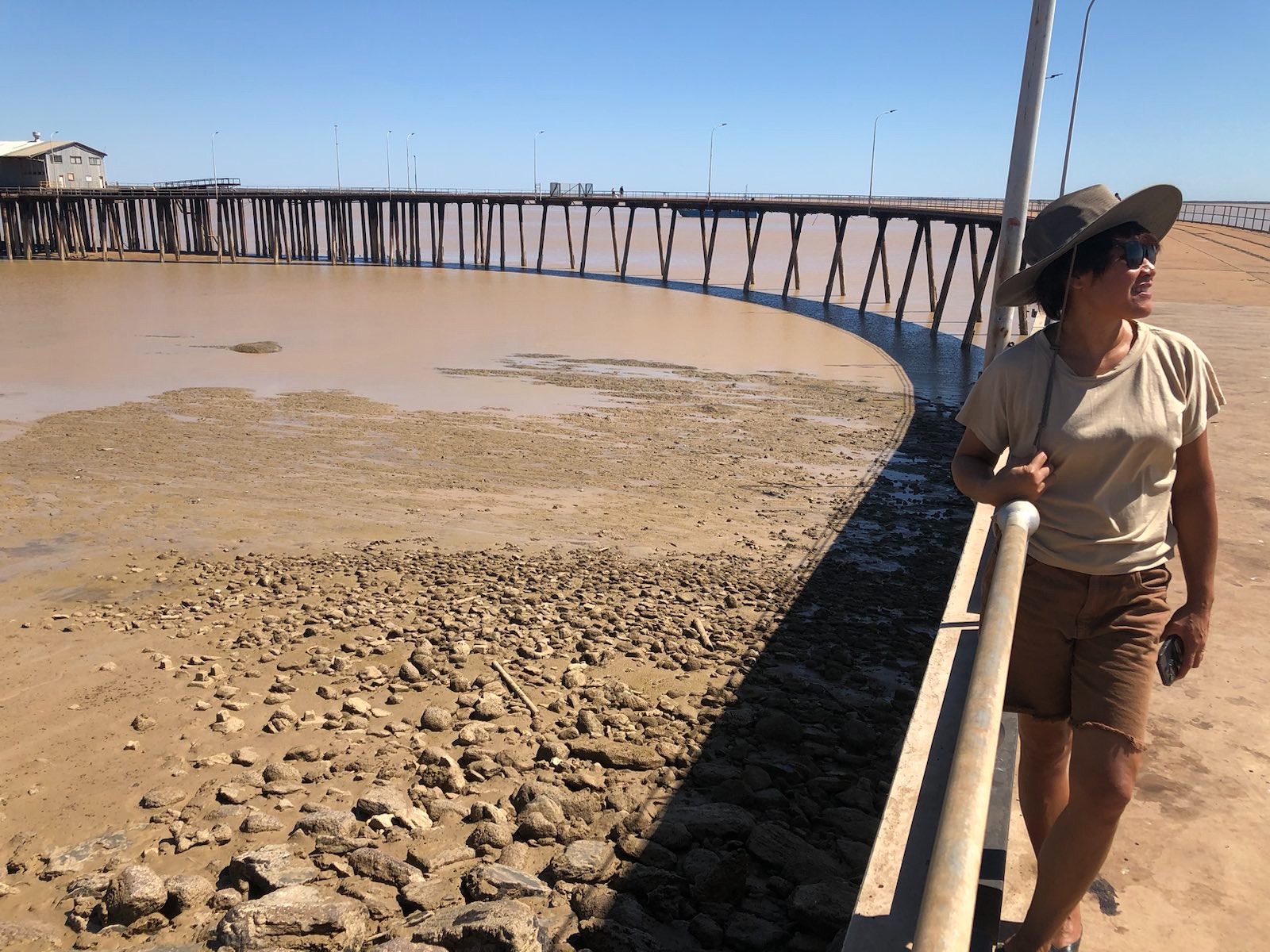
Derby has the highest tides in Australia, with the differential between low and high tide reaching over eleven metres (39 feet).
Back in 1883, the wool clip from Yeeda Station, awaiting shipment was swept away by a tidal wave caused by the Krakatoa volcanic explosion in Indonesia.
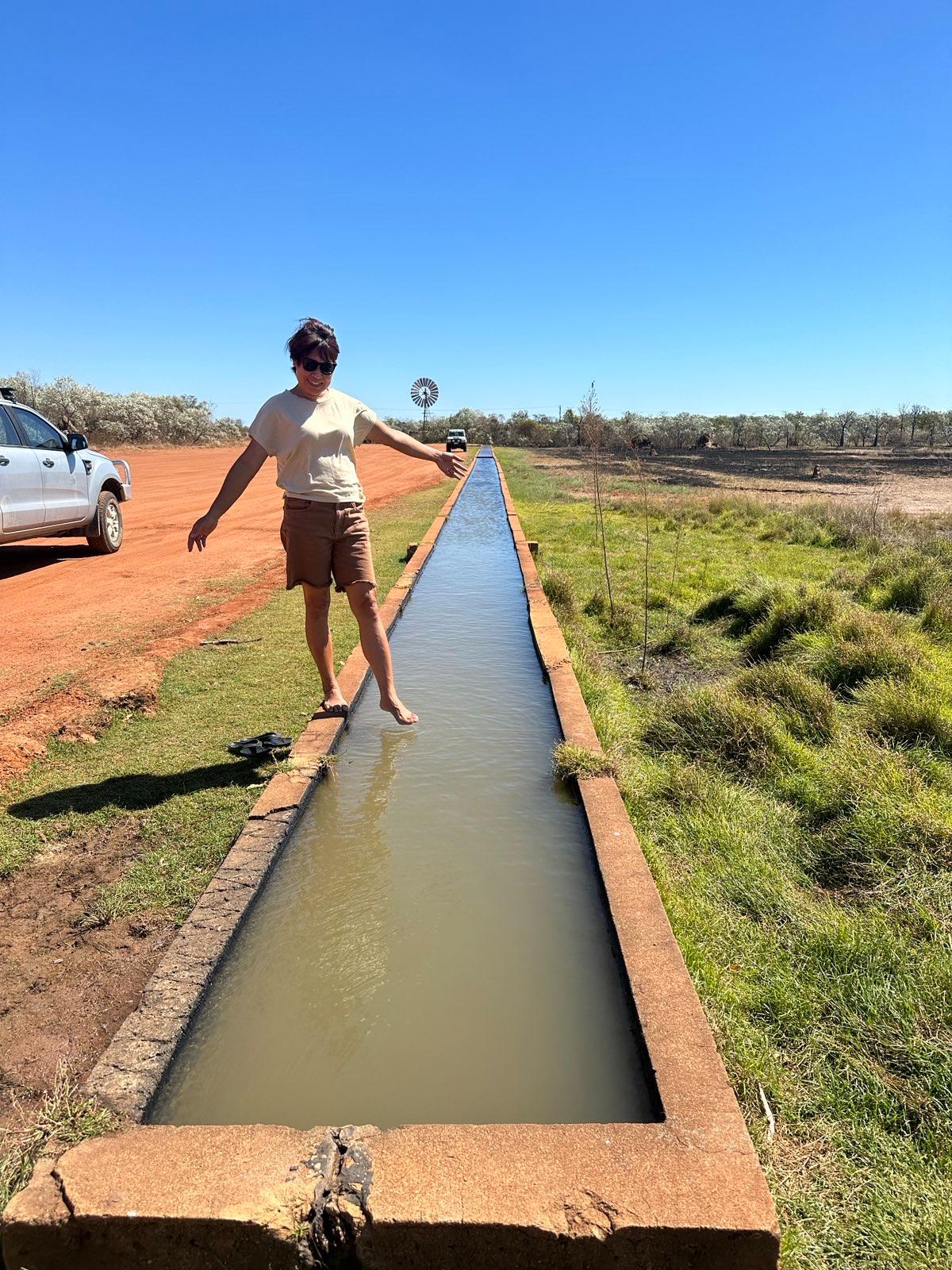
Nowadays, Derby’s economy is supported by the mining, pastoral and tourism industries. Government and administrative functions including the RAAF Curtin Airbase also contribute towards the prosperity of the town. In early days when the cattle industry was the mainstay of the economy, large mobs were driven in from the stations for export. Cattle would first camp at Myall’s Bore on the outskirts of town. The Myall’s Bore trough was initially supplied from a natural spring, then later artesian water was pumped up by windmill.
After camping at Myall’s Bore and whilst awaiting shipment, cattle were moved onto the One Mile Dinner Camp closer to the port area.
The final leg to the port was through the mudflats which surround Derby on three sides. No easy feat during the wet season. Many of stockmen were aboriginals who received clothes, food and tobacco but no wages. After a big droving job, they were sometimes treated with new clothes, biscuit and lollies by the manager.

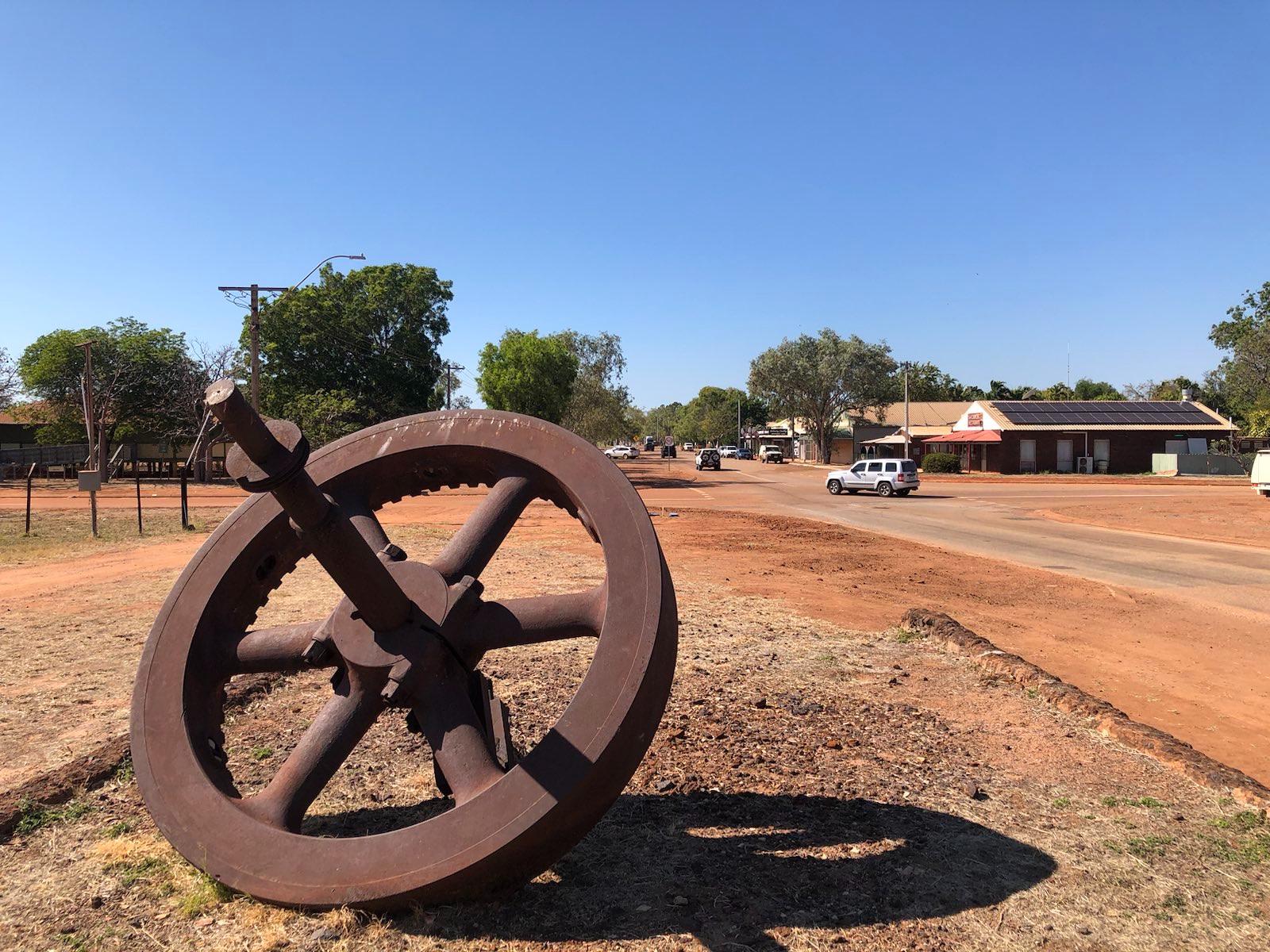
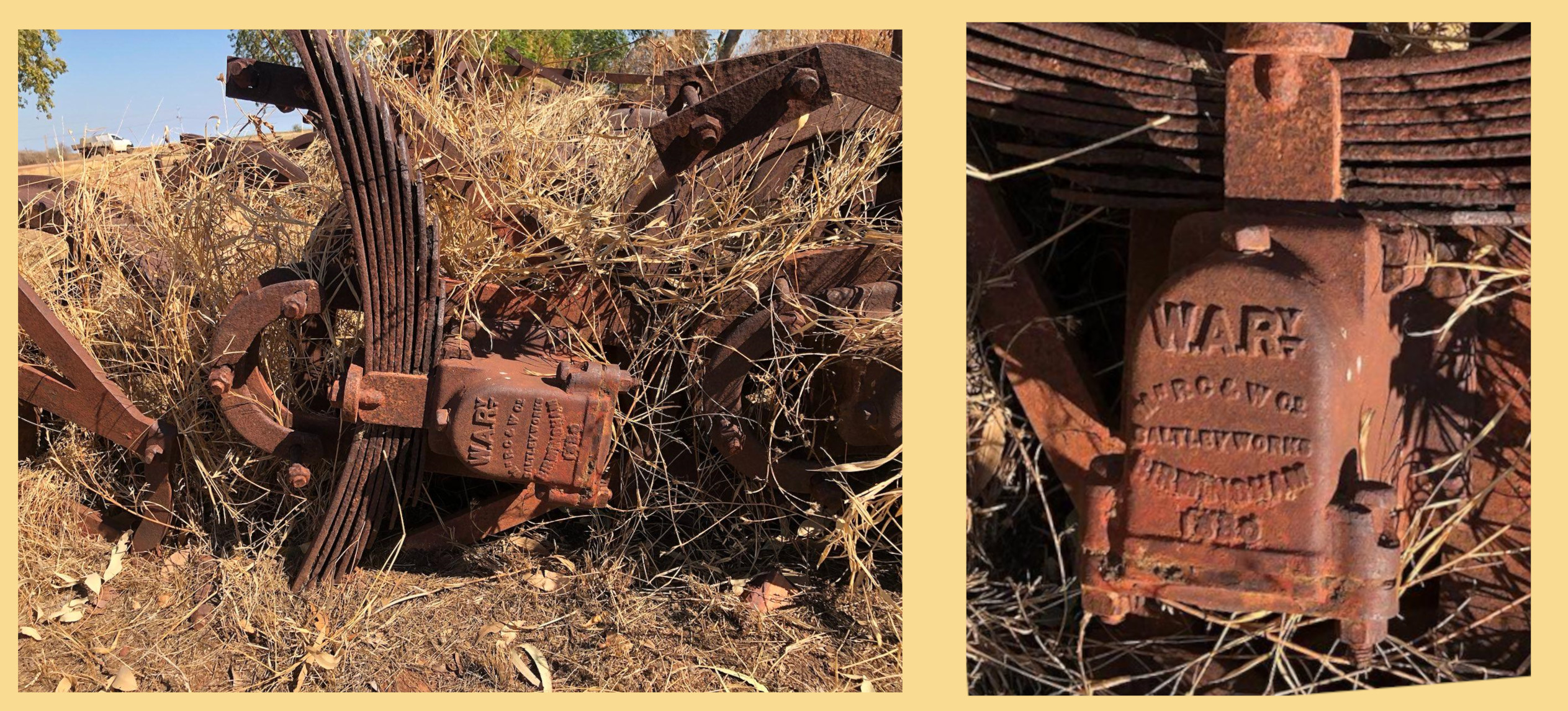
In 1897 a horse drawn tramway connected the town to the port. Made in 1880, what appears to be the discarded remains of the tram lay beside Jetty Road. As a Peaky Blinders fan, it was totally necessary to include this!
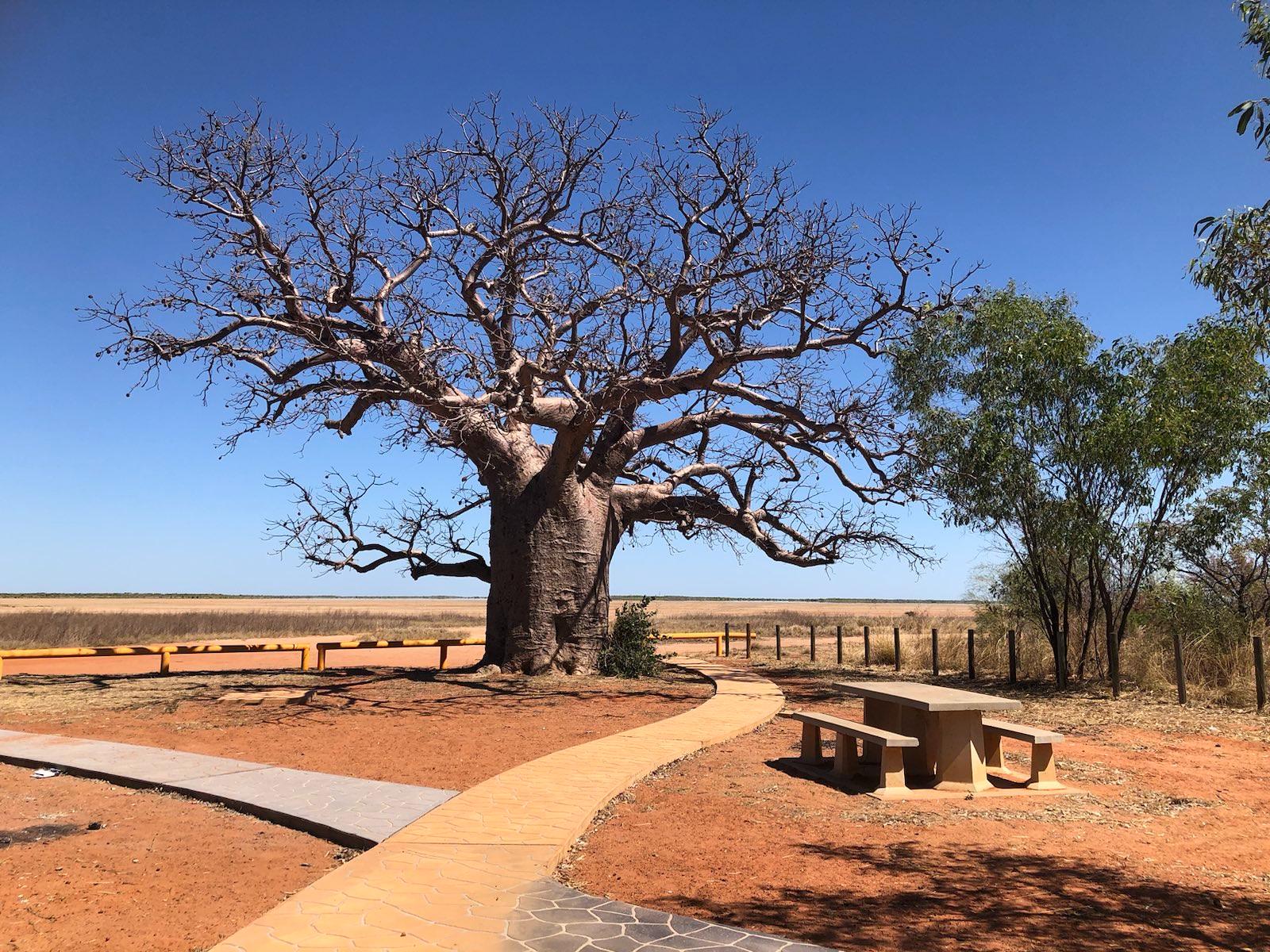
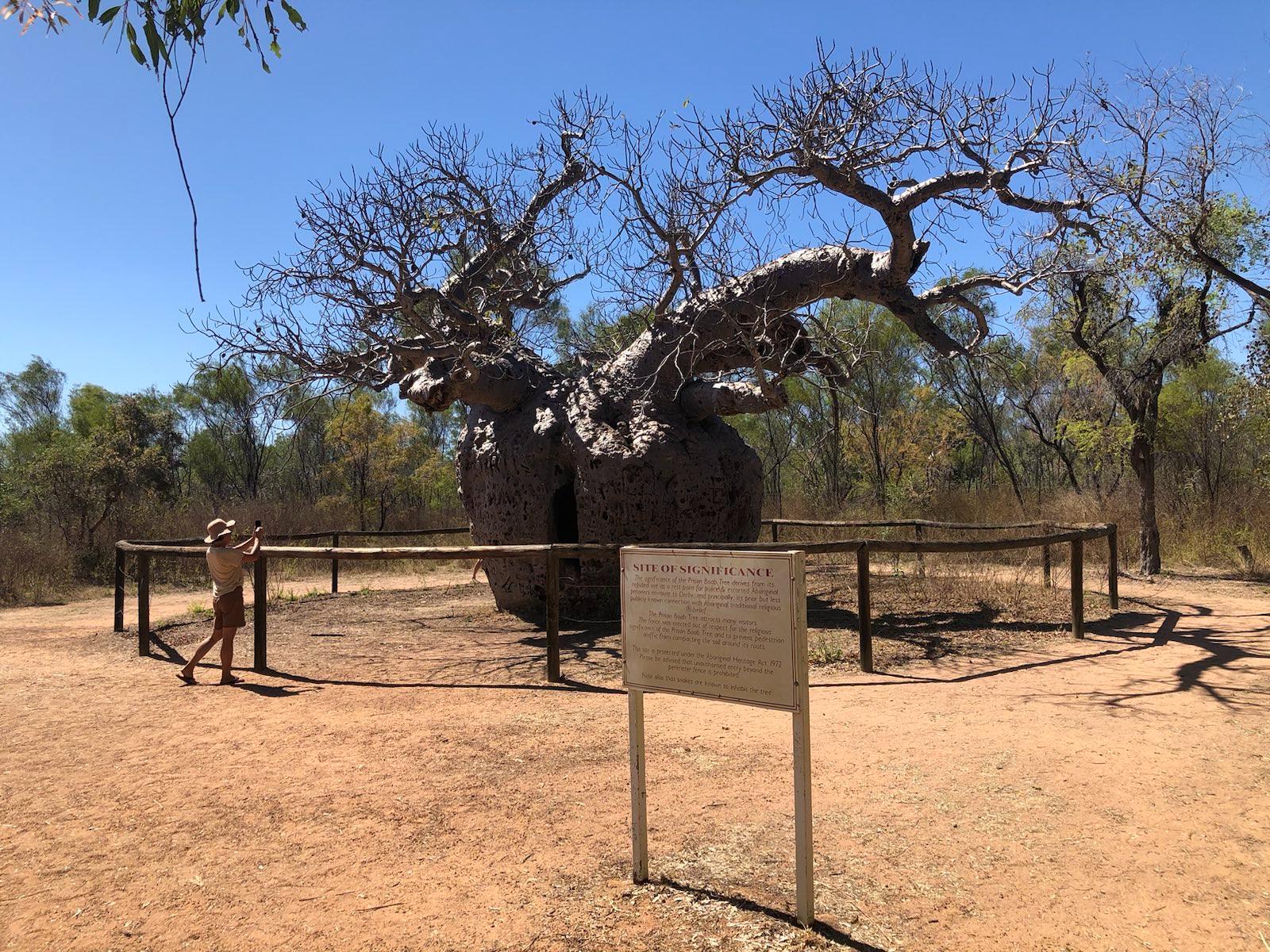
Unlike Derby’s famous Prison Tree, it is not well known that the Derby Leprosarium on the outskirts of the town helped to contain an epidemic of leprosy from the 1930s to the 1960s.
In recent years, the Sculptures on the Marsh project, has seen the Derby community adorned the mudflats with an array of striking silhouttes.
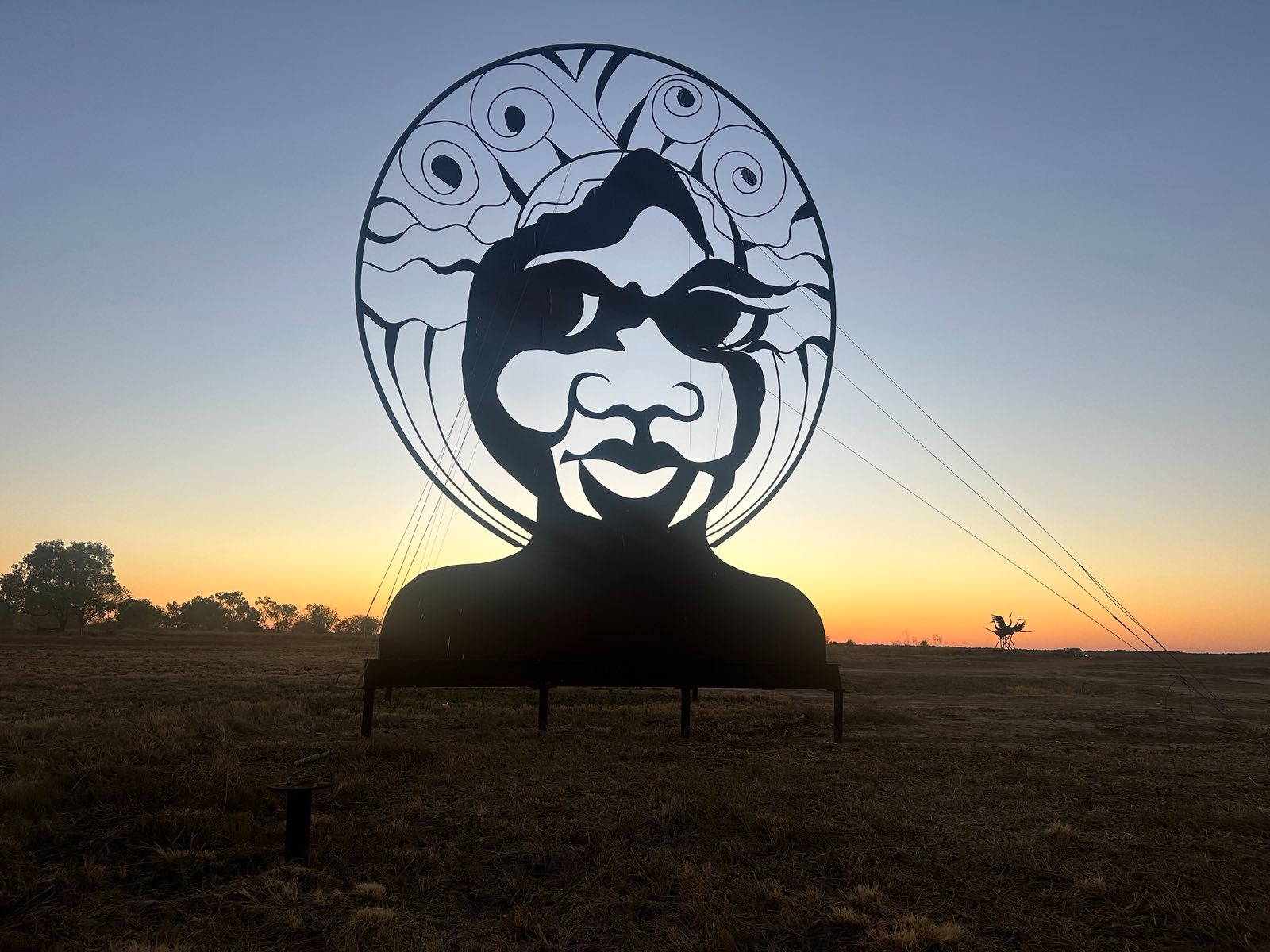
Almost a goddess, here’s Mallie with another sculpture.
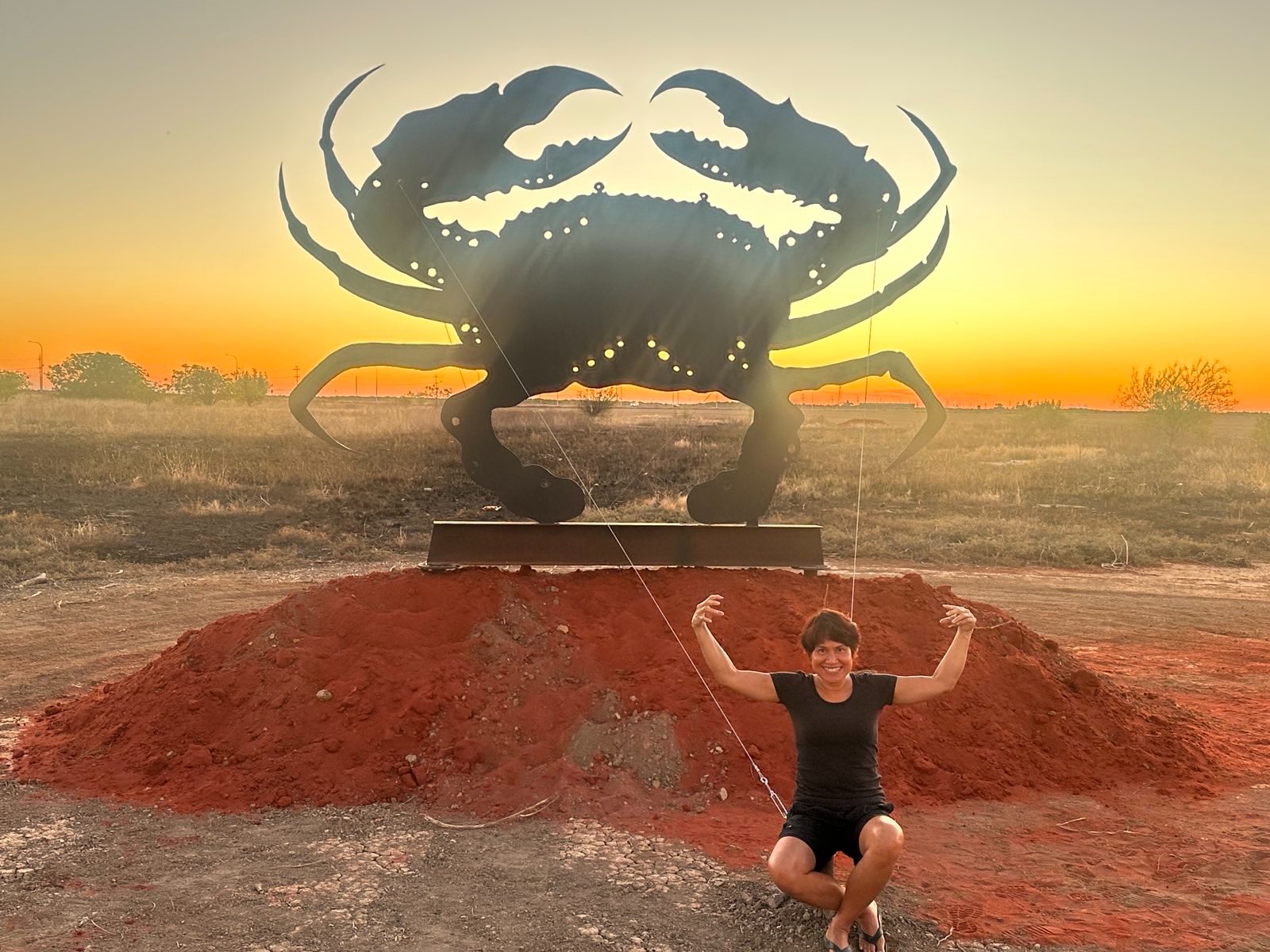
 Jack and Mallie - All around Australia!
beautiful man
LikeLike
Derby is indeed a very interesting town!
LikeLike