Karratha
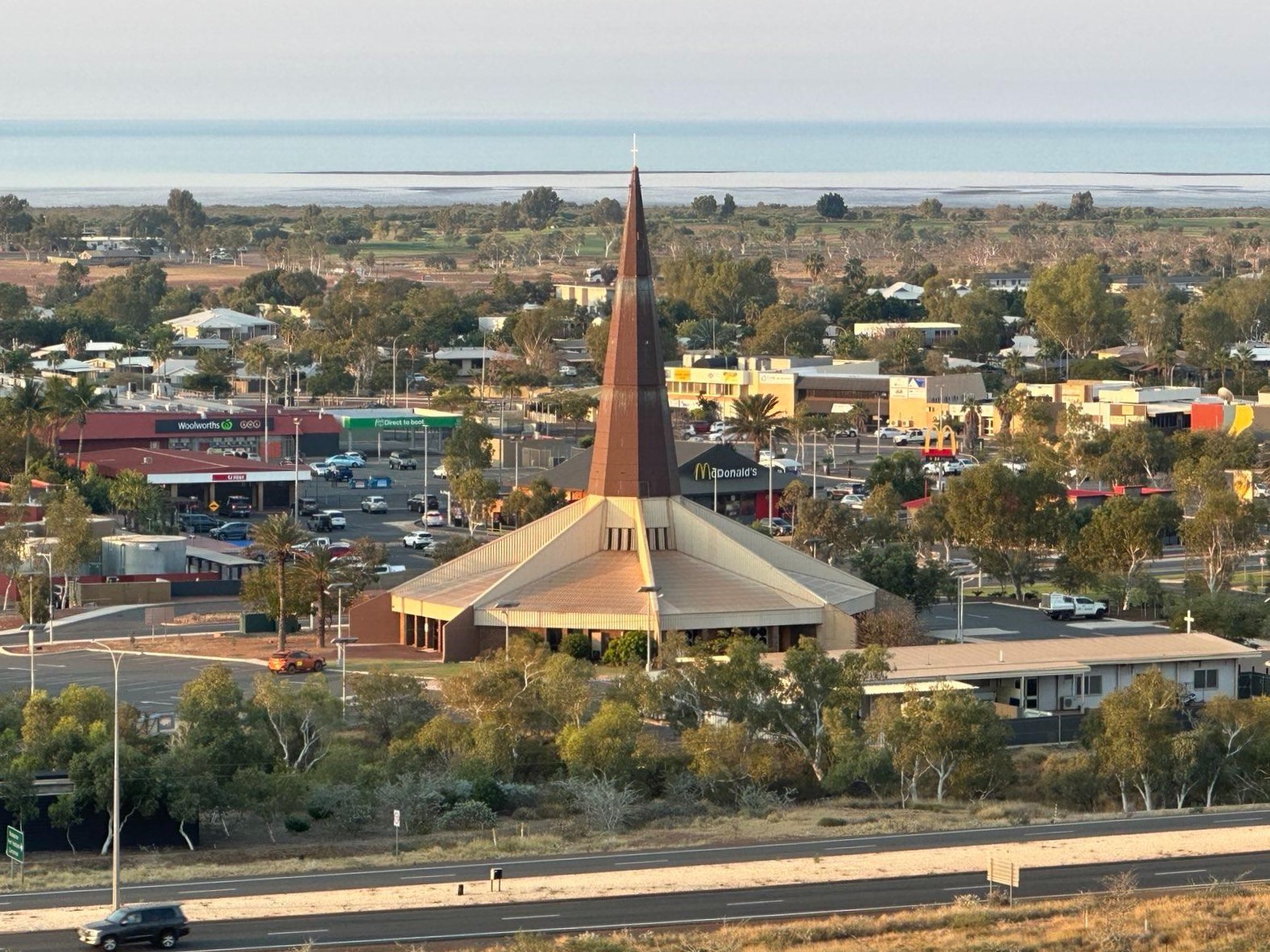
Karratha, with a population of about 20,000 is a coastal city in Western Australia’s Pilbara region established in the mid 1960s to accommodate the workforce of Hamersley Iron. Now home to a diverse population of people from all over Australia and the world, Karratha has a warm climate, with average temperatures ranging from 20 to 30 degrees Celsius.
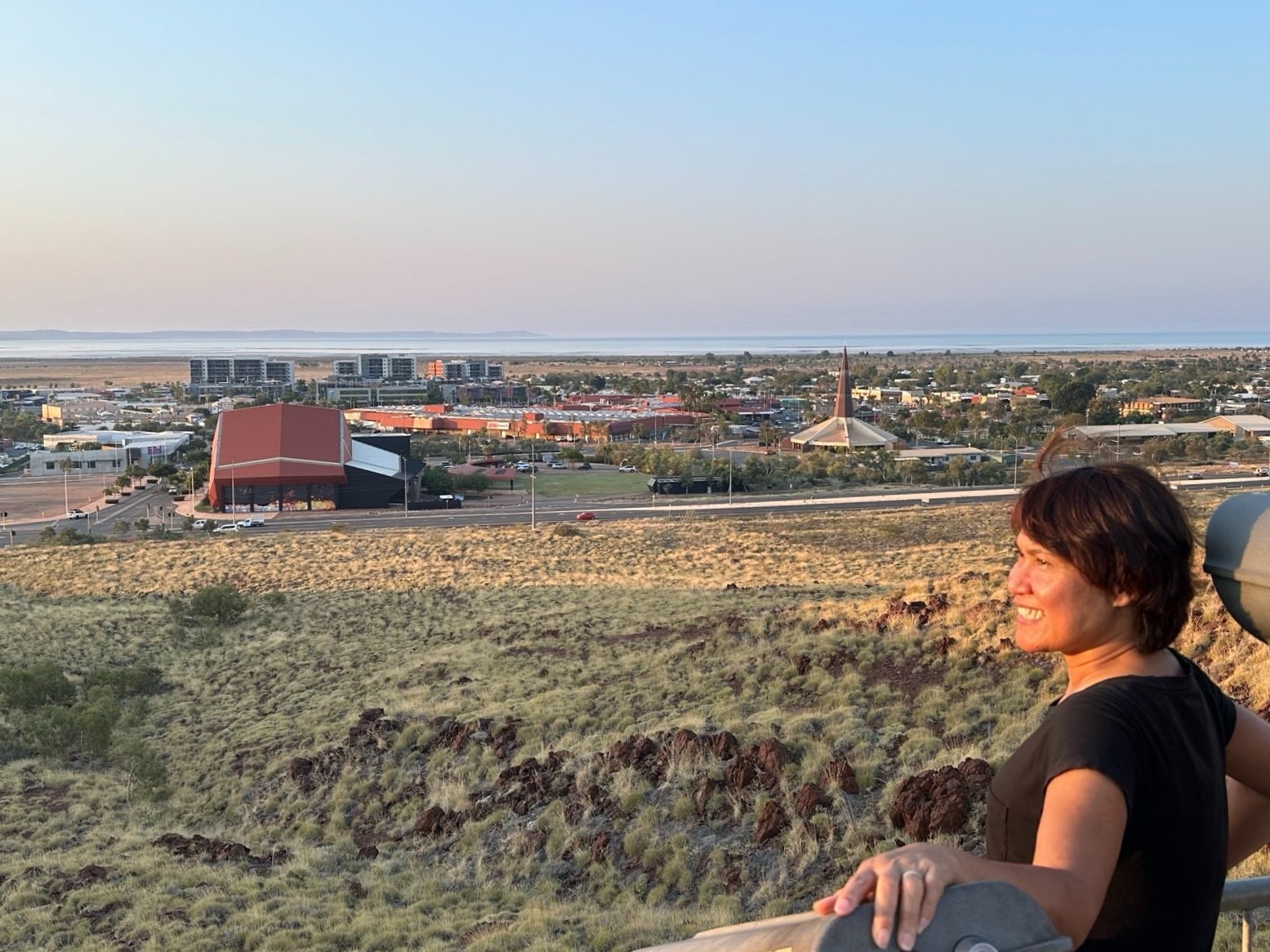
Built around Nichol Bay, Karratha is a major mining town supporting the mining of iron ore, gold and diamonds throughout the adjacent Pilbara region. Karratha is also home to the Karratha Gas Works (part of the huge Northwest Shelf Venture) and the Dampier Salt Works, the world’s largest salt production facility.
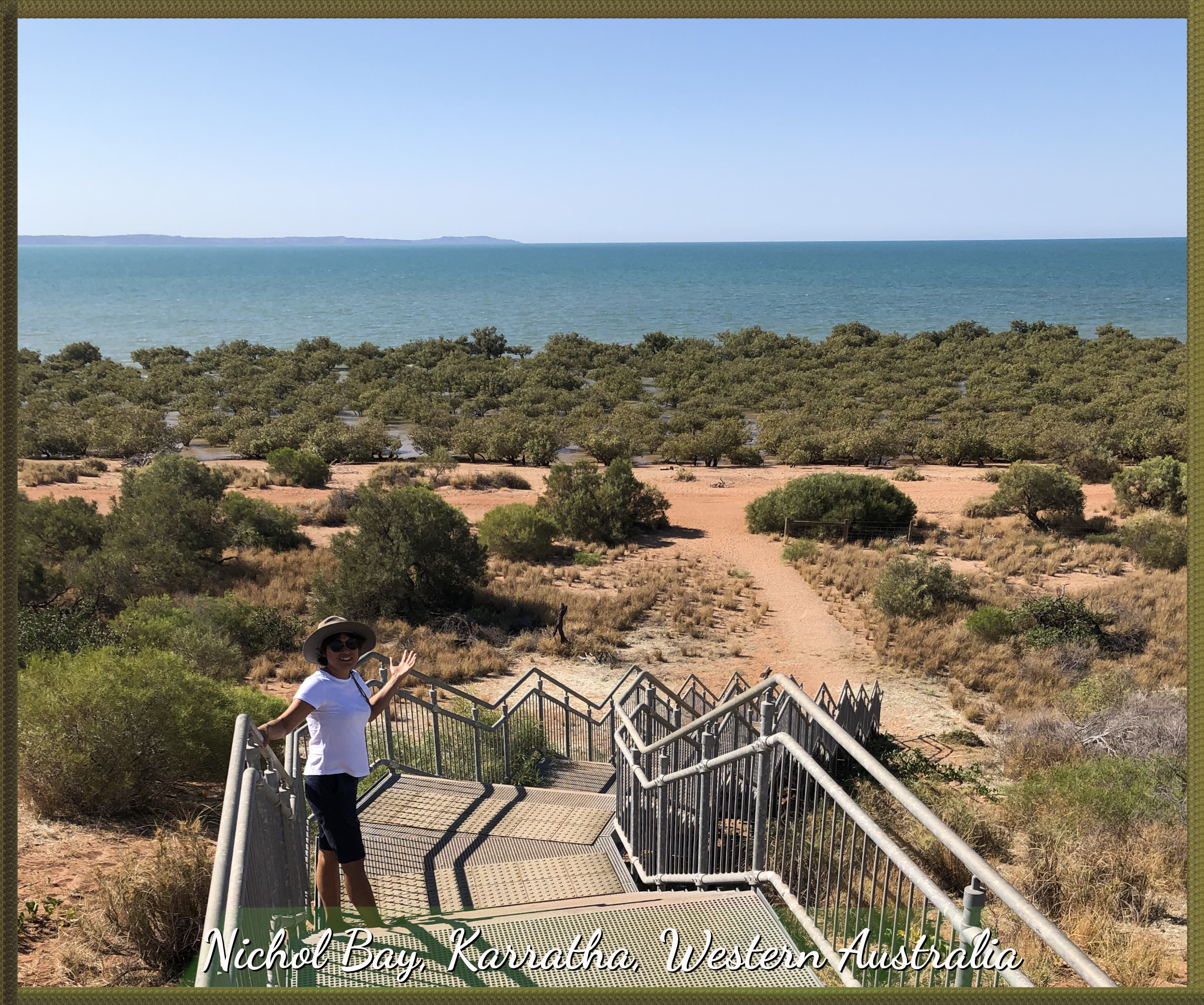
Using the Karratha AAOK Caravan Park as our base, we explored the city and surrounding towns, enjoying the refreshing breezes. During September Karratha has a mean average afternoon wind speed of 26 kilometers per hour!
Dampier
About 20 kilometres from Karratha, Dampier is connected to the mainland of Australia by a 3-kilometre causeway, built in 1963 to provide access to the town and the port. Dampier is a major industrial port with iron ore exports, LNG, and salt production.
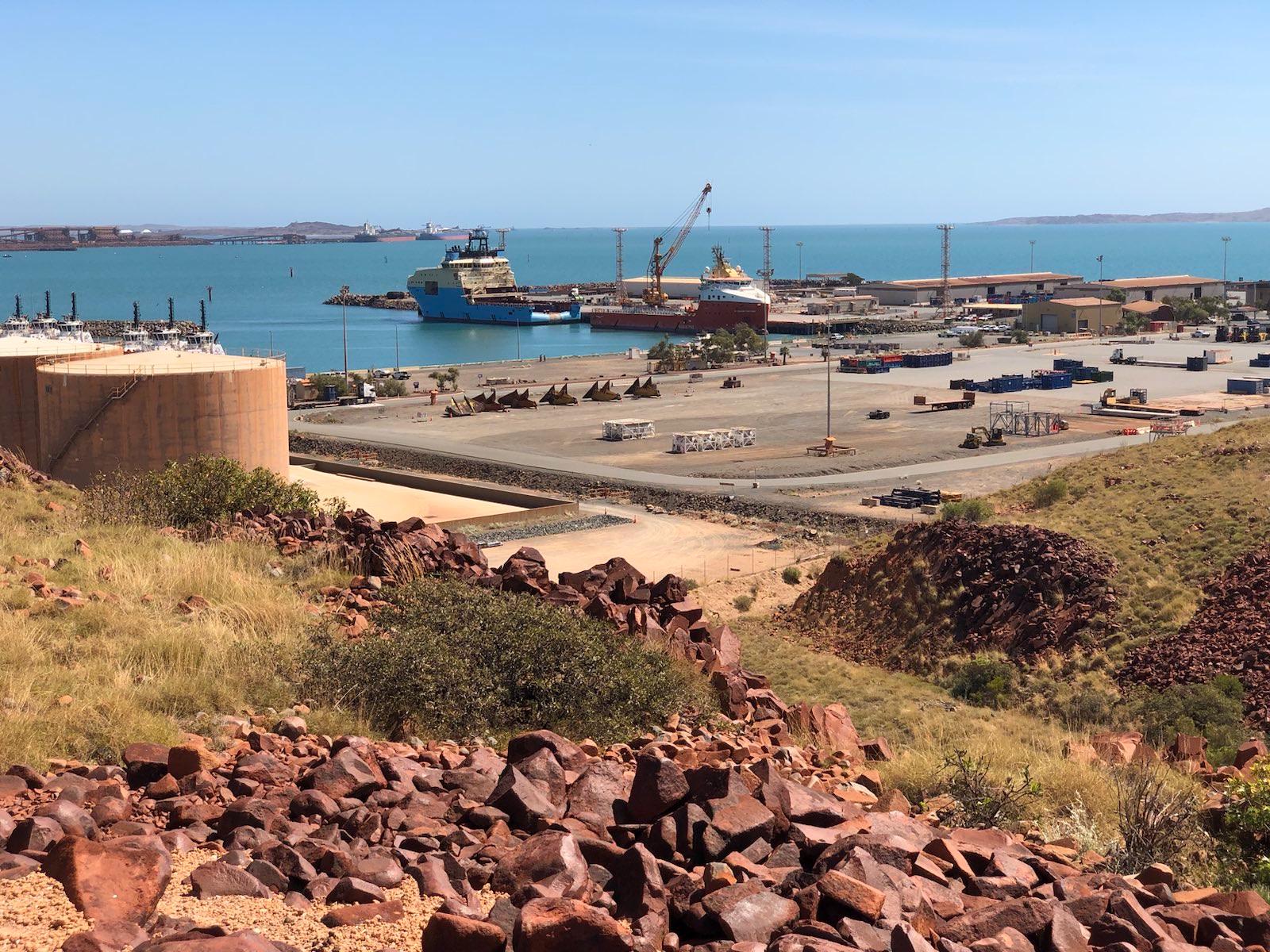
A pretty town with some interesting history including the famous red kelpie-cross which wander the region for many years.

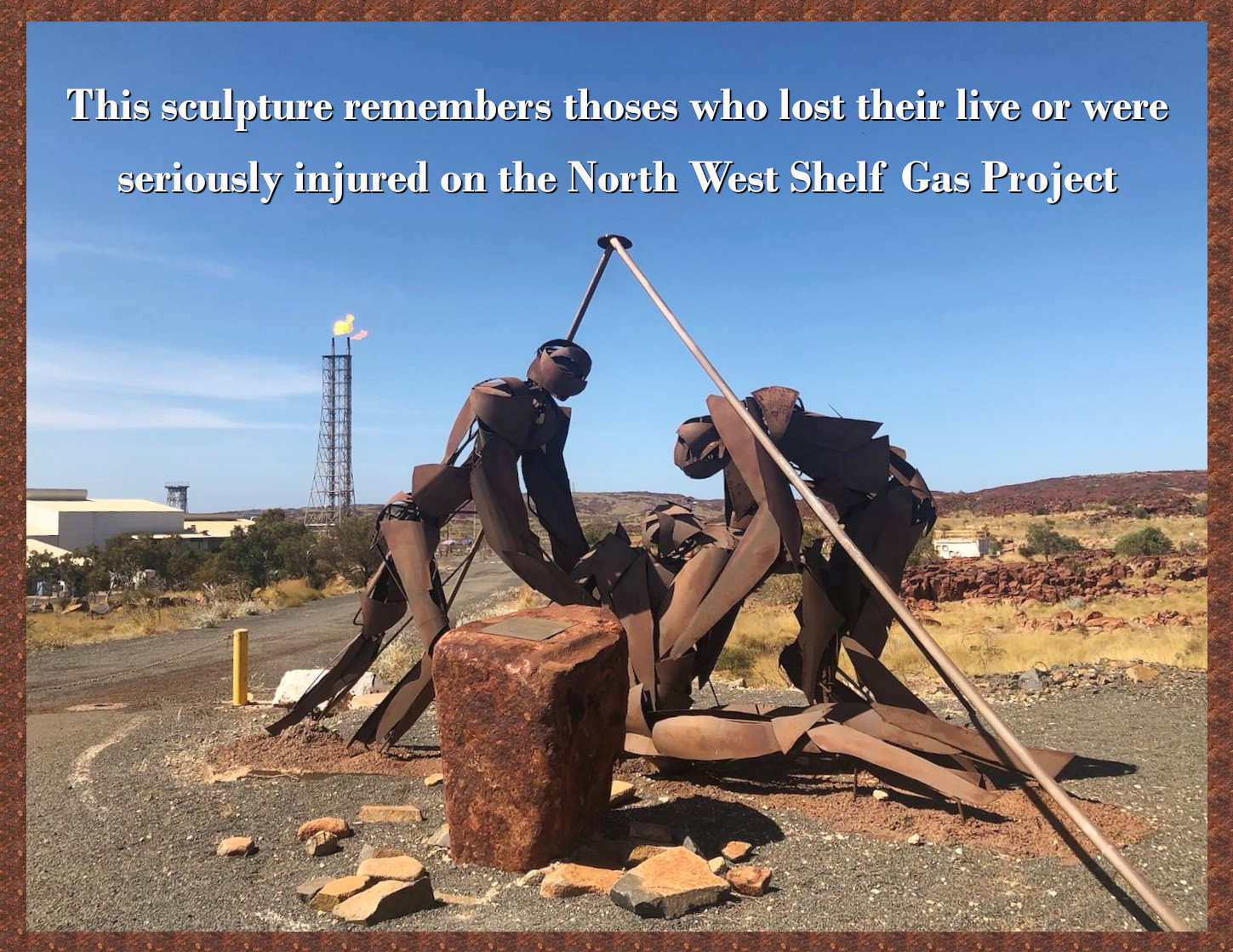
Dampier is also home to the Karratha Gas Plant part of the enormous North West Shelf Gas Project.
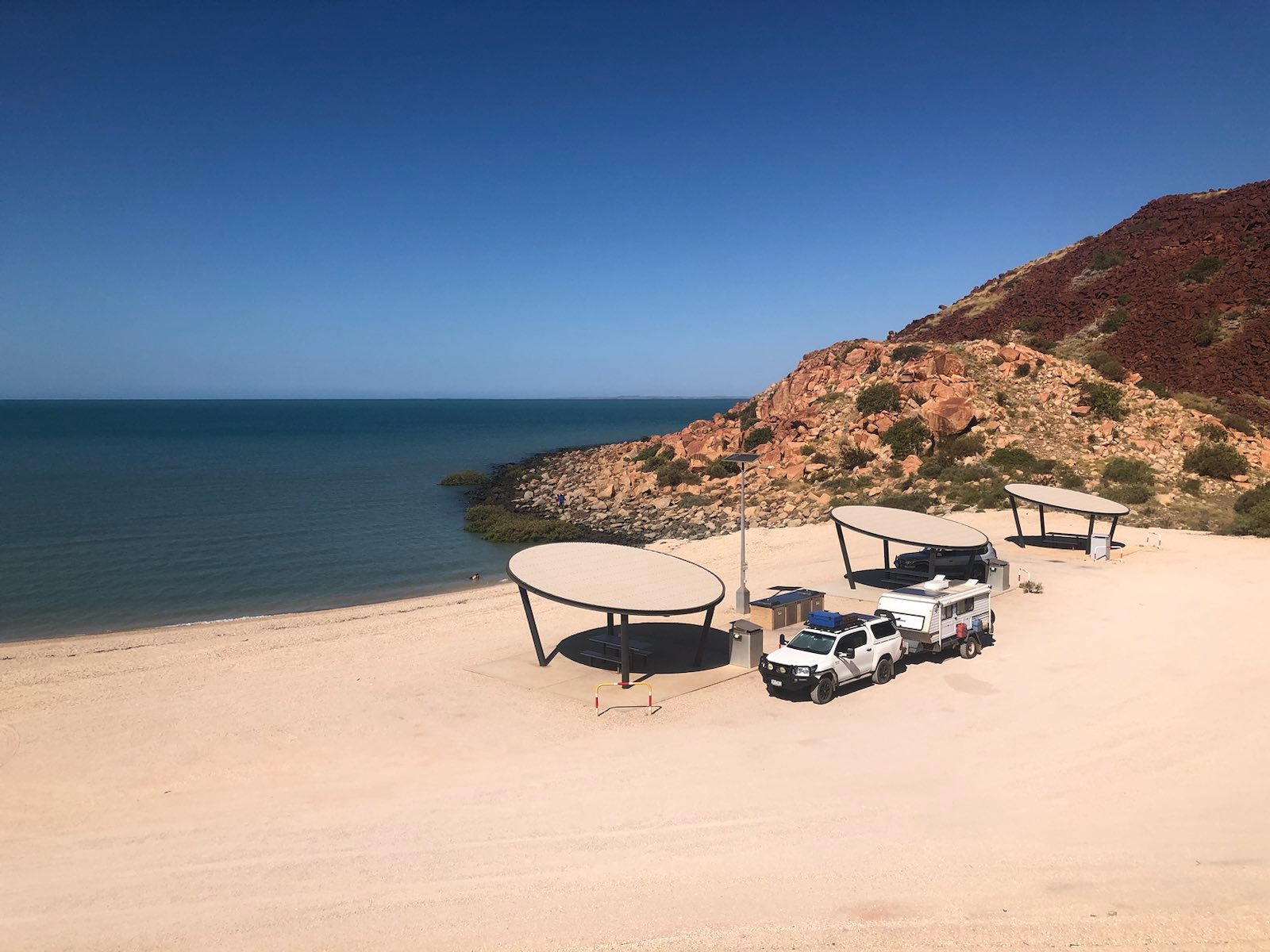
Somewhat of an odd bedfellow with all the heavy industry, Murujuga National Park is pristine and beautiful.
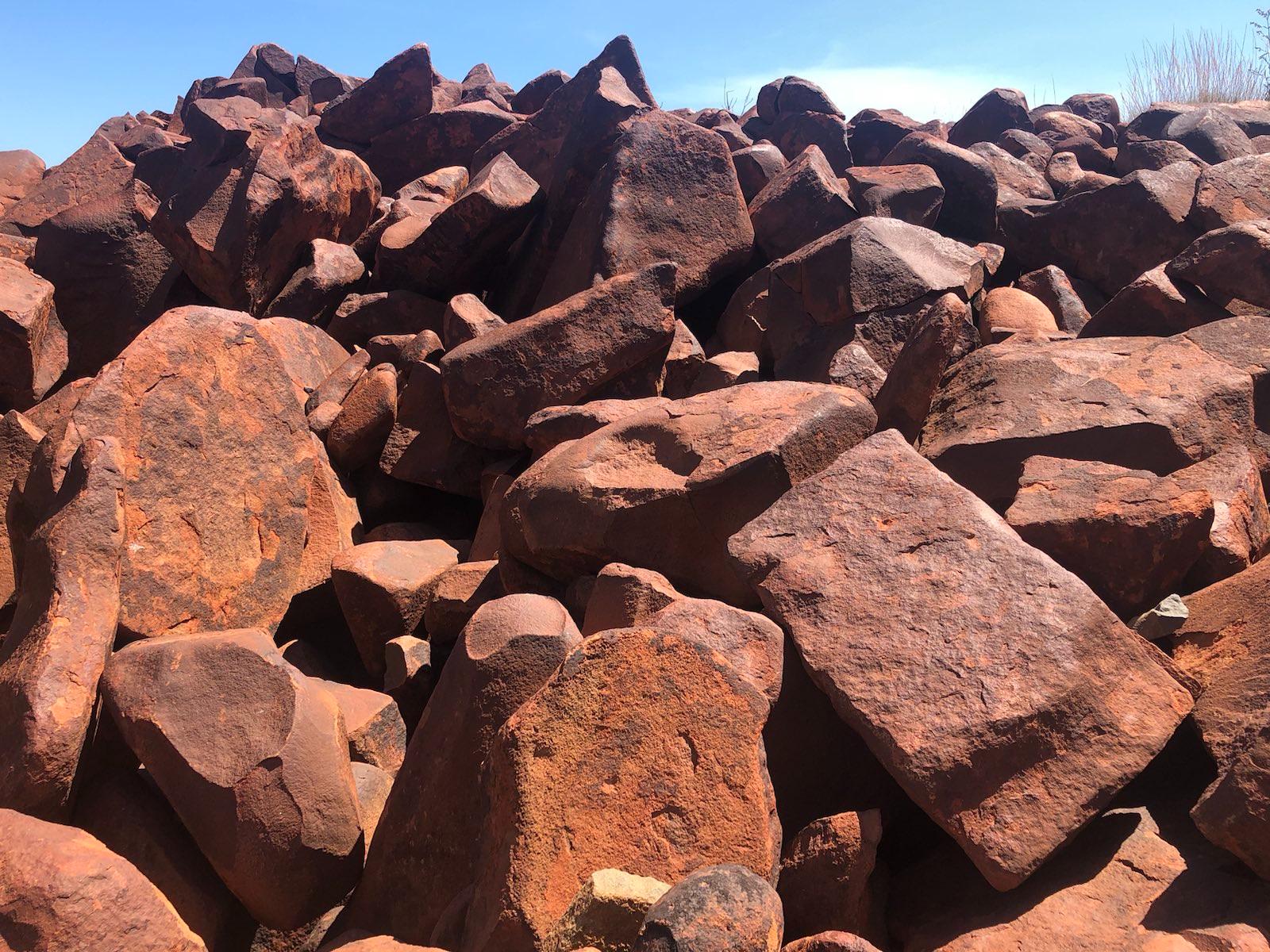
Stuart’s desert pea flowering at this time of year strikes a stark contrast to the literal piles of huge red rocks.
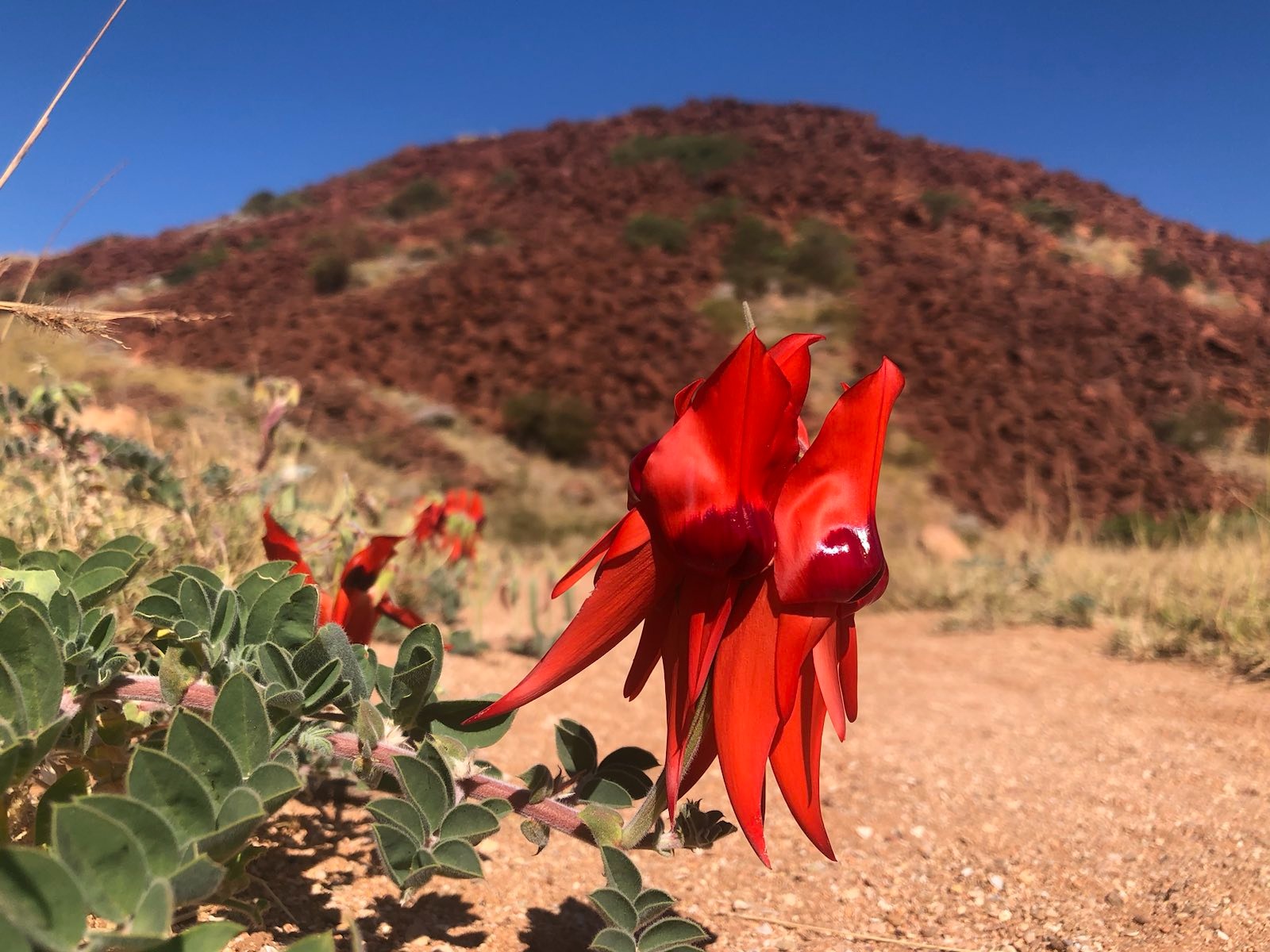
Enormous hills of giant loose red rocks (some thought to be low grade iron ore) can be seen all around.
Roebourne
About 40 kilometres north of Karratha lies the historic town of Roebourne. Roebourne is the oldest surviving town in the Pilbara region of Western Australia. Founded in 1866, Roebourne was once a thriving mining and pearling center, but declined after the discovery of iron ore in nearby towns.
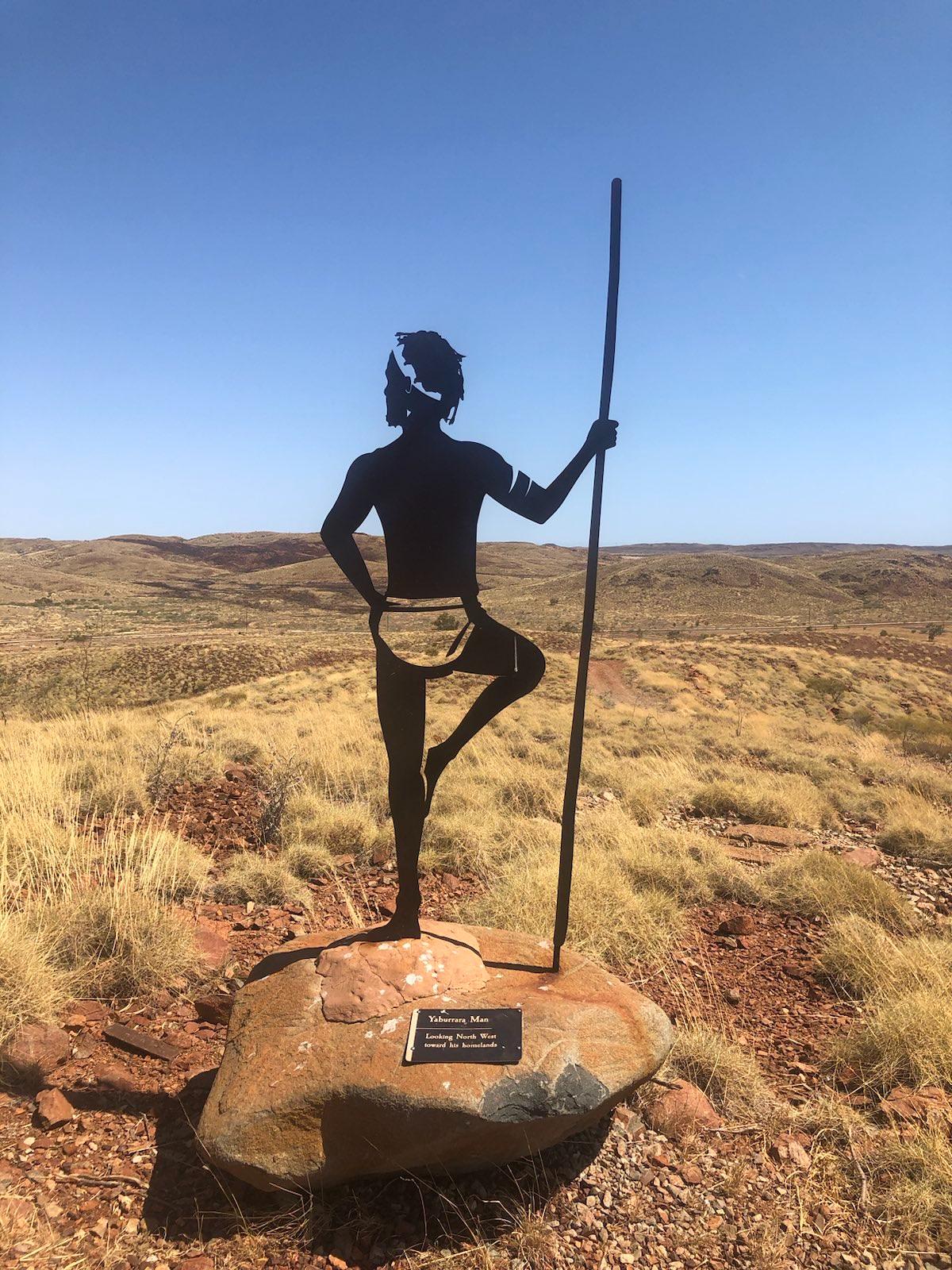
Today, Roebourne is home to about 1,000 people, mostly from the Ngarluma Aboriginal community. During early white settlement the different indigenous tribes around the region where force to live together on a reserve near Roebourne. This was the start of many difficulties for the original inhabitants of the land.
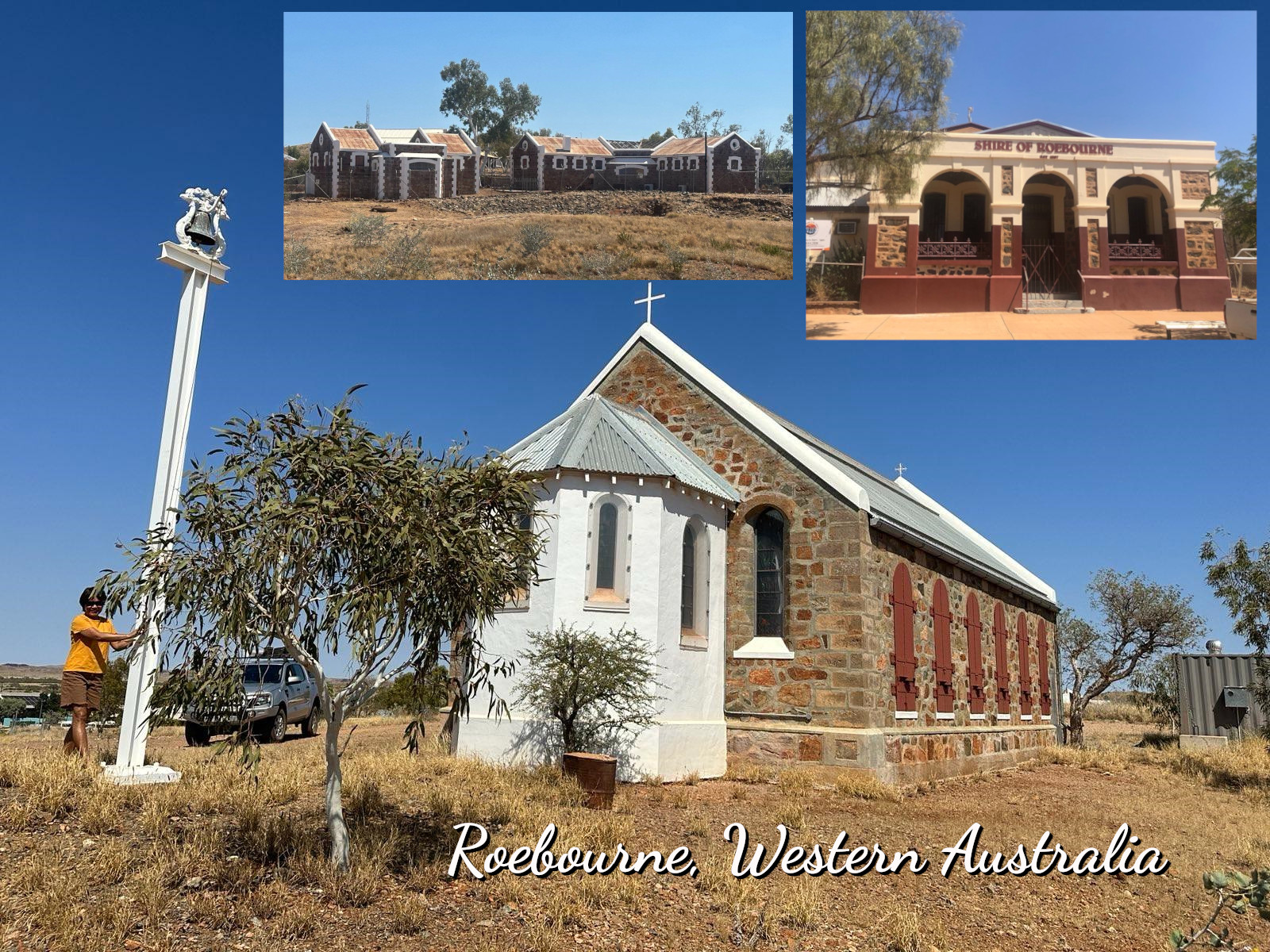
Sadly, whilst Roebourne was a source of wealth and prosperity for many, a dark and tragic past is well summed up though the history of the now closed Victoria Hotel.

Cossack
Cossack is a historic ghost town roughly fifty-five kilometres from Karratha. It was founded in 1863 as a port for the pastoral, gold rush and pearling industries. It was originally called Tien Tsin, after the Chinese workers who came to the area.
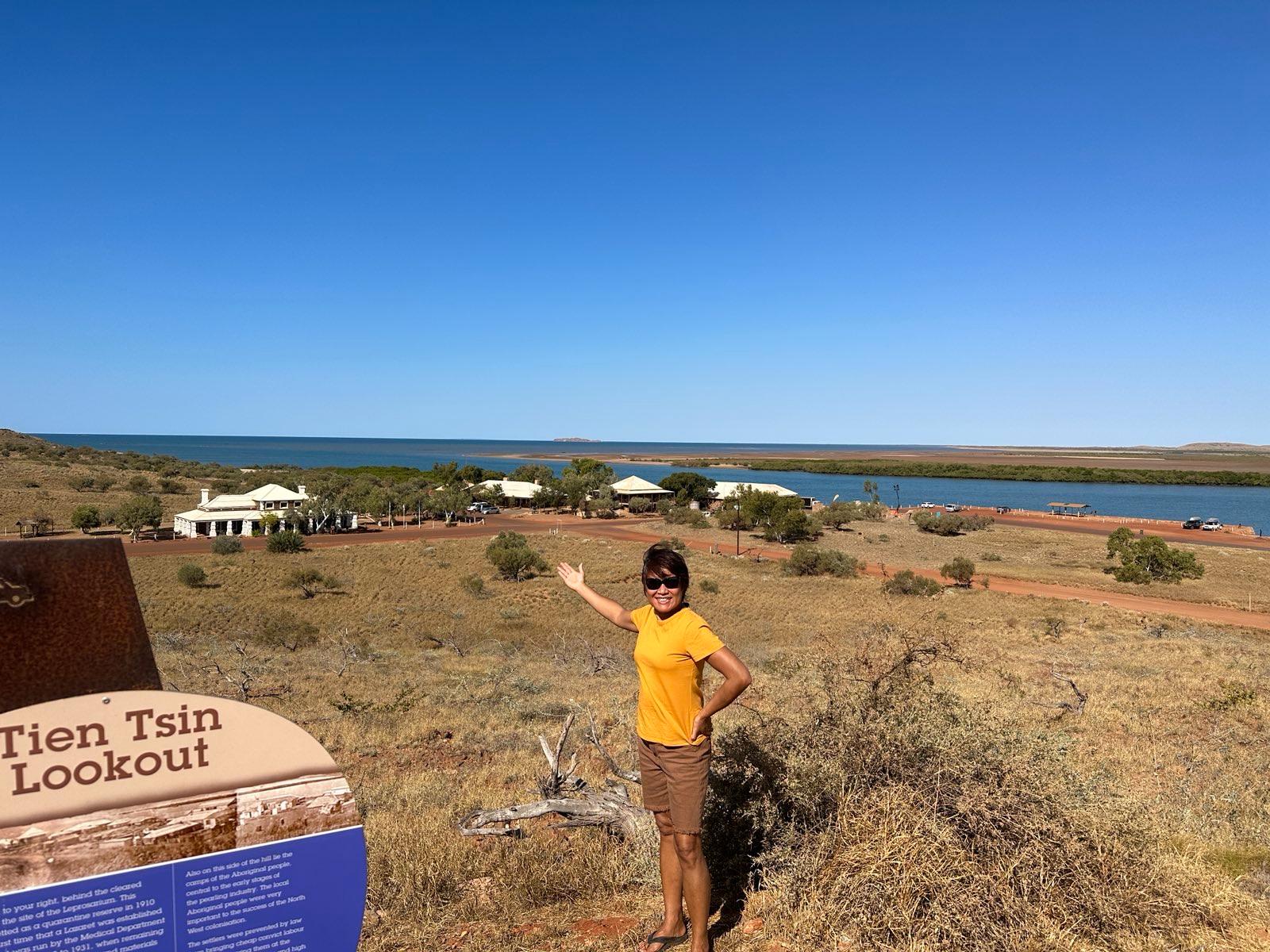
Cossack was the birthplace of Western Australia’s pearling industry and a hub for gold prospectors and pastoralists until the 1880s.

The town was abandoned after the 1940s when the pearling fleet moved to Broome and the Point Samson (a few kilometres away) jetty opened.

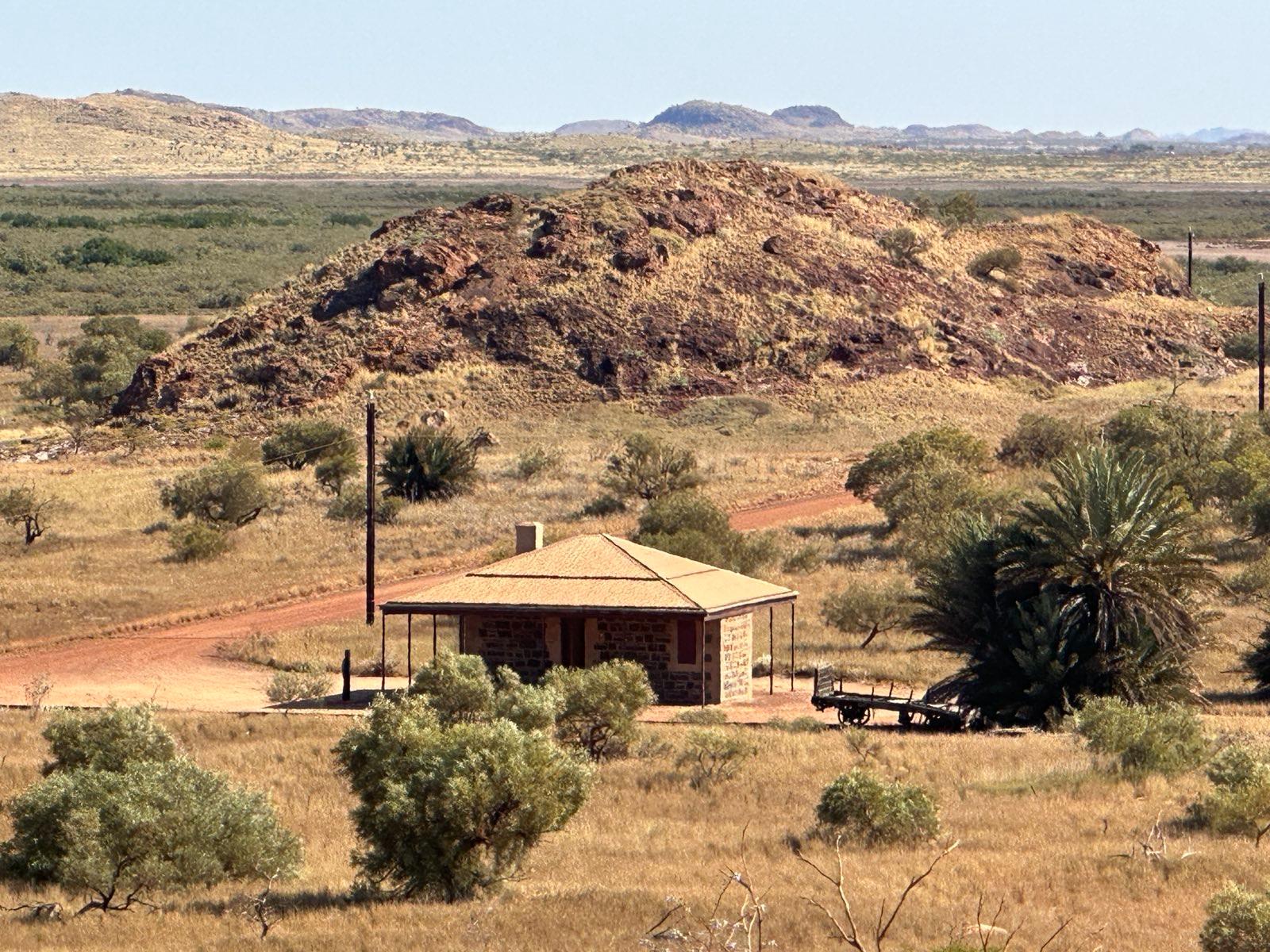
The town is now a museum town with many stone buildings listed by the National Trust.
Cleavervillie Beach
About 30 kilometres north of Karratha, Cleaverville beach is a popular spot for camping or day trips, boasting vast areas for beachcombing and great fishing off the beach and at the mouth of Cleaverville Creek.
In the YouTube video below Mallie enjoys some wild oysters!
 Jack and Mallie - All around Australia!
Just the perfect temperature for me mate. think I might move up there, How much is the real estate up there, and is there much accommodation available?
LikeLike
Pretty expensive I would imagine. It would be much hotter there now, plenty of work available.
LikeLike