In 1883, Charles Rasp pegged out a claim at the ‘Broken Hill,’ which turned out to be part of the Line of Lode—one of the world’s largest bodies of silver, lead, and zinc. The Broken Hill Proprietary Company (BHP) was born, forever shaping the town’s destiny.
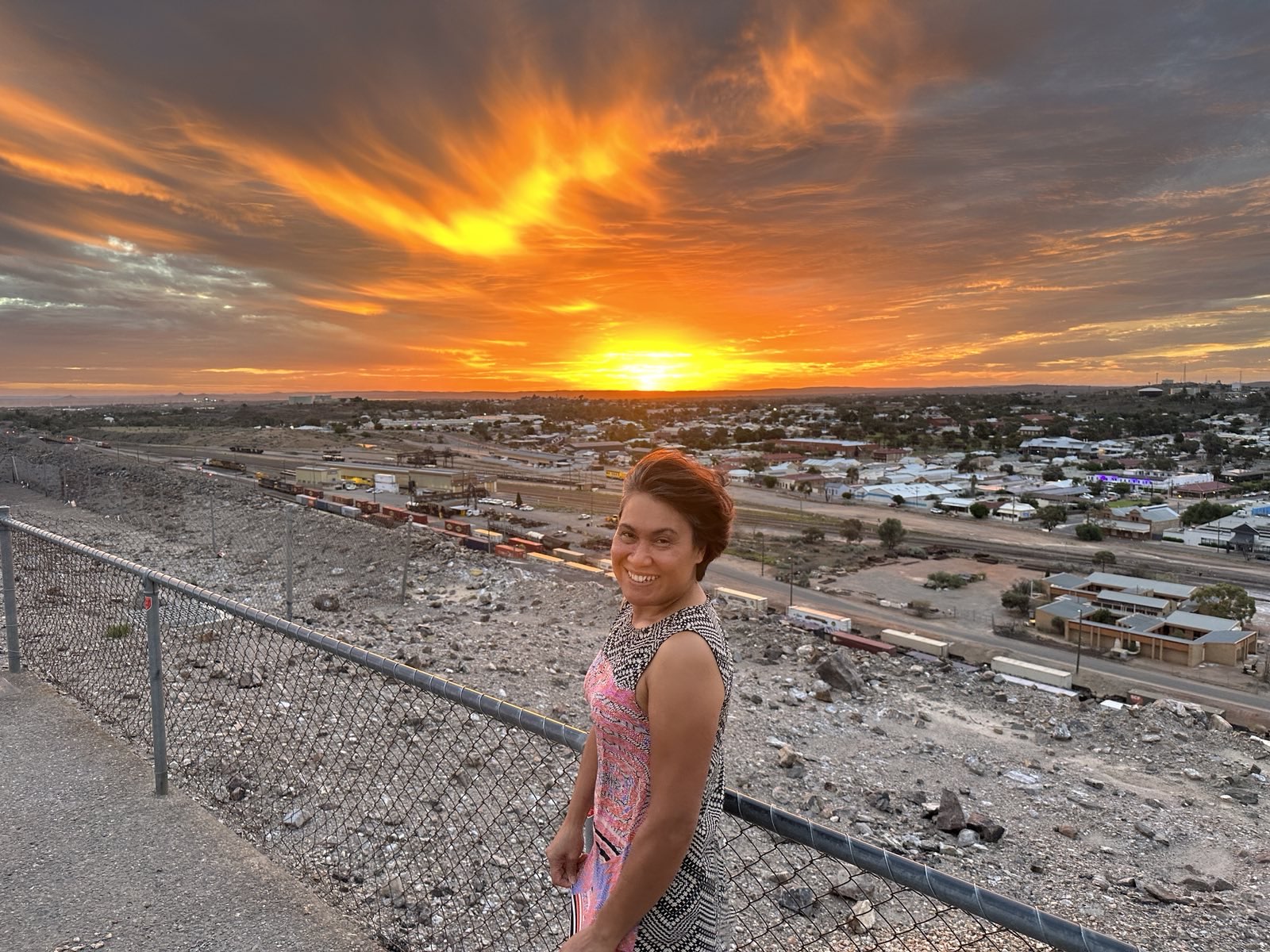
Perched on a hill overlooking the city, the Line of Lode monument pays tribute to the more than 800 lives lost in mining accidents over the years.
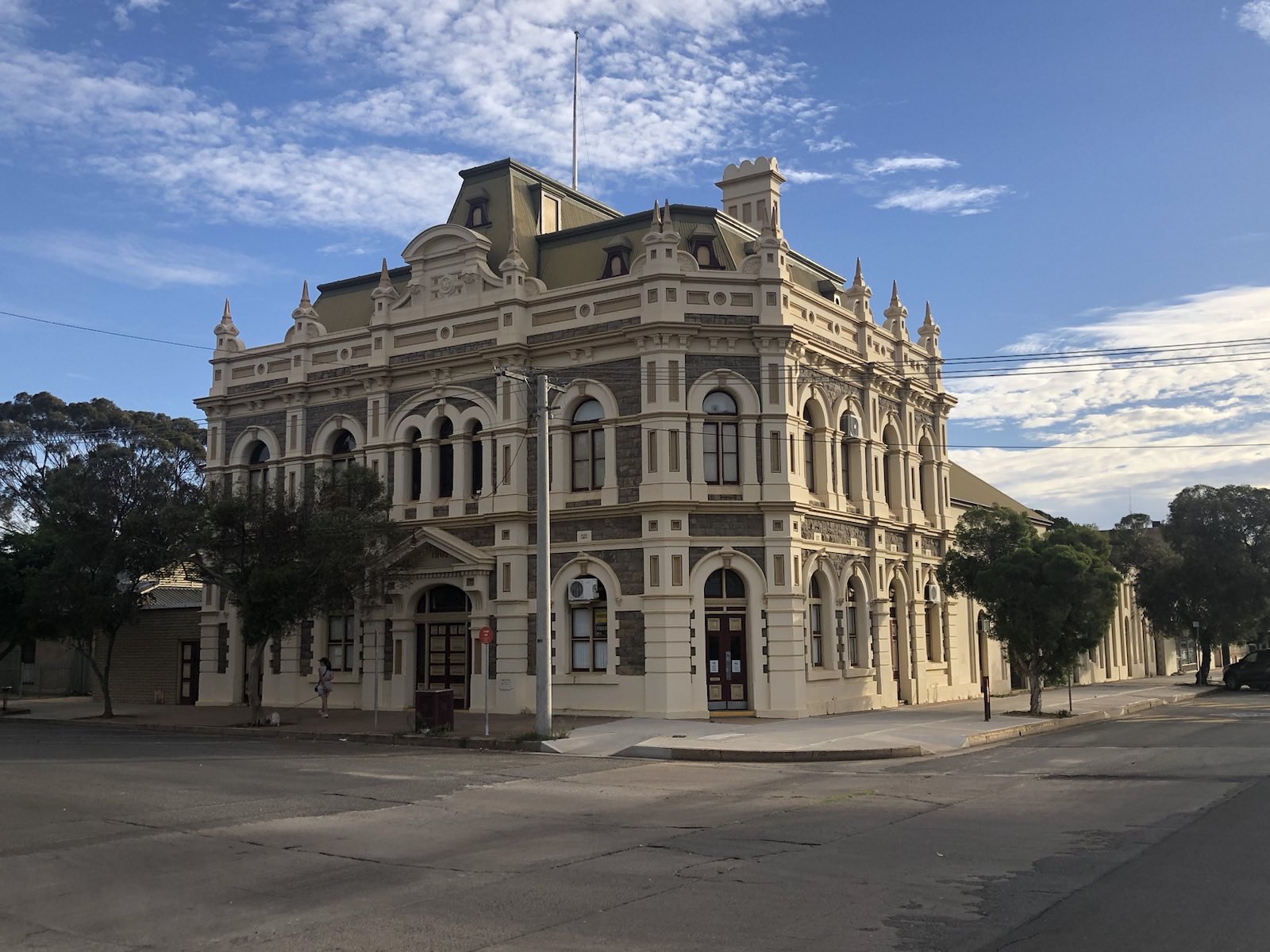
Broken Hill wears its history proudly through its architecture. The city’s unique blend of styles reflects its diverse past. Constructed in 1905, this magnificent building was the first in Australia to be owned by unions. It stands as a testament to the town’s militant spirit during the fight for miners’ rights.
Whilst Broken Hill’s population peaked at 35,000 in 1915, it is now half of that at around 17,500 residents. With its 26 metre high clock tower, Broken Hill’s red-brick post office is a striking landmark. The former Town Hall Facade can be seen in the background.
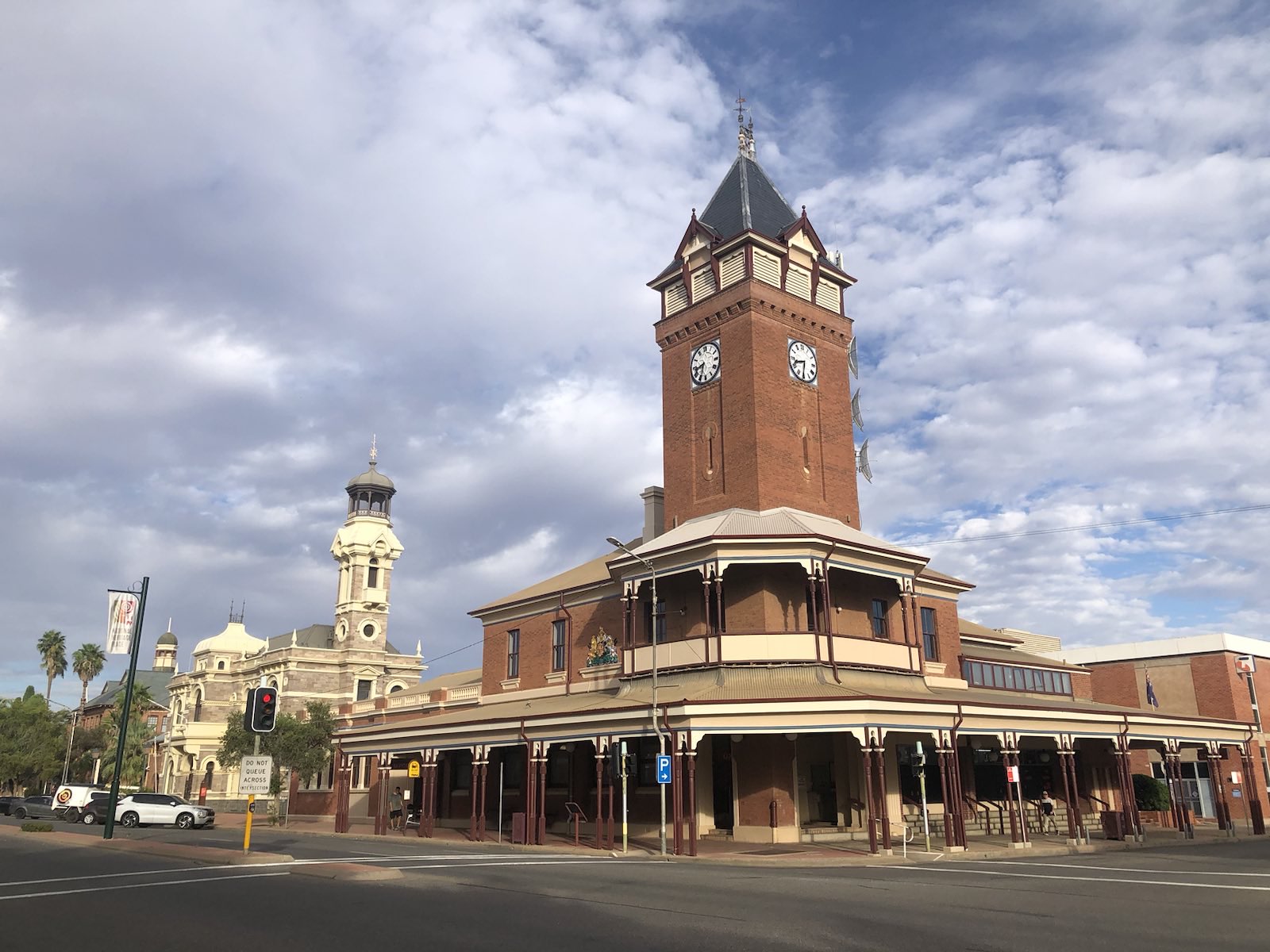
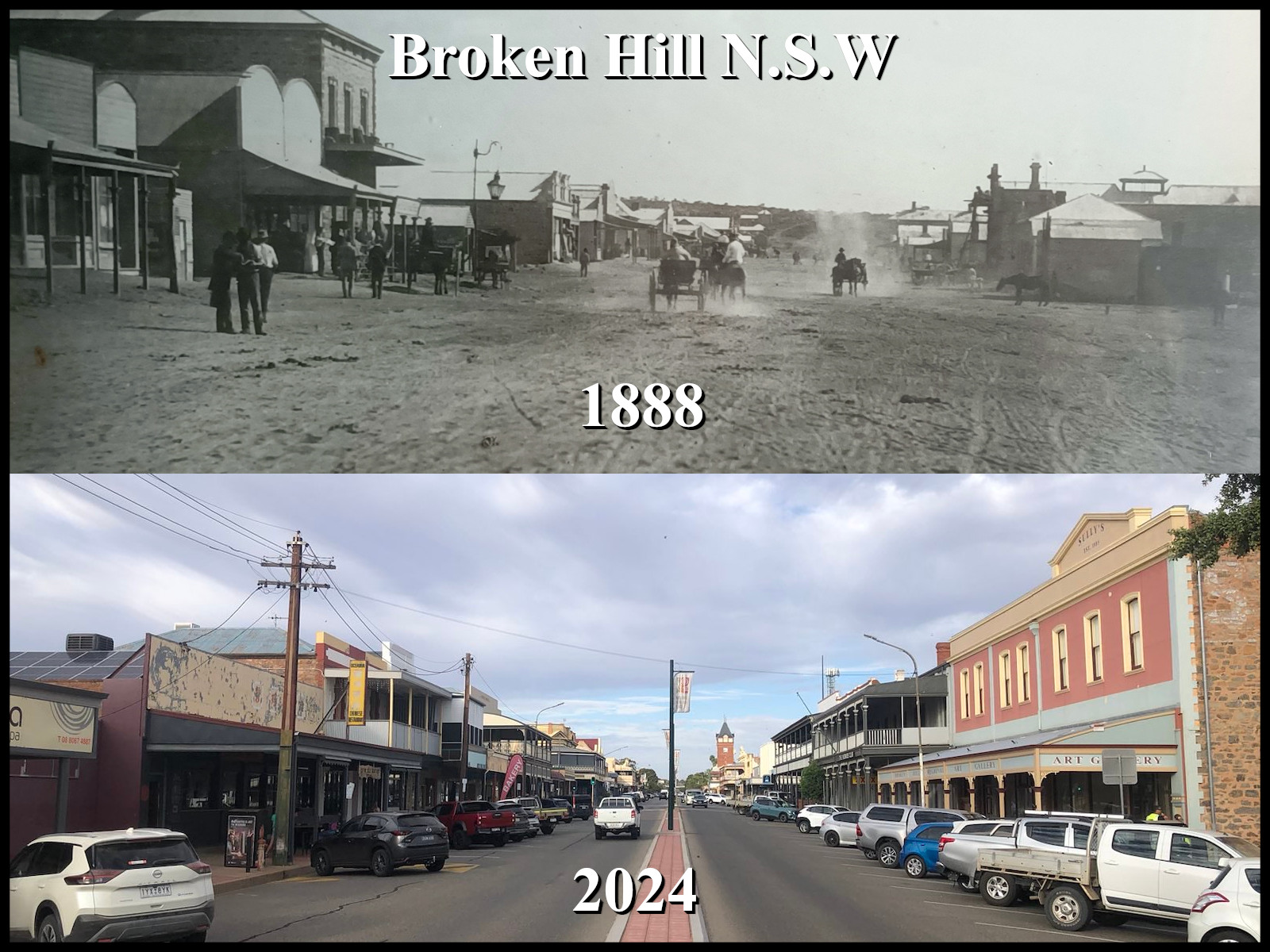
Broken Hill was declared a municipality in September 1888 and the first council meeting was held in a wooden building on the current town hall site in December 1888. The iconic town hall was designed by Adelaide architects Whitall and Wells in the South Australian Italianate style using stone from the Block 14 Mine. The large hall at the rear was demolished in 1974 following the erection of a new civic centre, and the facade was restored in 1976.

After more than 130 years of mining a 300-million-tonne mineral system, the 7.5 kilometre long, 1.6 kilometre deep Line of Lode still supports mining, making Broken Hill one of the longest continual mining towns in the world. Operations like the Rasp Mine, operated by CBH Resources Ltd, currently extracting ore at a maximum rate of 750,000 tons per annum.
Artists of the Bush
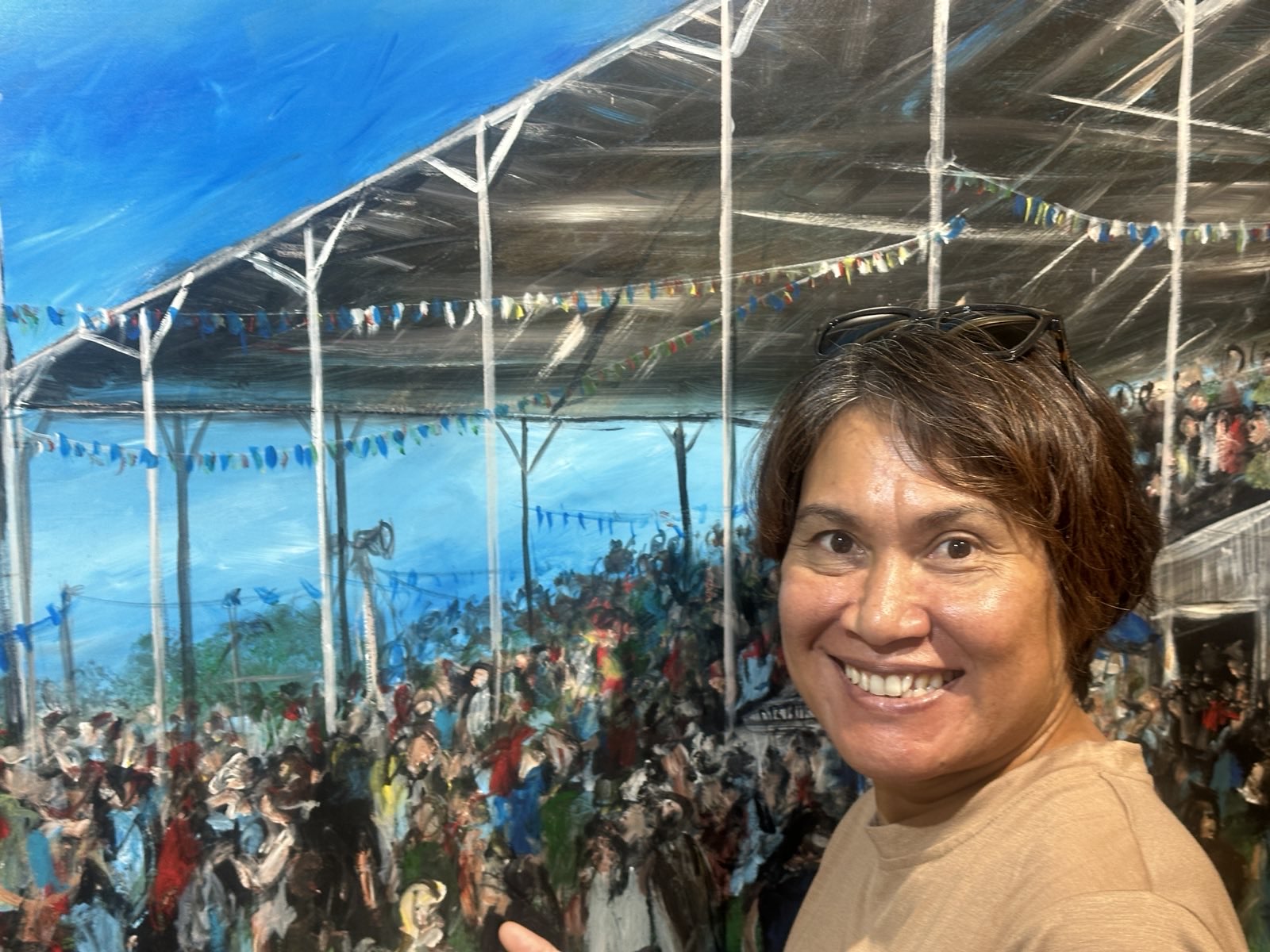
Well renowned artists like Pro Hart and Jack Absolom, were forerunners in what is now a very vibrant art scene around Broken Hill and nearby Silverton.

Visitors to Broken Hill and Silverton have a choice of many wonderful art galleries including Pro Hart’s.
Silverton, New South Wales
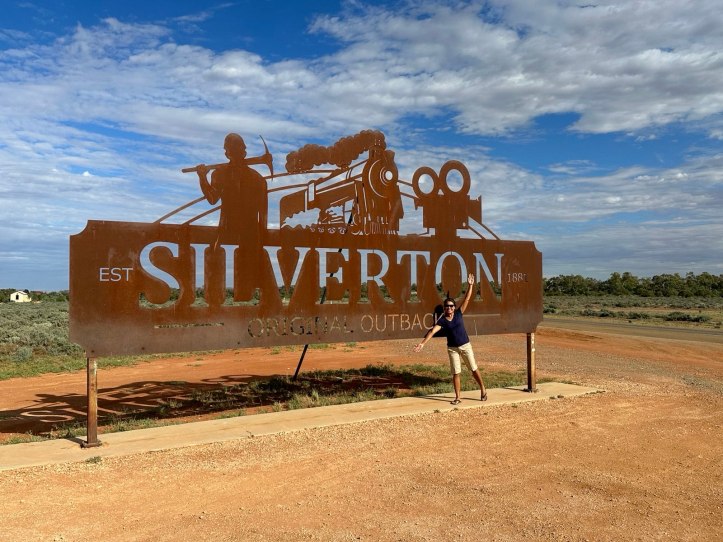
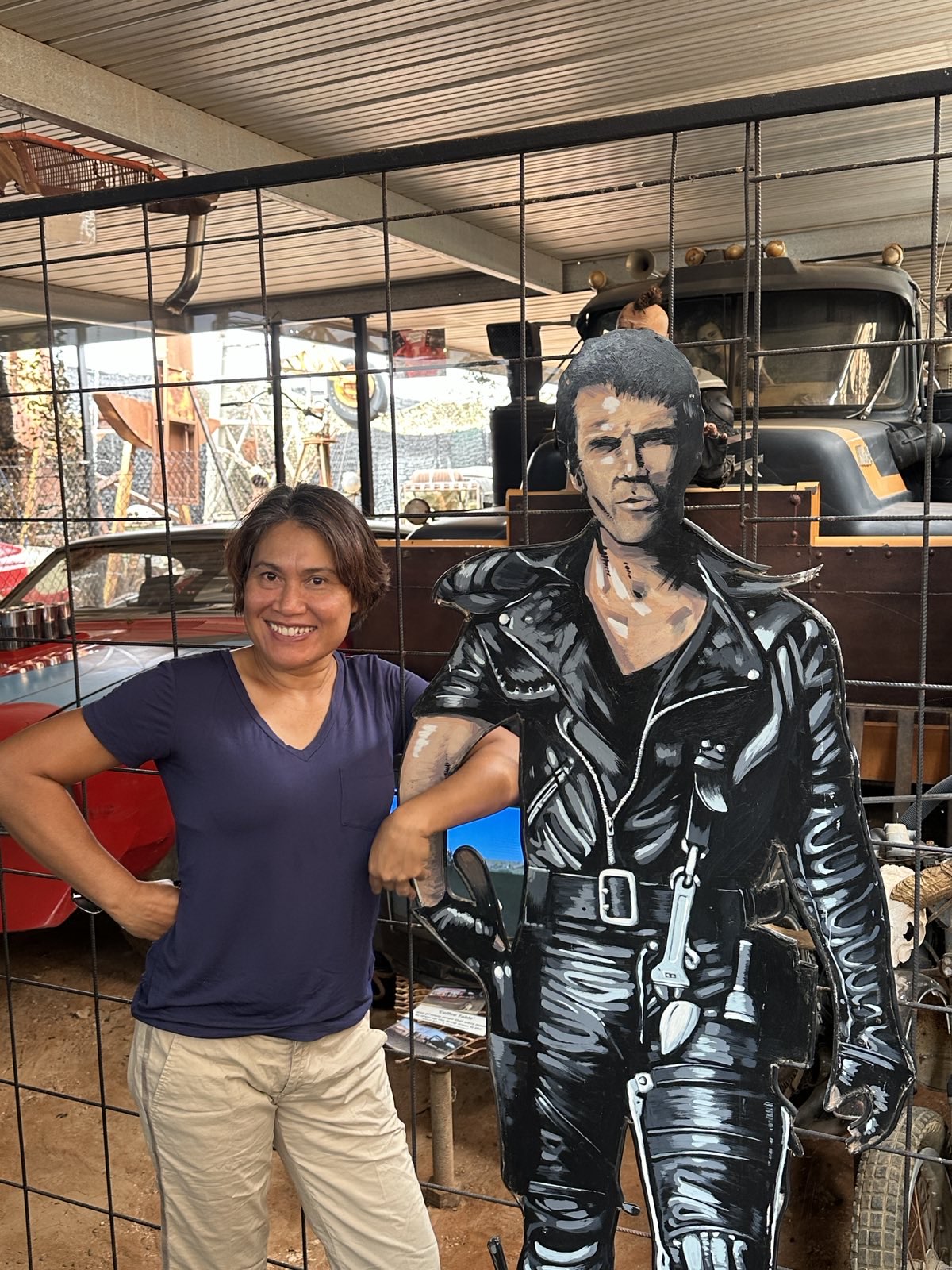
Located about 25 kilometres north of Broken Hill, and although almost a ghost town, the old mining town of Silverton has fair bit to offer visitors including the Pub, the historic goal and museum, art galleries and the Mad Max 2 Museum. During 1970, “Wake In Fright” was filmed in Broken Hill and Silverton and put the area on the map as a unique film location, giving rise to the filming of Mad Max 2 around Silverton in 1981.
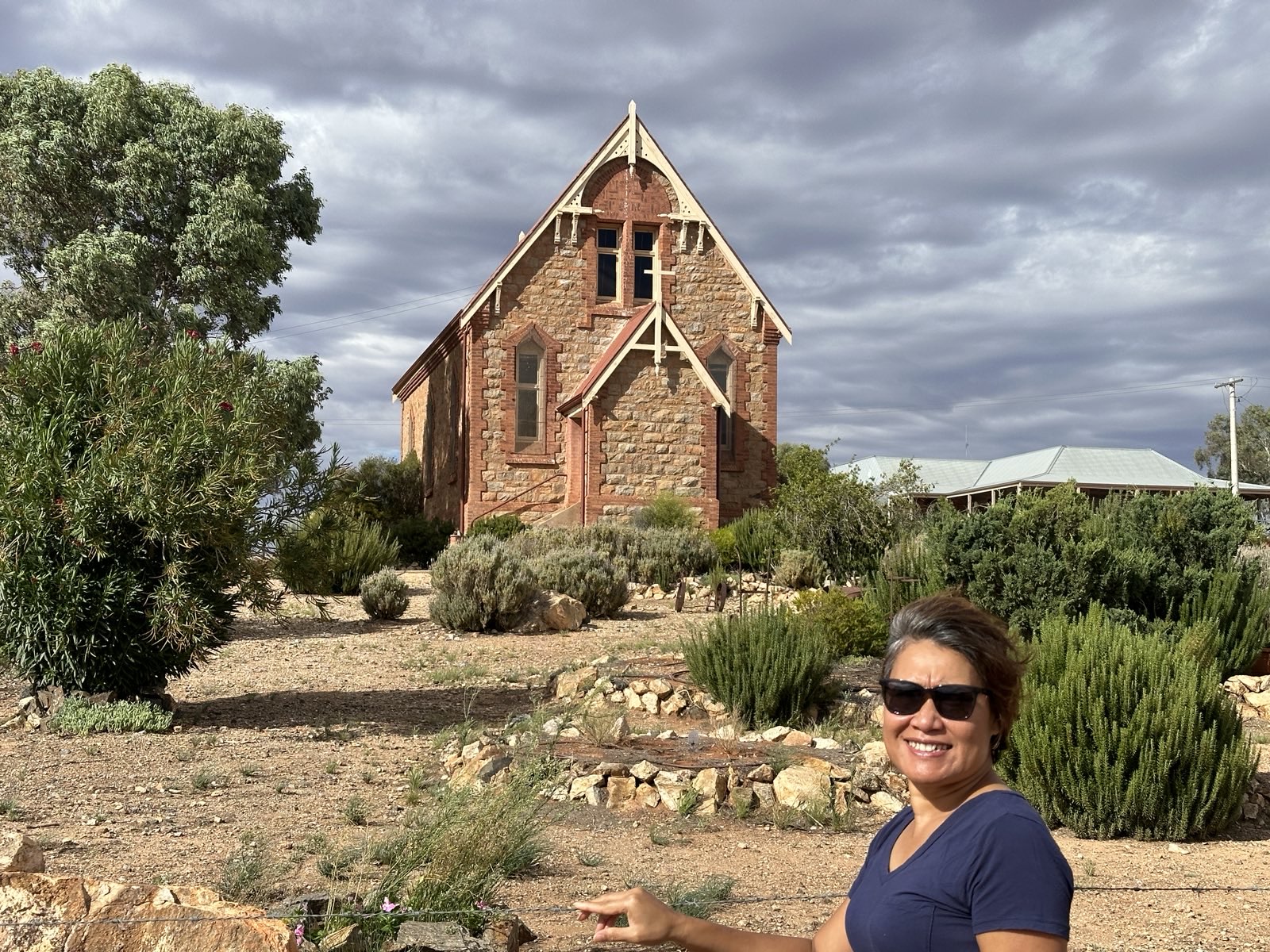
Silverton retains many old stone buildings standing as testament to the former glory days including the Methodist and Catholic Church buildings.
 Jack and Mallie - All around Australia!
wow!! 59Kinchega Woolshed, Menindee, New South Wales
LikeLike