
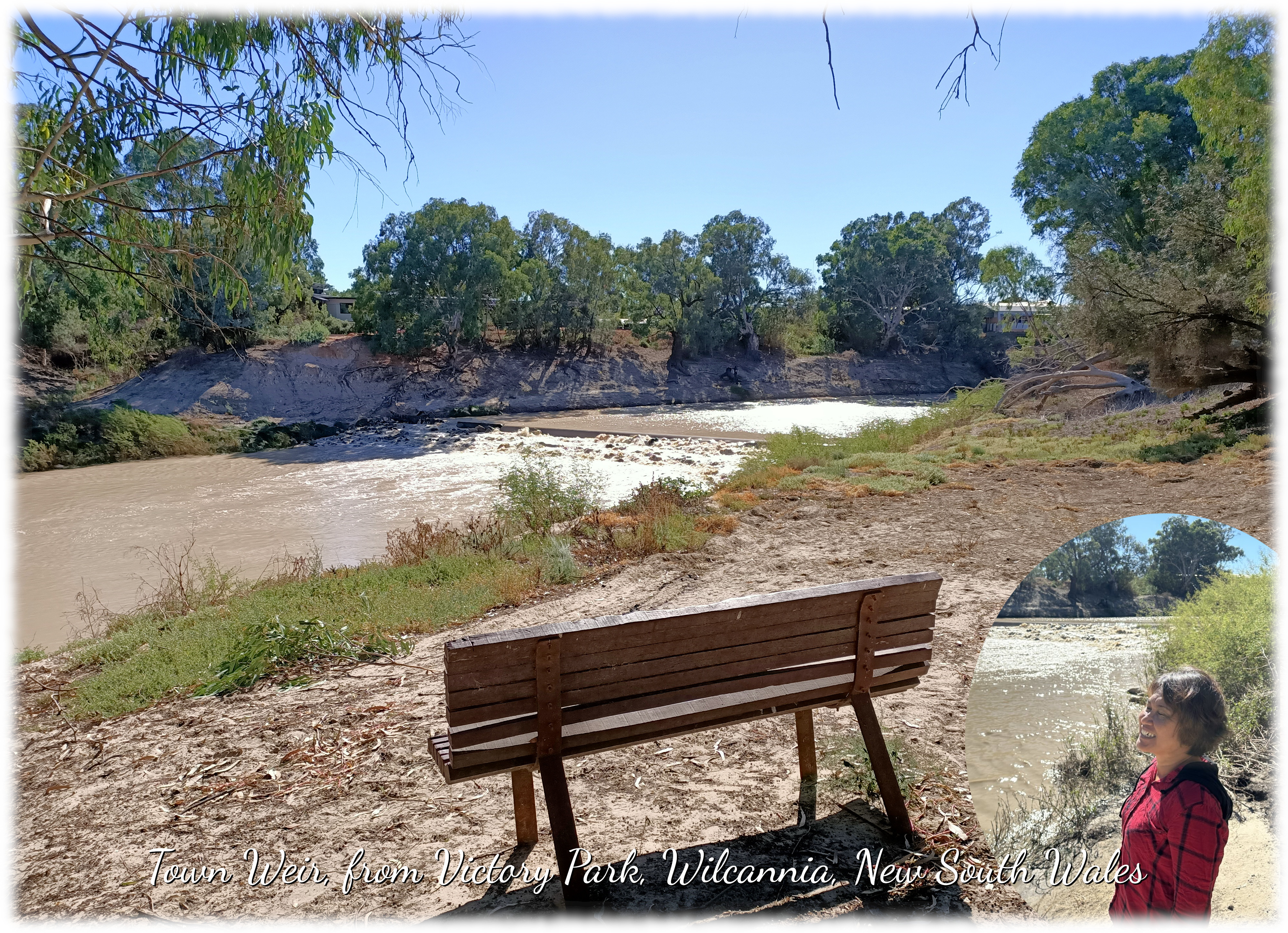
Wilcannia, a small town in the Far West region of New South Wales, Australia, is steeped in rich history and cultural significance. Situated on the traditional lands of the Barkindji people, the area has been home to Indigenous Australians for tens of thousands of years. The Barkindji, whose name means ‘people of the river’, have a deep connection to the Darling River, or ‘Baaka’, which flows through Wilcannia.
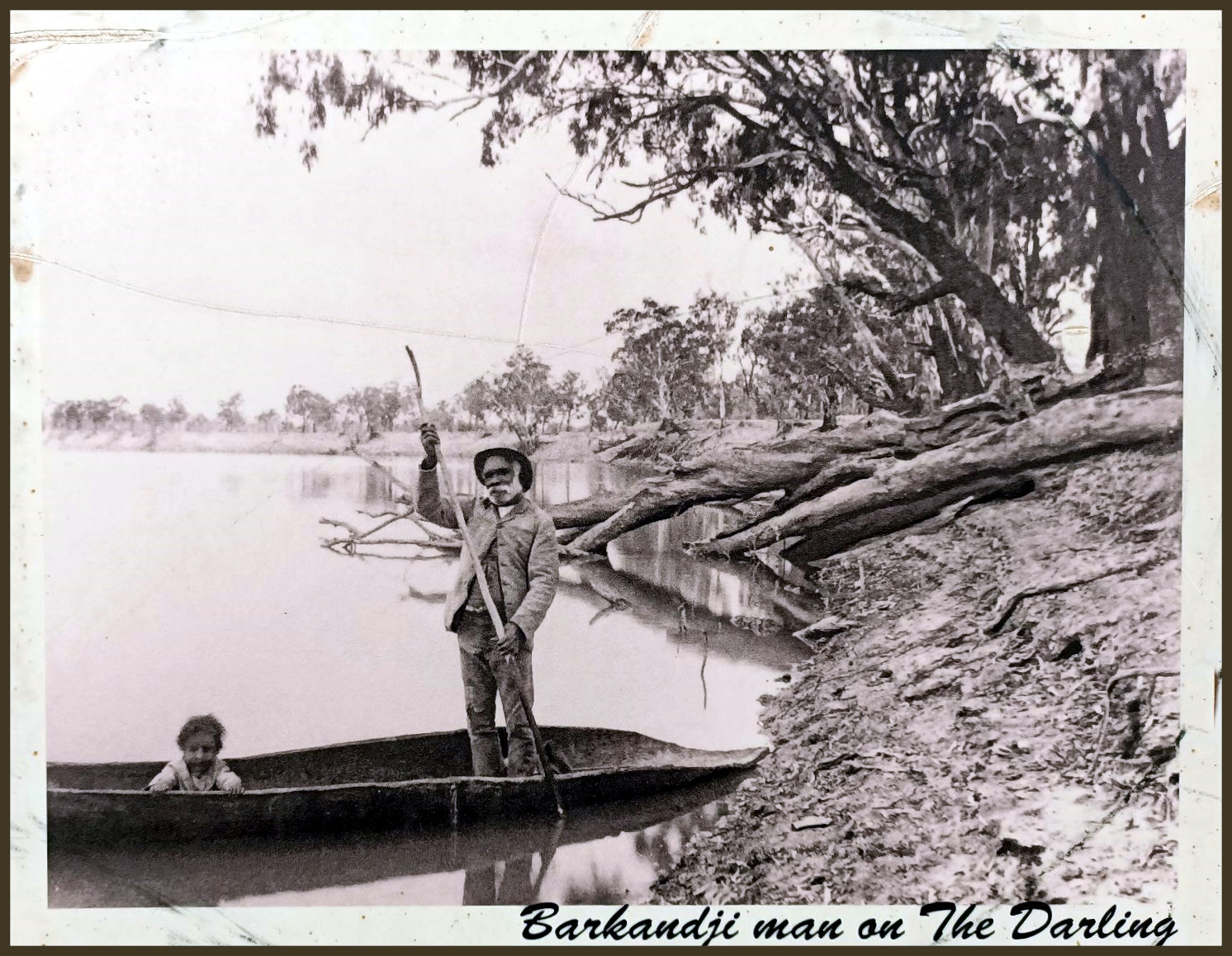
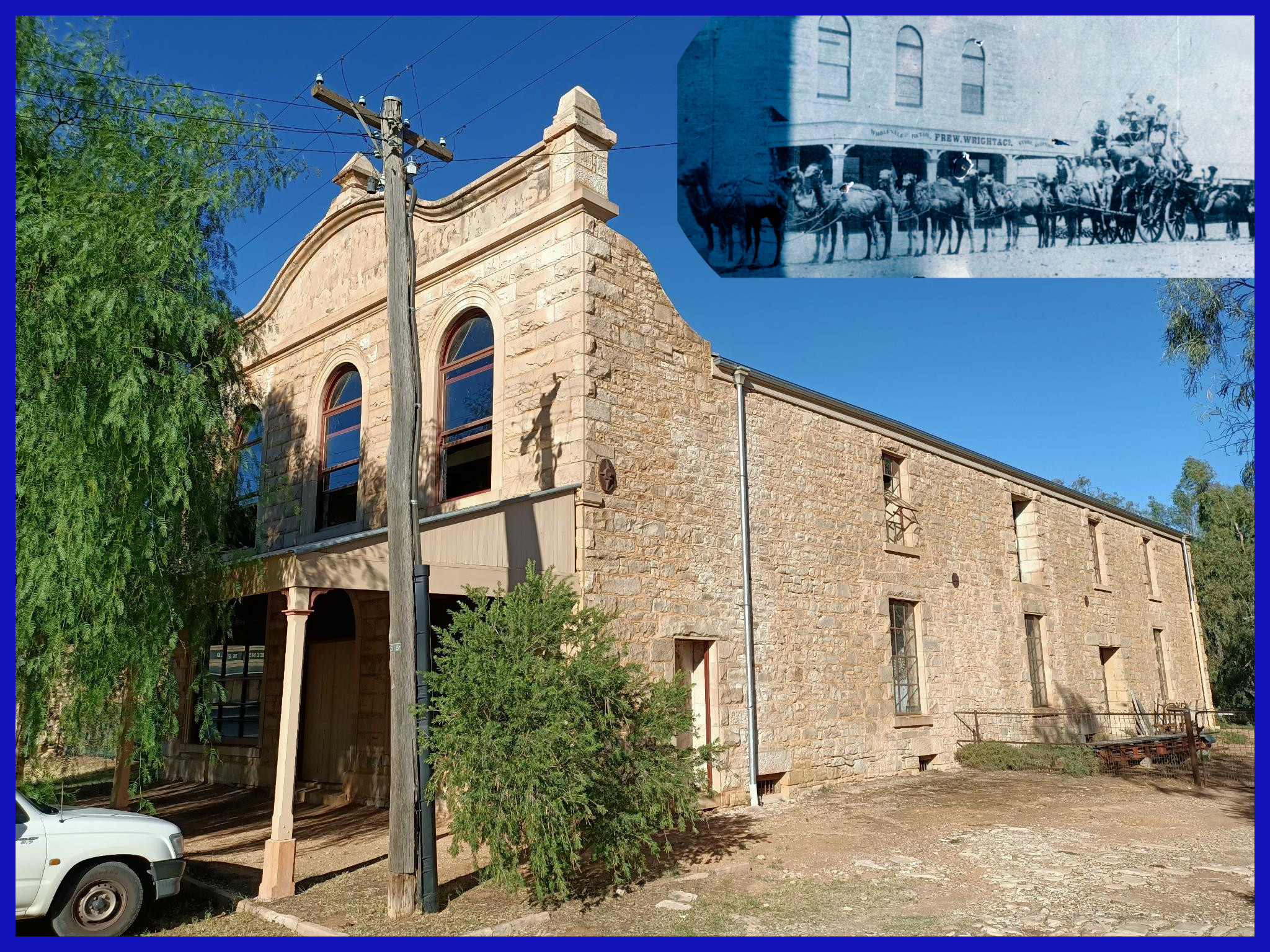
The early white settlement of Wilcannia dates back to the mid-19th century when it became a key inland port during the river boat era. The town was established in 1866 and quickly grew as a hub for the surrounding pastoral stations. The arrival of paddle steamers marked the beginning of significant economic activity, with Wilcannia becoming the third largest inland port in the country at the time. The wool industry played a pivotal role in Wilcannia’s prosperity. The town was once bustling with wool stores, and the Darling River served as a vital transport route for wool bales destined for markets far and wide. At its peak, the town boasted a population of around 3,000 people, thirteen hotels and was known as the ‘Queen City of the West’.
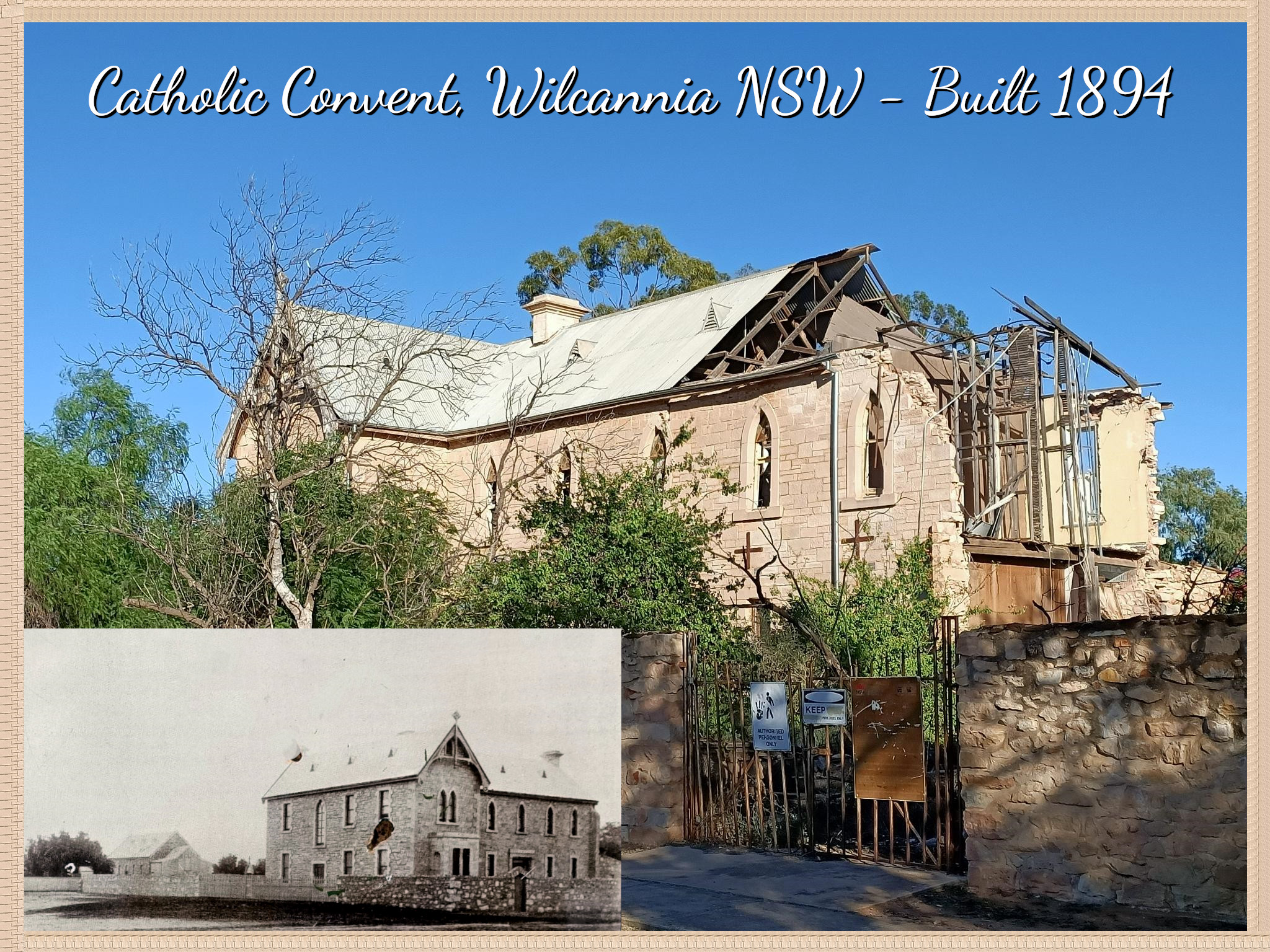
Early clergy also made valiant efforts serving this vast and remote region. During the 1880s, the Rev. Father Davern was distressed at; “…the religious ignorance and indifference that had possession of an otherwise kind and generous people…” declaring that “Unless he could get some Sisters to come and instruct the youth, he would leave the district heart broken. In 1890 help came in the form of Mother M. Pau of Yass, who led a group of sisters and establish a convent and boarding school.
In the 1900s, Anglican Rev J Rawlings covered his vast parish by pushbike travelling over 40,000 kilometres, including three-day trips to Hay! Later in the 1920s Rev Fred Harvey terrified passengers on his motorcycle and sidecar. Probably the most famous was Australia’s first flying padre, the Rev Len Daniels, who raised money in England for a Cirrus Moth aeroplane in 1928.
With Wilcannia’s economy booming in the late 1800s, the hotels did a roaring trade. E.F Murphy recalls the year of 1876, whilst working at nearby Murtee Station. “Wilcannia was a busy place…. the main street only sand. The principal hotel was known as Mother Kinnivan’s, a wooden building with a verandah all around where the Wilcannia Club Hotel stands today. You would find at least three horses tied to every verandah post, all the way around, and the place full of men knocking down their cheques. Work was plentiful; stations in the district mostly new, fencing and tank sinking were going on everywhere, and fresh cheque men were always arriving.

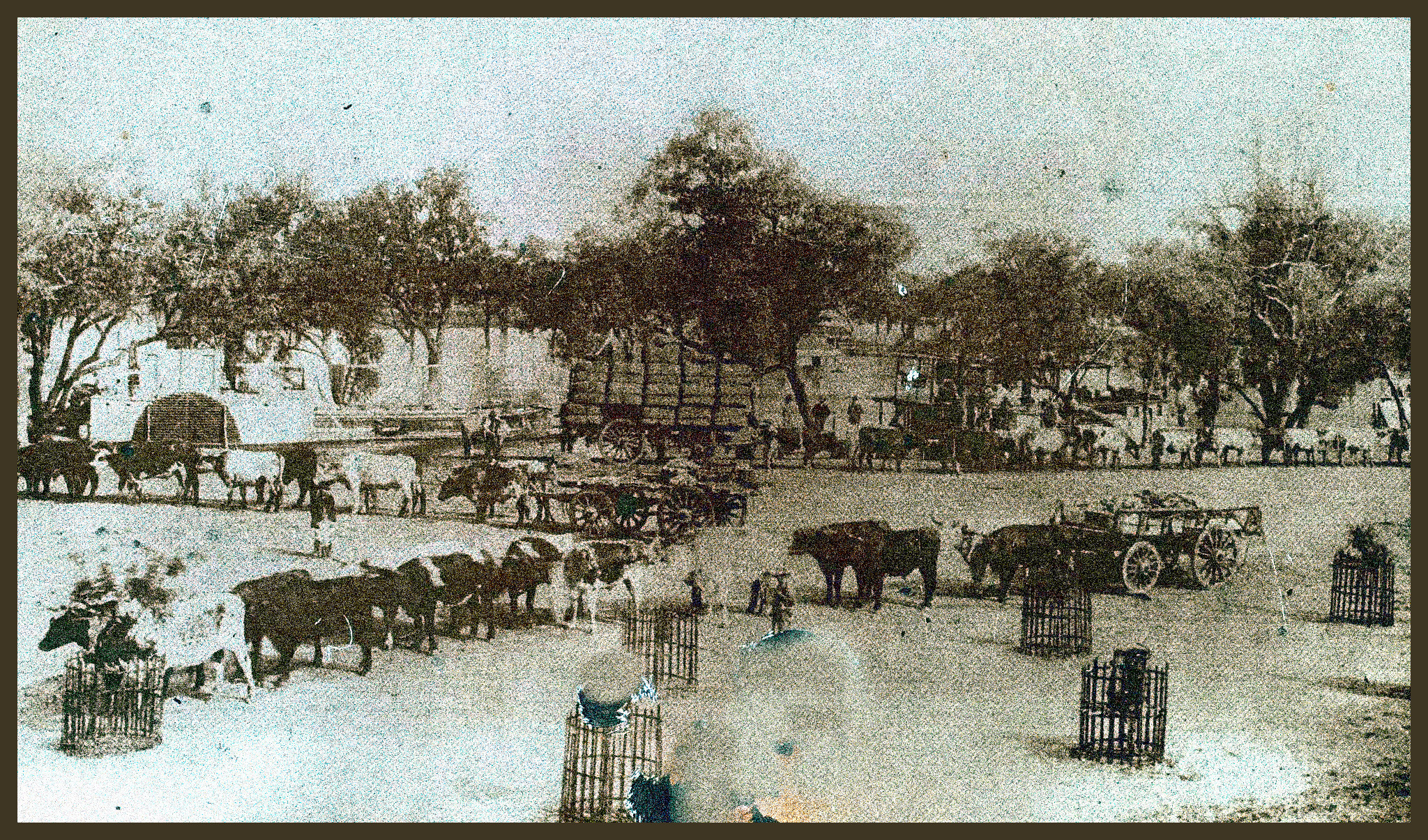
Bullock drivers were essential to the wool industry, transporting goods and supplies between the pastoral stations and the river port. Their skill in navigating the rugged outback terrain was unmatched, and their contribution to the region’s development was invaluable. During the late 1880s, a hundred or more bullock drivers and their wagons would gather at Wilcannia for the annual Bullockies Ball. A chalk line was drawn down the middle of the dance floor to separate the two groups – station owners or silvertails, and the teamsters and station hands or toe-rags.They danced and drank Resch’s locally brewed Lion beer until the early hours.
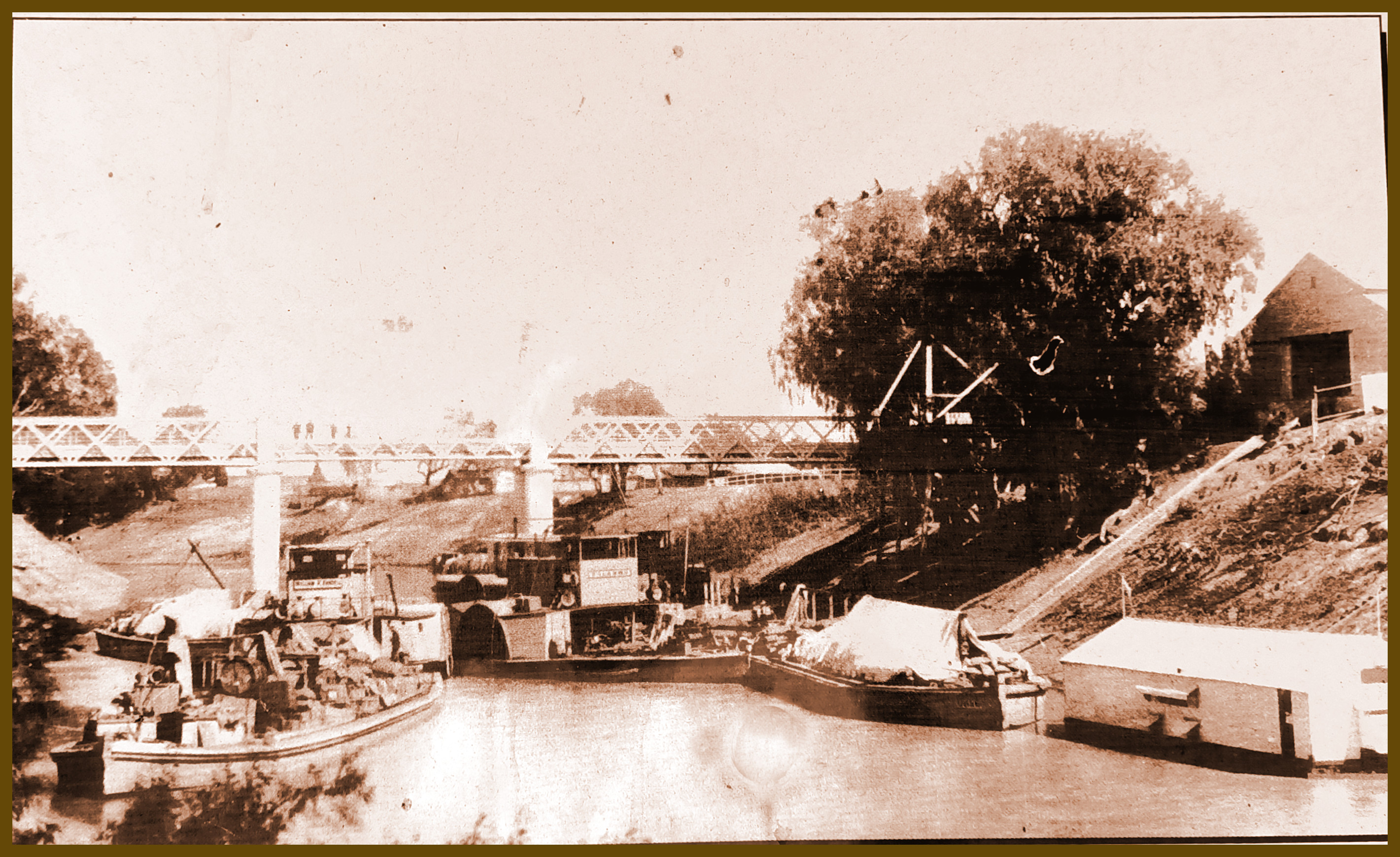
Paddle steamers were the lifeblood of Wilcannia, carrying wool and other goods along the Darling River. These vessels were uniquely Australian, built from local red gum to navigate the inland river systems. The ‘Lancashire Lass’, among others, was a testament to the ingenuity and determination of those who sought to tame the unpredictable waters of the Darling.
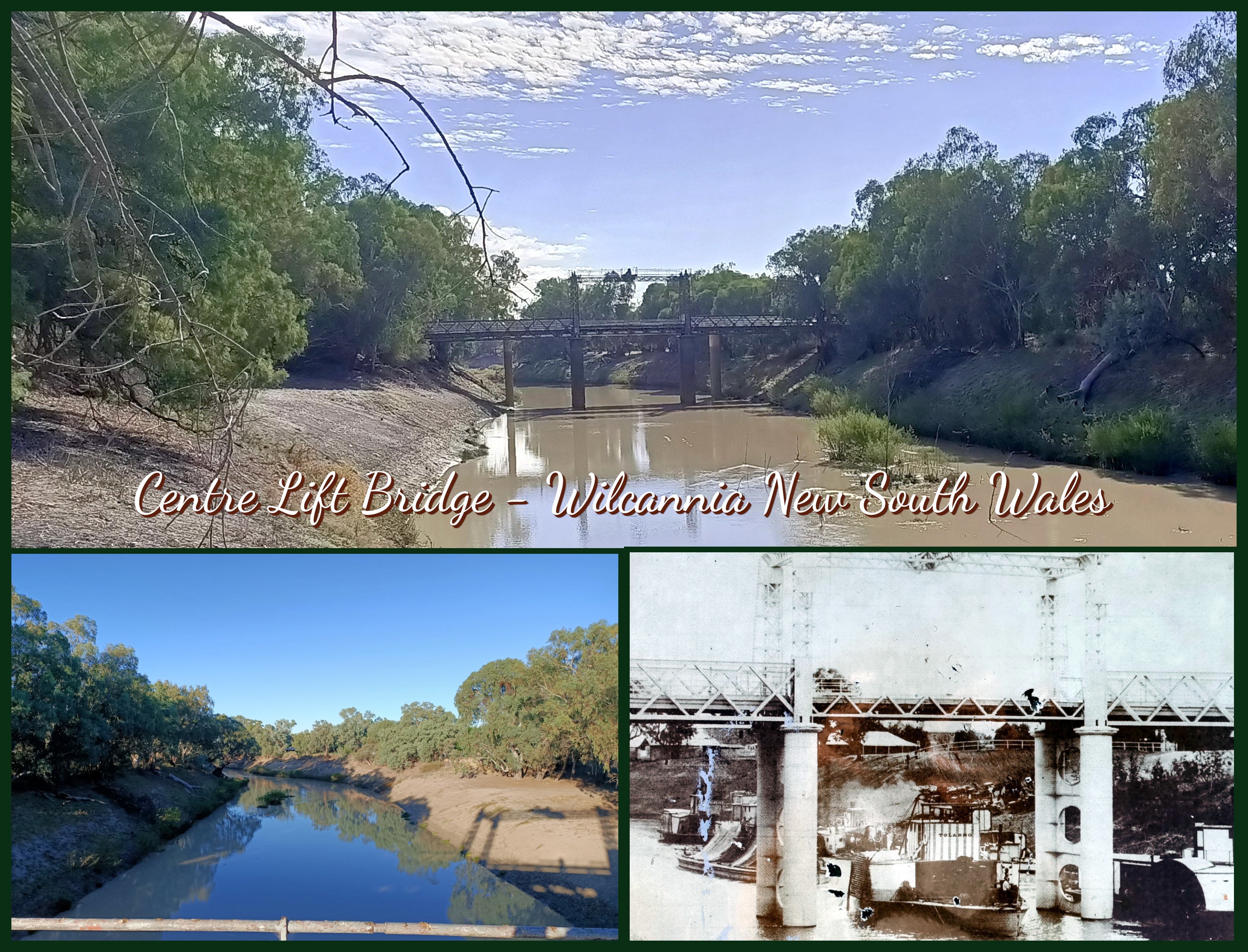
The iconic Wilcannia bridge, completed in 1896, is a testament to the town’s historical significance. This lift span bridge allowed paddle steamers to pass unhindered during high river levels and is now a heritage-listed structure, symbolizing the enduring legacy of the river trade era.
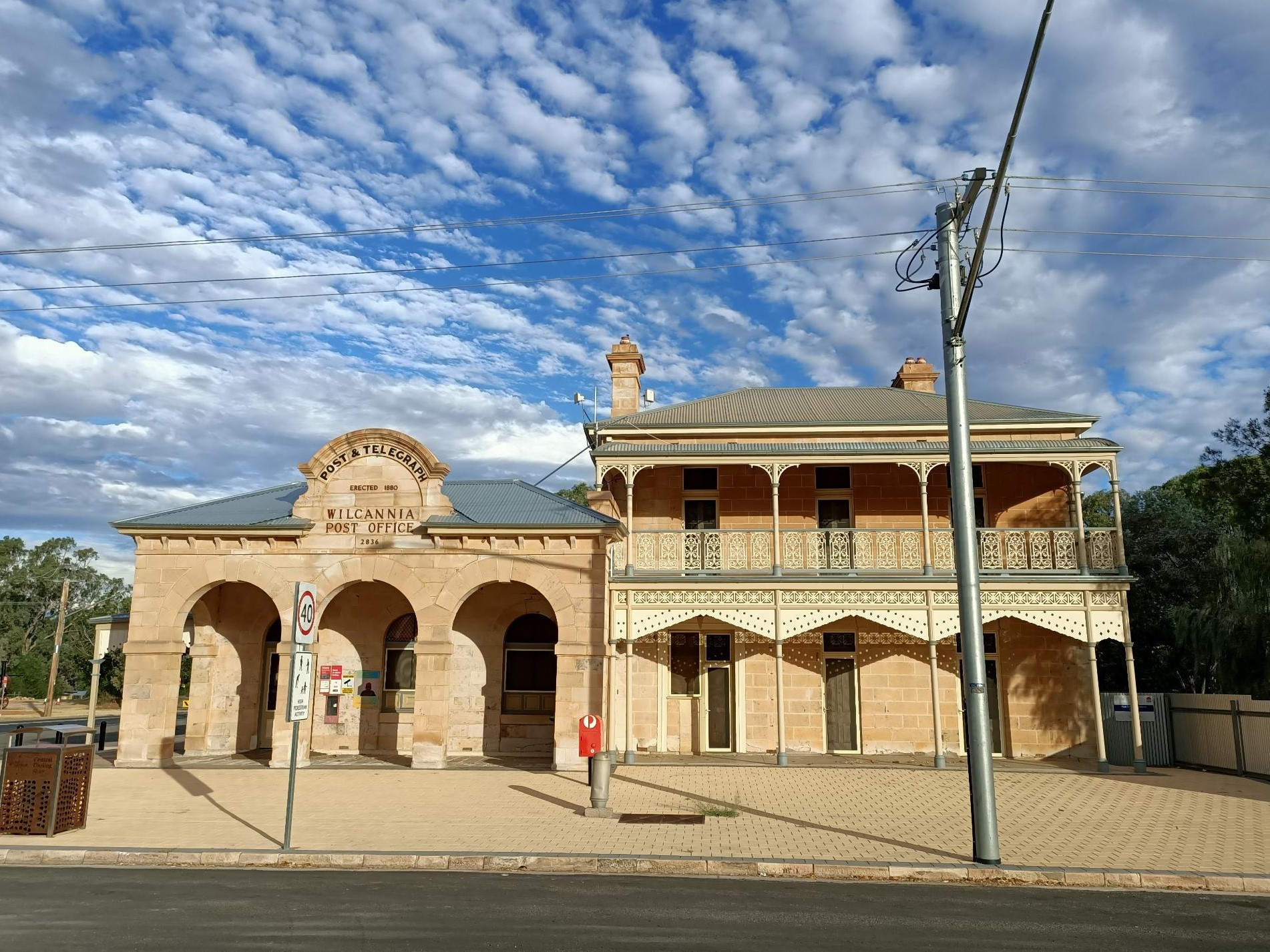
Today, Wilcannia is experiencing a resurgence in tourism, with visitors drawn to its remarkable collection of heritage buildings and the emerging local arts scene. The town’s streets, lined with sandstone structures from the late 1800s, tell the story of its vibrant past. Tourists can explore the Heritage Walk, visit the historic bridge, and engage with the local Indigenous community, which continues to play a vital role in the region’s identity.
Wilcannia’s story is one of resilience and adaptation, from its origins as a thriving river port to its current status as a community rich in history and culture. It stands as a reminder of the enduring spirit of both the Barkindji people and the settlers who followed, shaping the unique character of this outback town. In recent decades much time and effort has reshaped Wilcannia as a welcoming and interesting place to visit. The revamped Victory Park Caravan Park is now open and currently a new Cultural and Visitors Centre is under construction in the centre of town. Well done, Wilcannia!
 Jack and Mallie - All around Australia!