
Visitors to Wyndham, Western Australia most northerly town, are welcomed with the smile of a twenty metre crocodile!
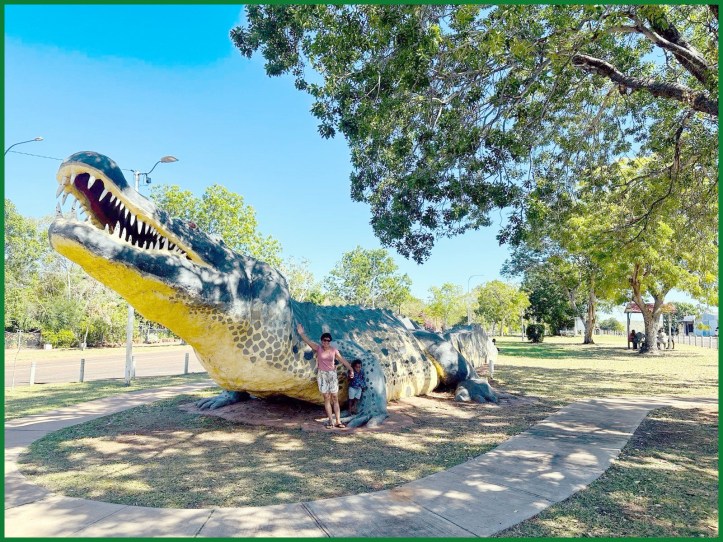
Situated on the edge of the Cambridge Gulf, Wyndham is surrounded by extensive salt lakes, rocky ranges and mudflats. There are actually two towns. There is old Wyndham (known as Wyndham Port) which lies under that part of the Erskine Range known as ‘The Bastion’ and a few kilometre south is Wyndham Three Mile where the majority of the population of about 1000 reside.
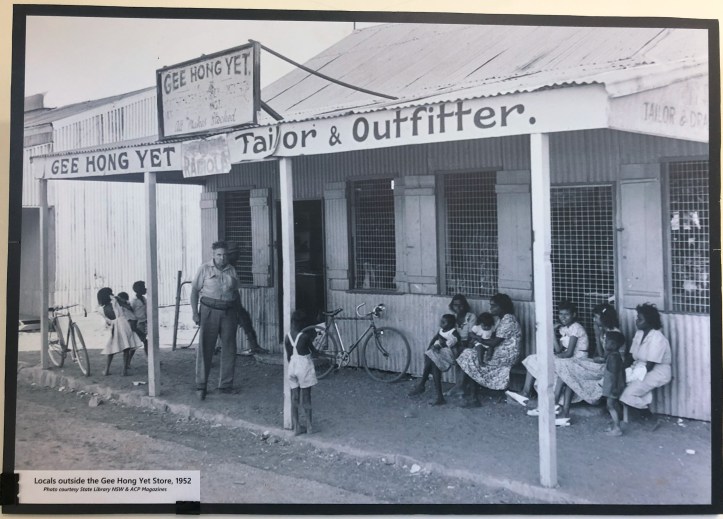
Wyndham Port hosts an excellent museum found at the end of a row of closed down frontier shops that lend a ghost town ambience to the entrance to the town.
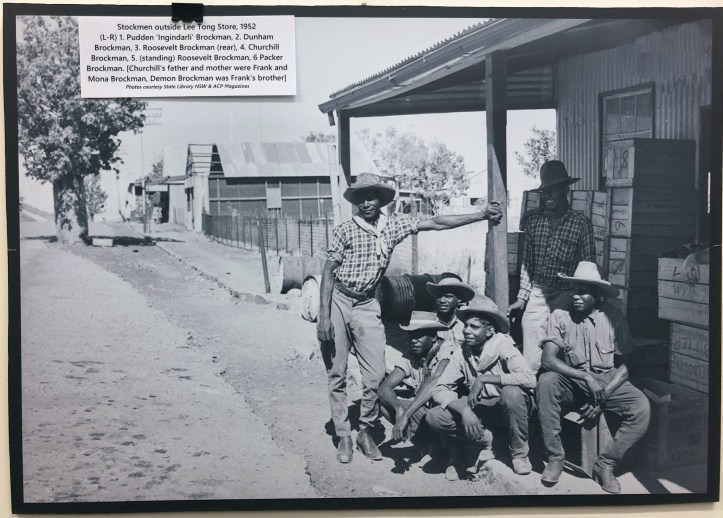
In the heady days of the Wyndham meatworks, stockmen like Jack “Diamond” Dickson below, drove large mobs of cattle through town to the slaughter yards.
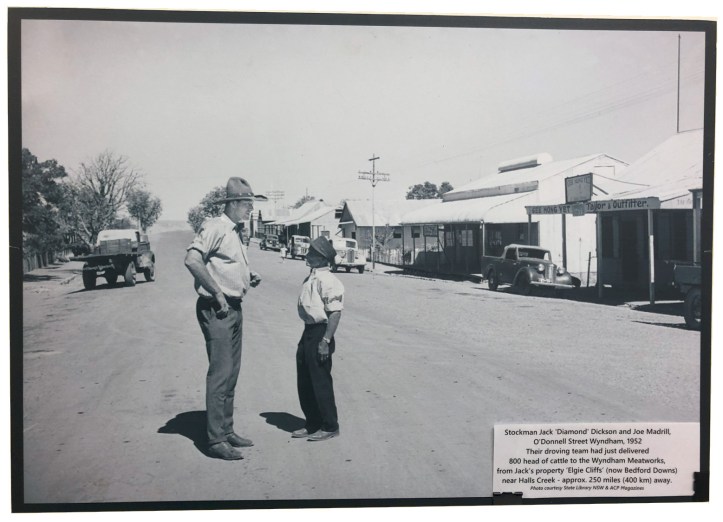
In the middle of last century, aborginal stockmen were the backbone of the industry, those below accompanying Jack Diamond Dickson with a mob of about 800 head.
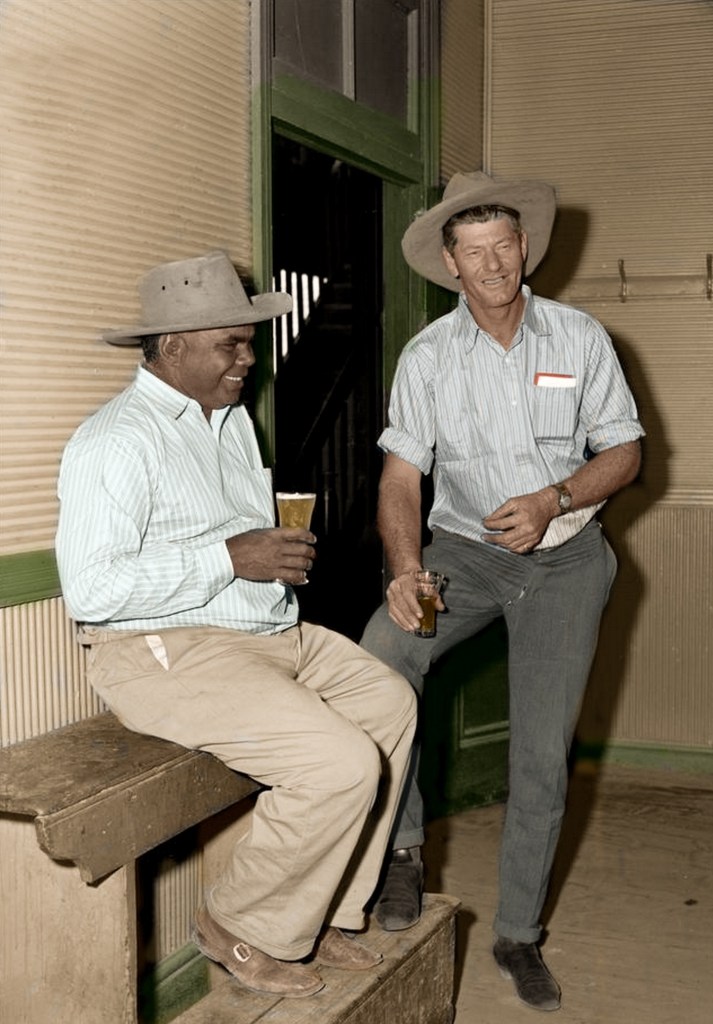
Needless to say, it would indeed be a rare stockman who, after many days in the saddle, left Wyndham without having a few refreshments.
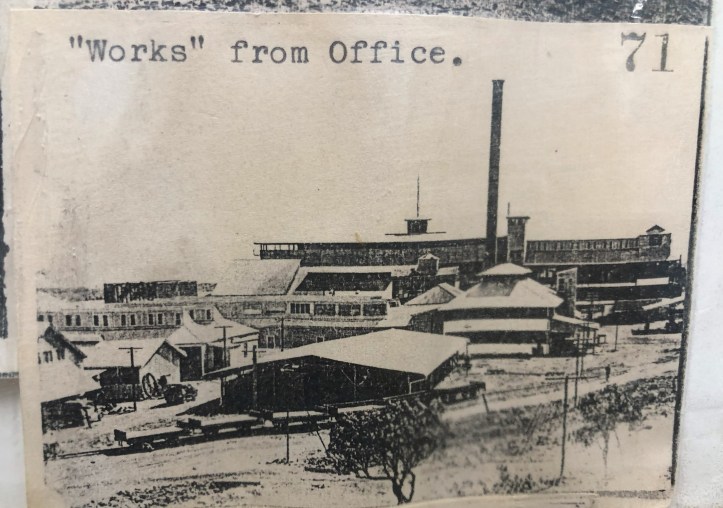
Wyndham Meatworks
Built by the Western Australian government in 1919, the Wyndham Meatworks was the mainstay of the local economy for over sixty years until its closure in 1985.
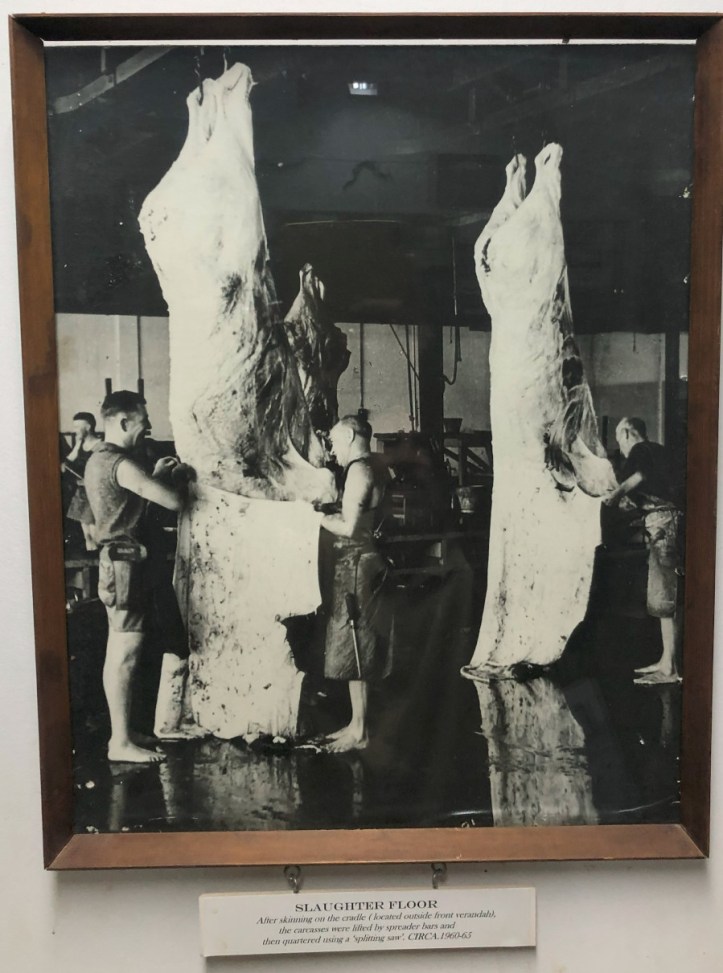
Each year meatworkers would arrive via the Stateships, for the season lasting up to 20 weeks between April and September. The work (and play) was very hard, and the weather could be hot and oppressive. In the early days, workers died from heart attacks, heatstroke and skin diseases.
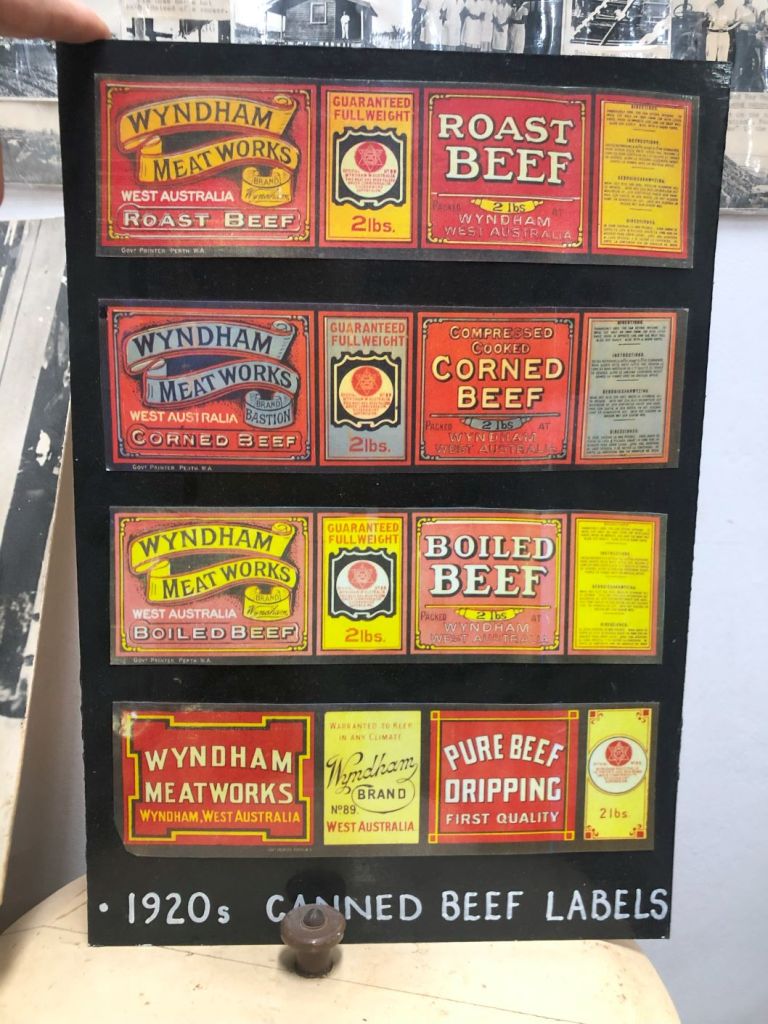
The extensive memorabilia at the Wyndham Museum, takes more than one day to fully examine. Pictured below are some of the tinned meats produced at the meatworks.
Around Wyndham
The Wyndham Caravan Park, where we enjoy a week, is also home to the largest known Boabab tree, thought to be about 2000 years old.
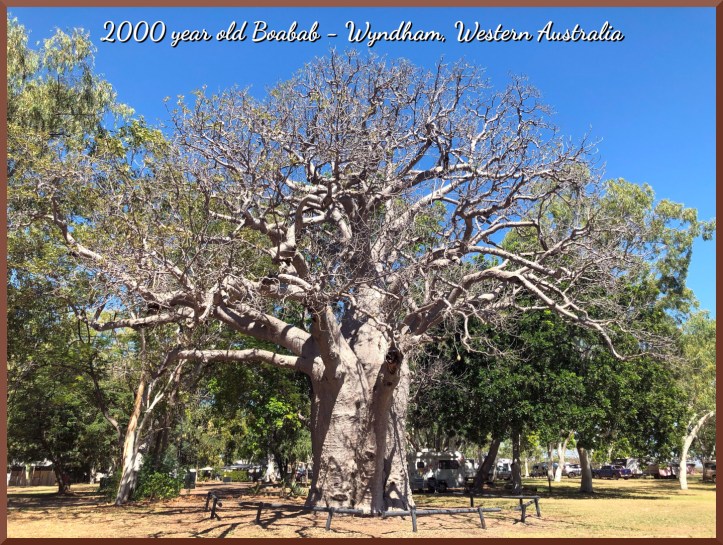
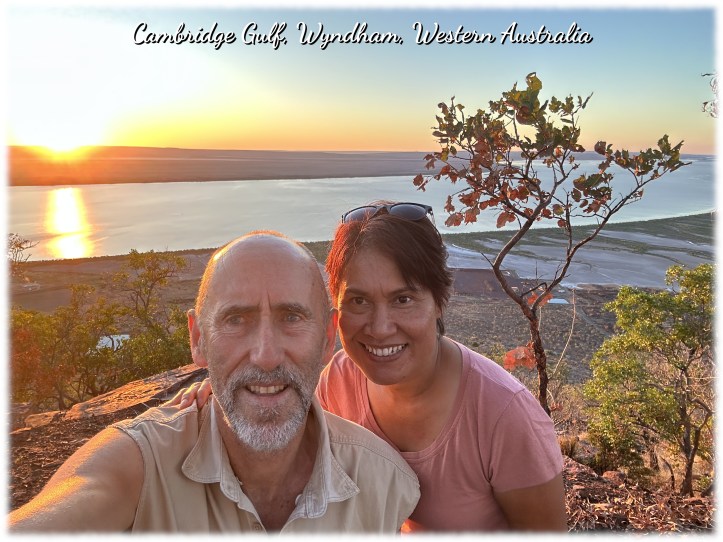
The Balanggarra people have lived in the Wyndham area for thousands of years. The area around Wyndam Port, they call, “Brown Water Country” due to the muddy nature of the waters where the five local rivers converge into the Cambridge Gulf.
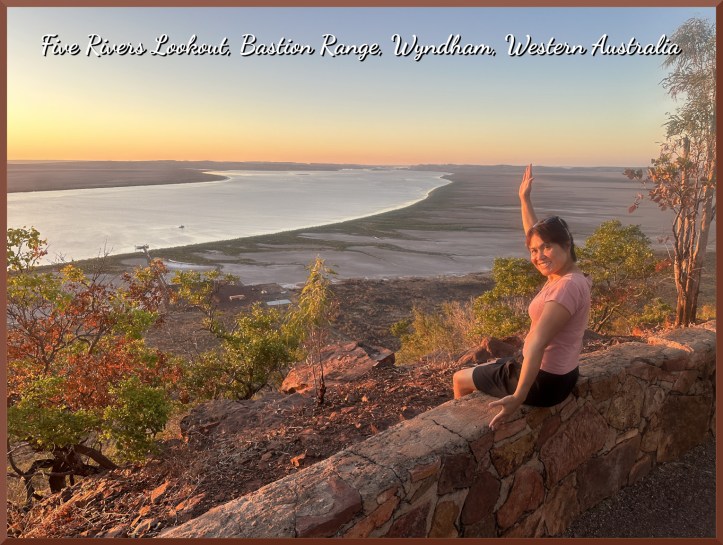
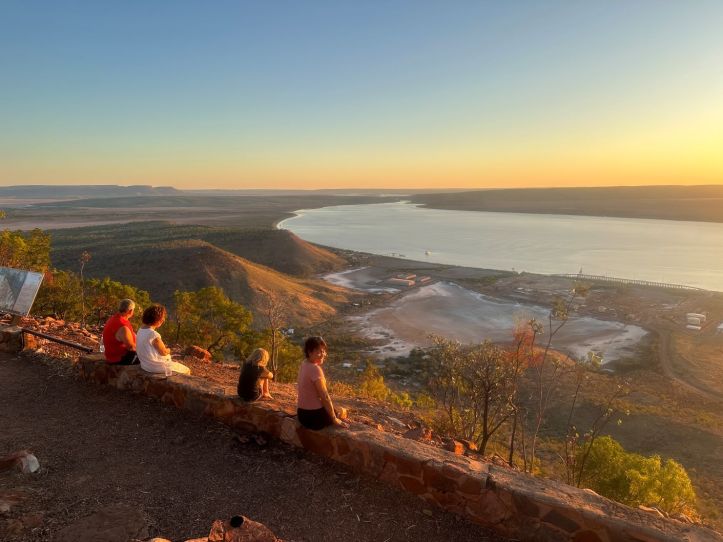
Wyndham, Five Rivers Lookout, a popular place for sunset photography.
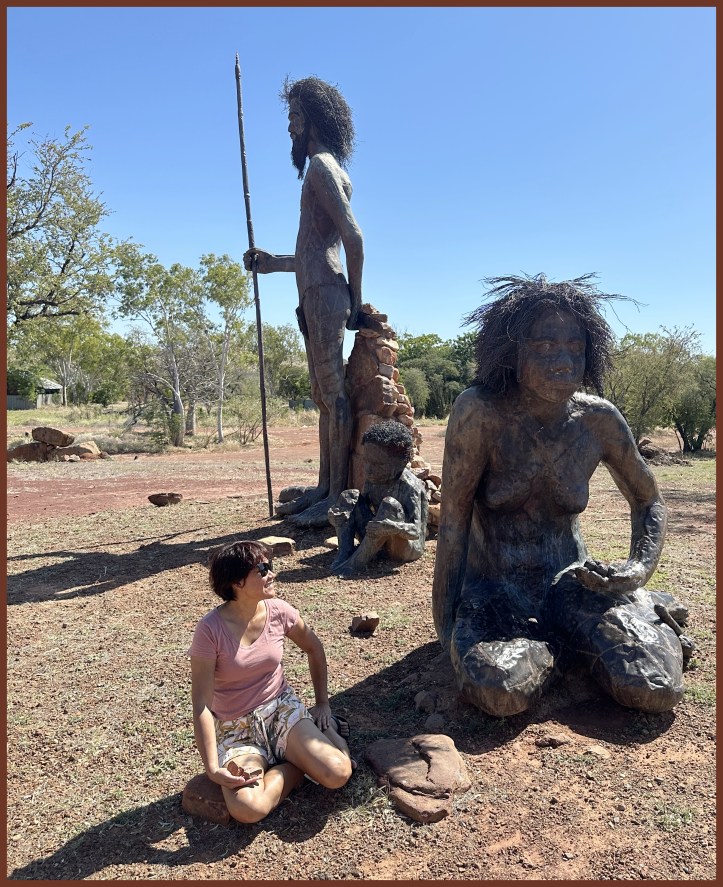
At Wyndham’s Warriu Dreamtime Park, these larger-than-life bronze statues depict the traditional life of the Balanggarra people.
Law and Order in Wyndham
Throughout the world, inhumane treatment of prisoners was not uncommon in the nineteenth century. Sadly, this was also the case in Australia where chaining by the neck of Aboriginal prisoners was a common practice. In those day at Wyndham, chained prisoners were allowed into the river for bathing.
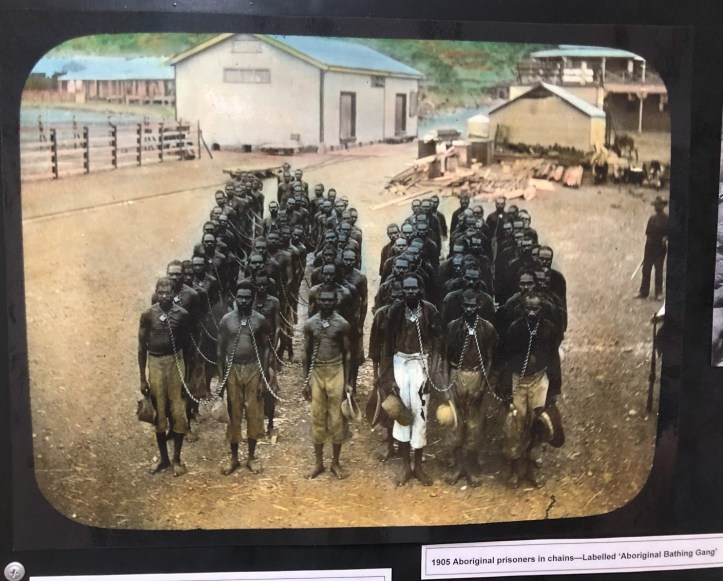
During the dry season in the 1890s police patrols picked up prisoners around the Kimberley to be brought into Wyndham to face justice and sentencing. A hollow boab tree, about thirty kilometres from Wyndham, beside the King River, was used for the purpose of securing prisoners overnight. Known as Hillgrove Lockup, the interior could hold up to thirty men. The Youtube video below shows a very savage and violent criminal being force by an unknown female into the holding cell of the Prison Tree!
 Jack and Mallie - All around Australia!
Another great location, really working your way around now.some stark pics of the darker days!!
Faboulous views.
we are hoping to head to Renmark in SA next week.
Take care – Ray
LikeLike
Enjoy Renmark Ray, good spot. I trust the weather will be kind to you. Cheers, Jack
LikeLike