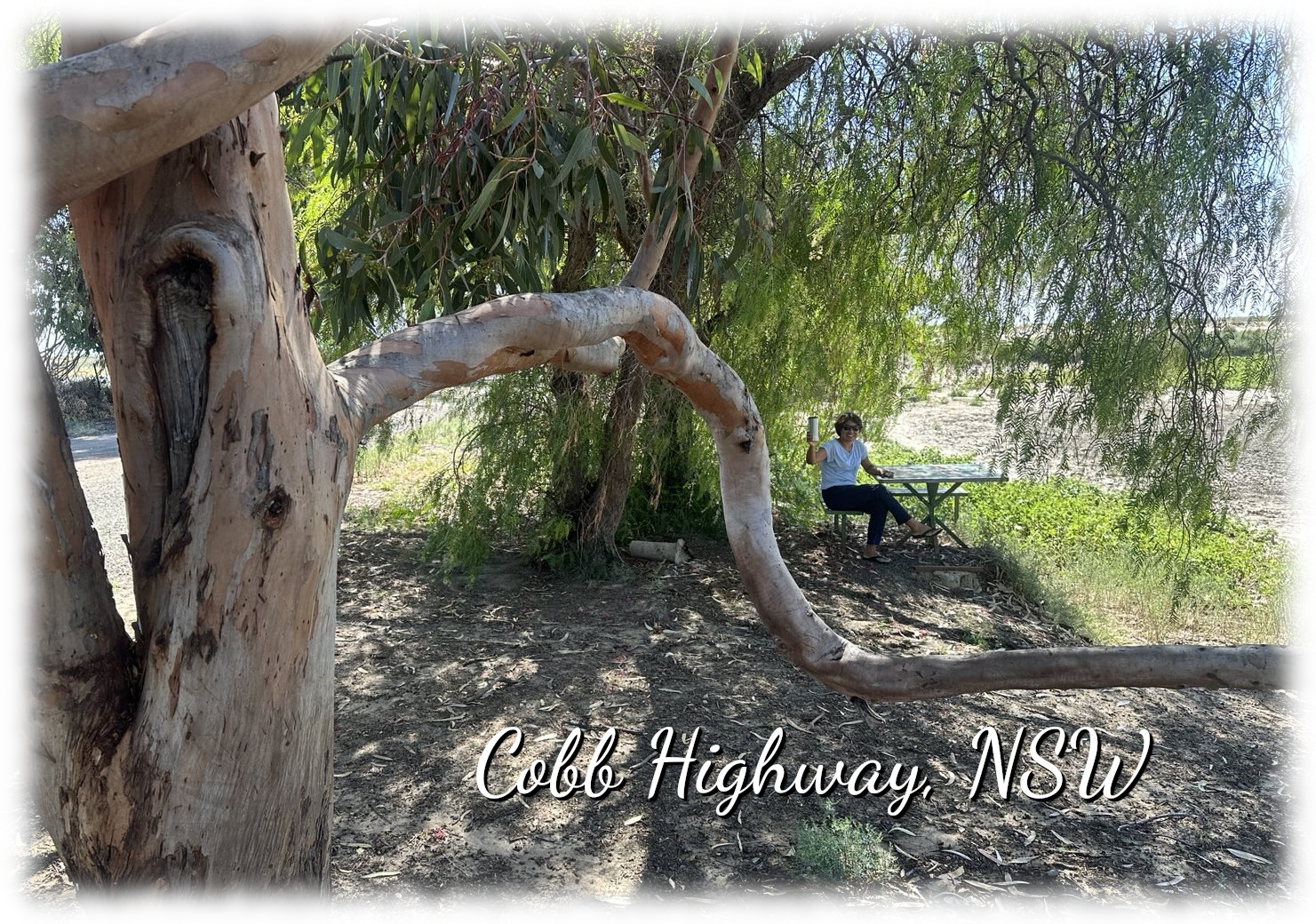
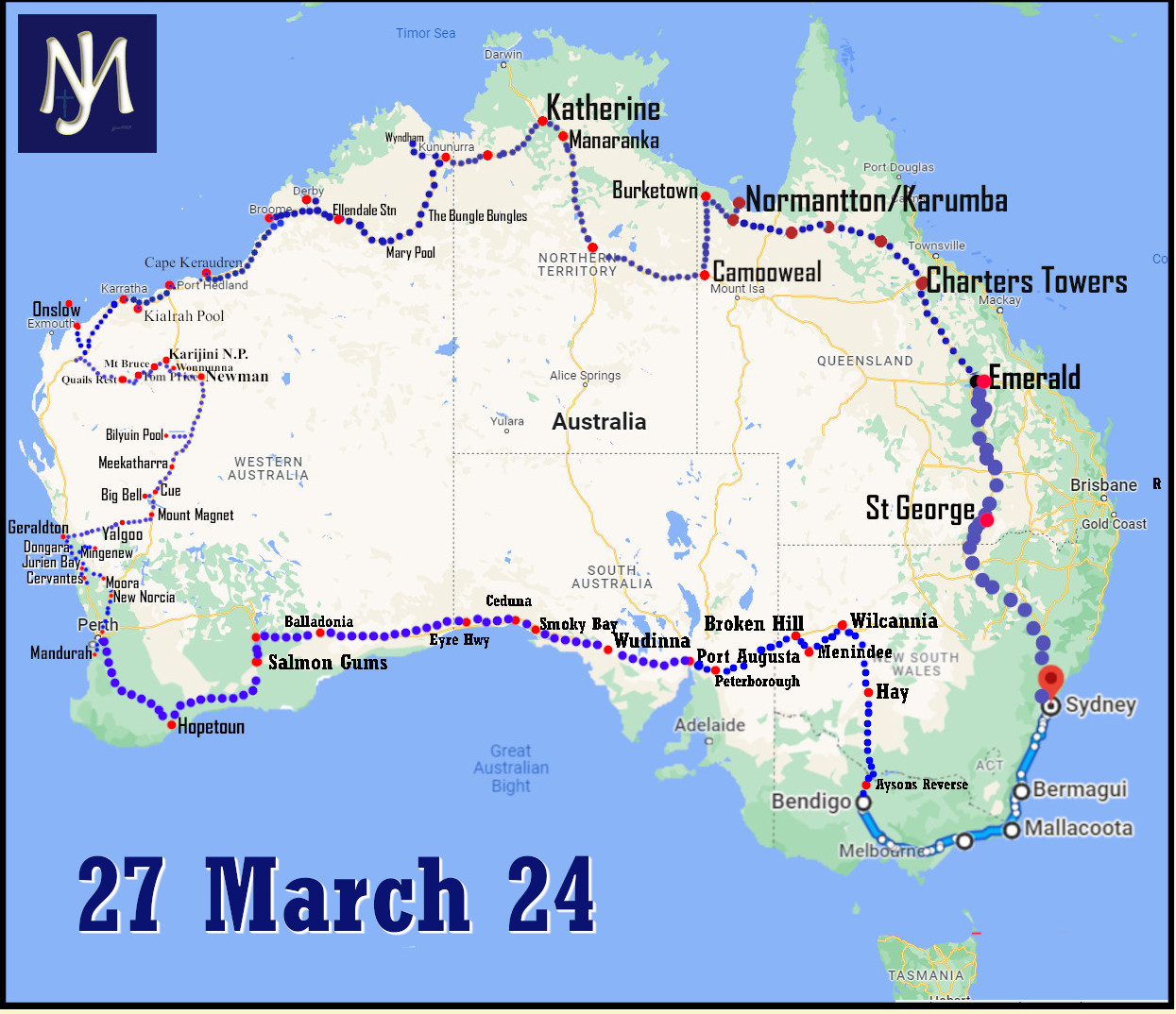
After three enjoyable days at Wilcannia, we journeyed south along the now fully sealed Cobb Highway, passing through the small townships of Ivanhoe and Booligal to arrive about five hours later at the Hay Showgrounds Camping Area.
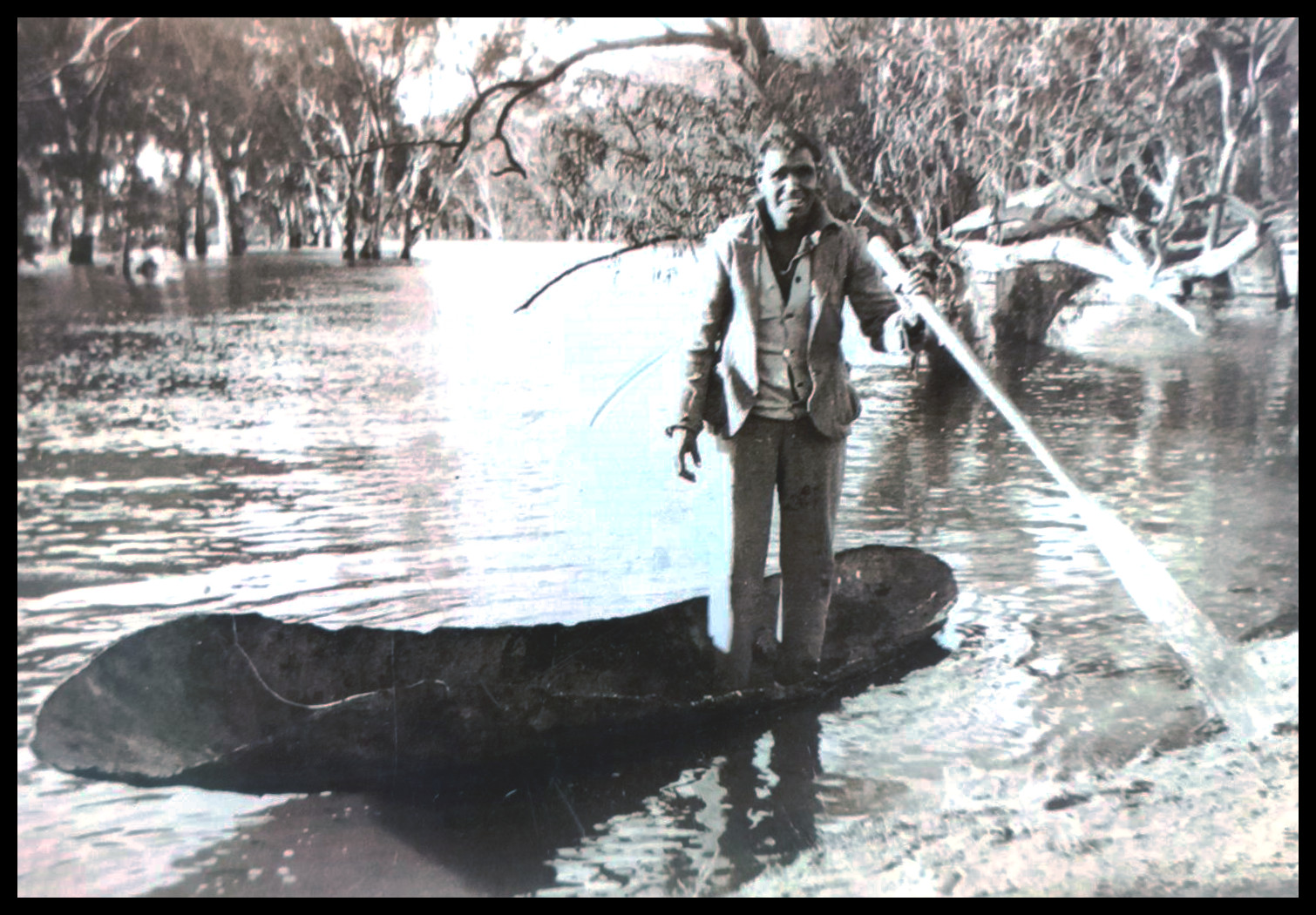
The area around Hay was traditionally inhabited by three distinct First Nations groups: the Wiradjuri, Nari Nari, and Yitha Yitha peoples. These Indigenous communities had deep connections to the lands, waterways, and seas. The Hay Shire, covering over 11,000 square kilometers, lies within their ancestral territories. Their resourceful adaptation to local environments included fishing, canoe-making, and utilizing water and land resources during different seasons.
In the mid-1850s, pastoral runs in the western Riverina flourished. The fertile grazing land on the Hay Plains attracted became a vital hub for fattening livestock. The Riverina served as a holding center, supplying the Victorian goldfields. Lang’s Crossing Place, where Hay township developed, was a crucial crossing point on the Murrumbidgee River.
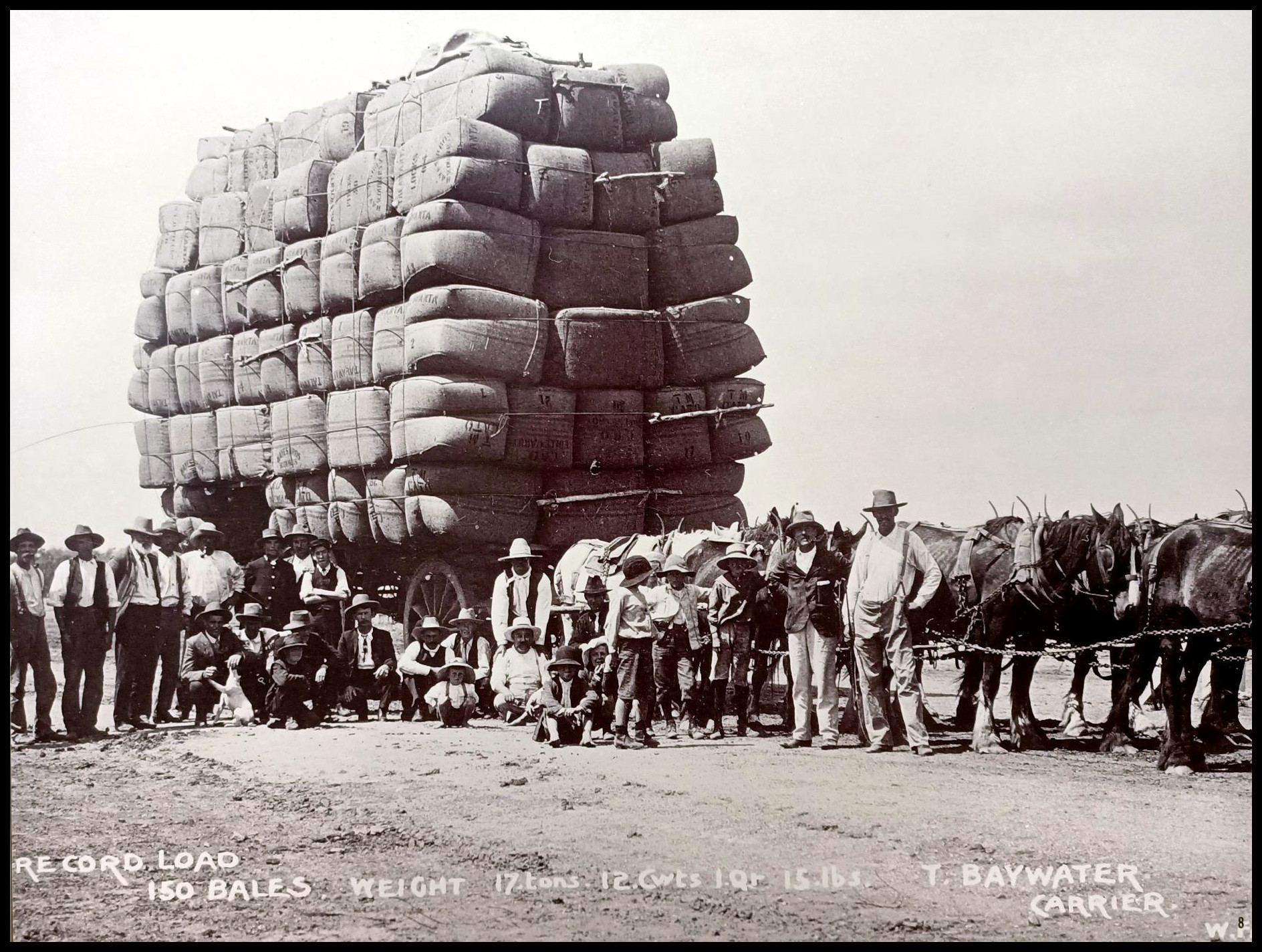
The extension of the New South Wales railway to Hay in 1882 marked a shift from paddlesteamer transportation of wool to rail connections with the capital Sydney.
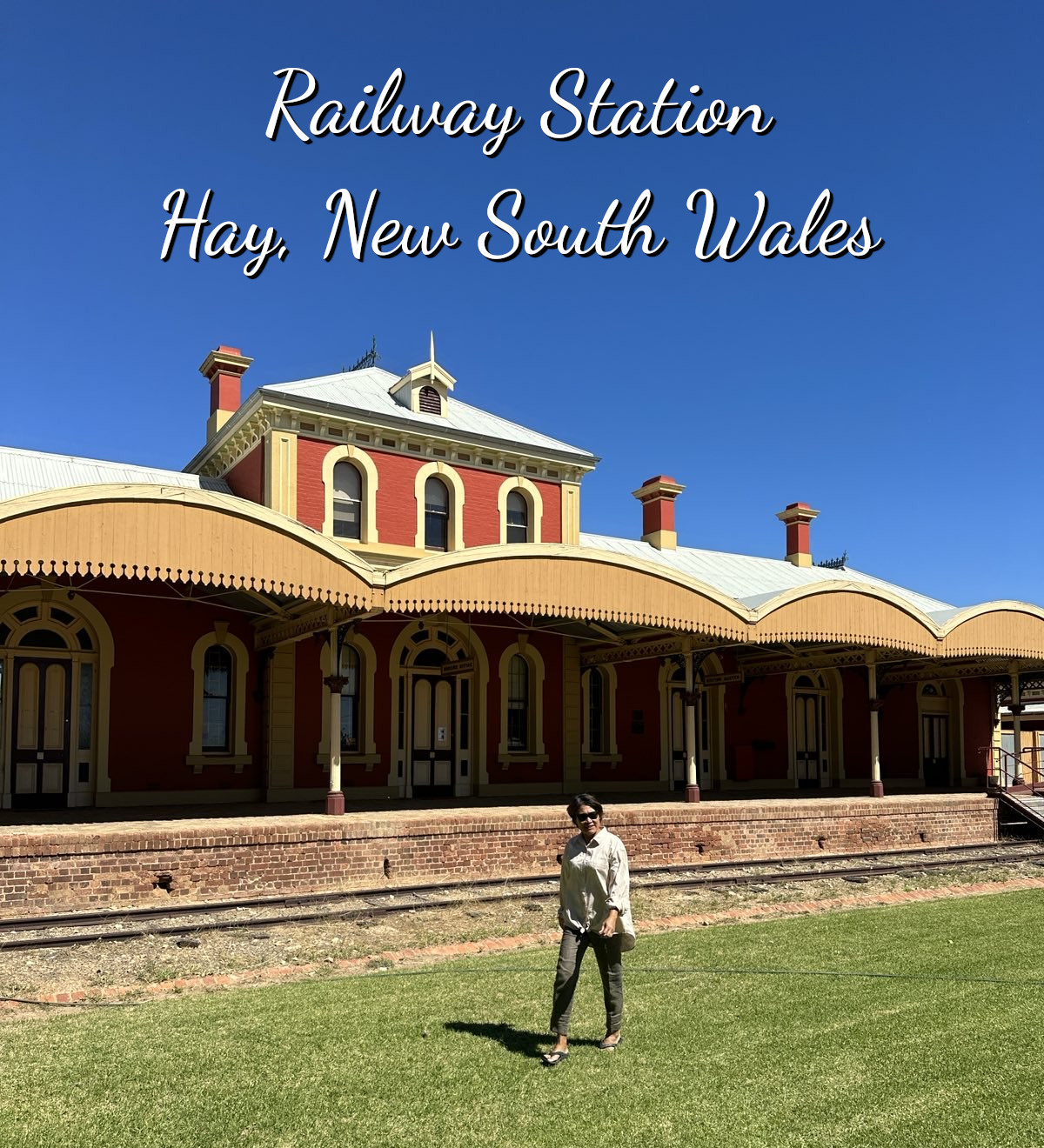
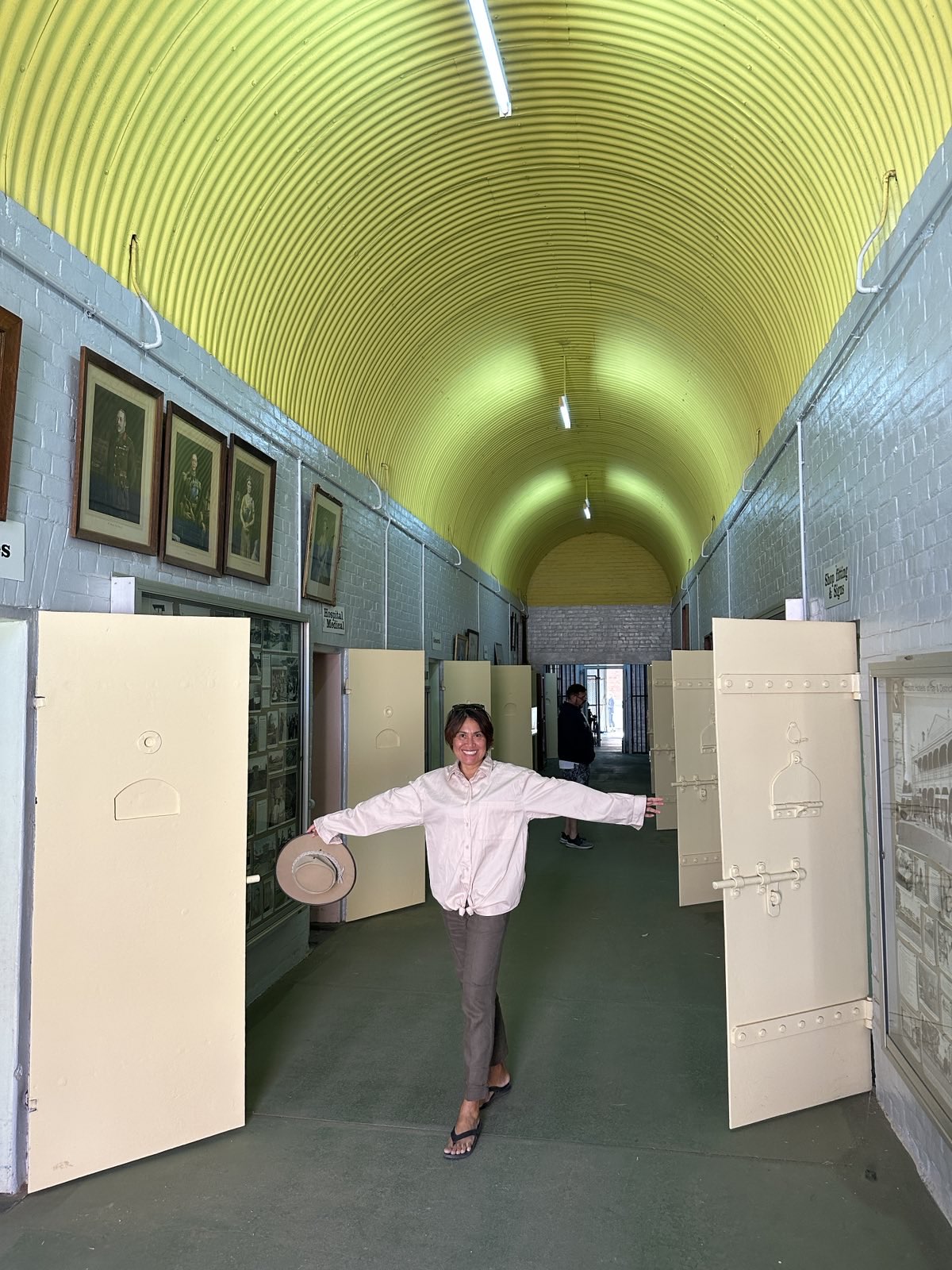
During World War II, Hay played a significant role as a prisoner-of-war and internment centre. The isolated location of the town made it suitable for high-security camps. In 1940, three camps were established. Whilst the historic Hay Gaol operated as an adult prison from 1880 to 1915 and 1930 to 1940, during World War II, it functioned as a prisoner-of-war camp. After the war, from 1961 to 1974, it transformed into the Hay Institution for Girls, an annex of the Parramatta Girls Training School. The institution faced community condemnation and eventually closed in 1974.
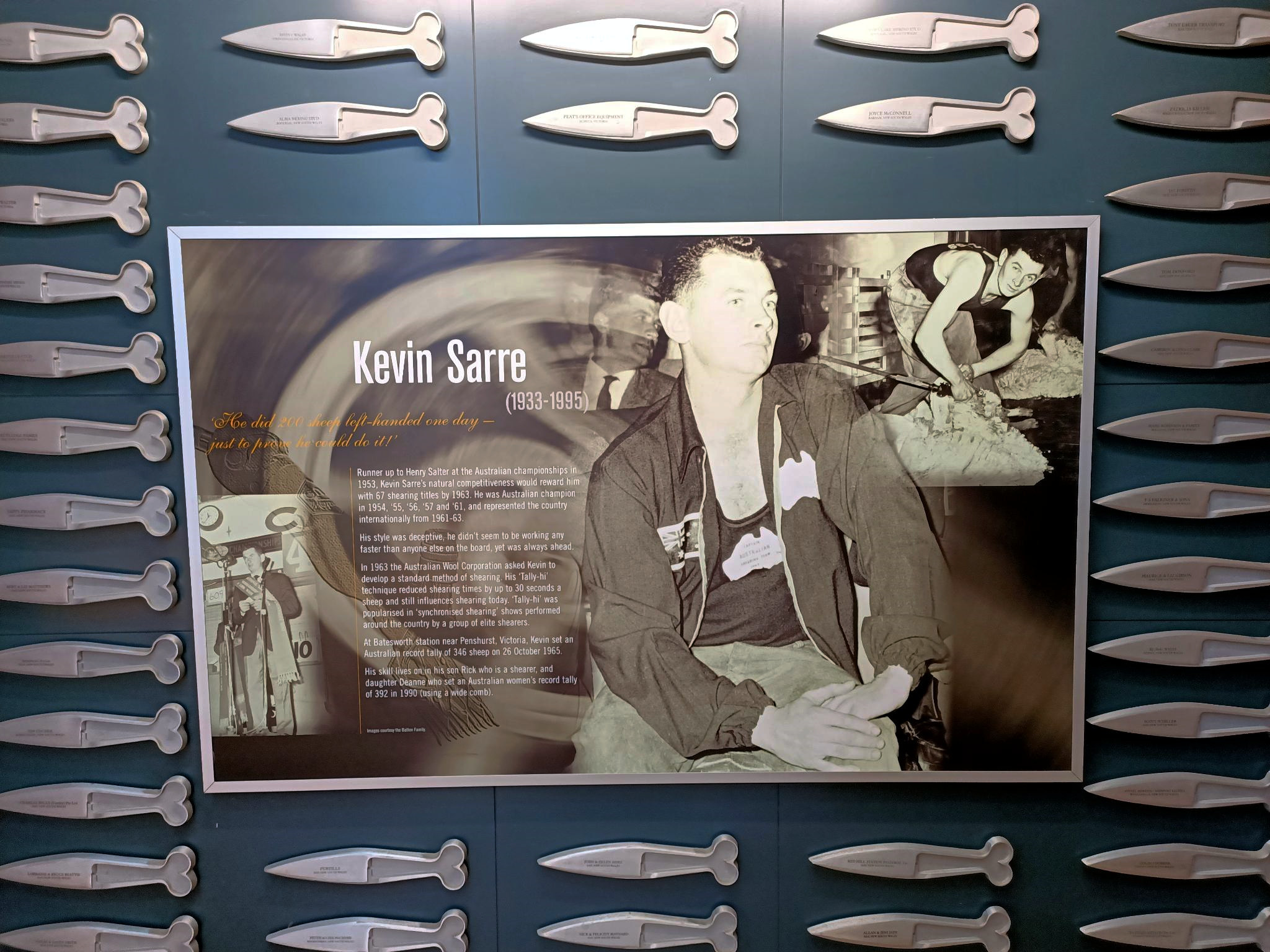
Hay celebrates its agricultural heritage through the Shear Outback Shearers Hall of Fame. This museum honours the shearers, wool industry workers, and rural traditions that shaped the region. Visitors can explore exhibits, learn about shearing techniques, and appreciate the vital role wool played in Australia’s economy. The Hall of Fame pays tribute to the hardworking men and women including Lockington legend, champion shearer Kevin Sarre.
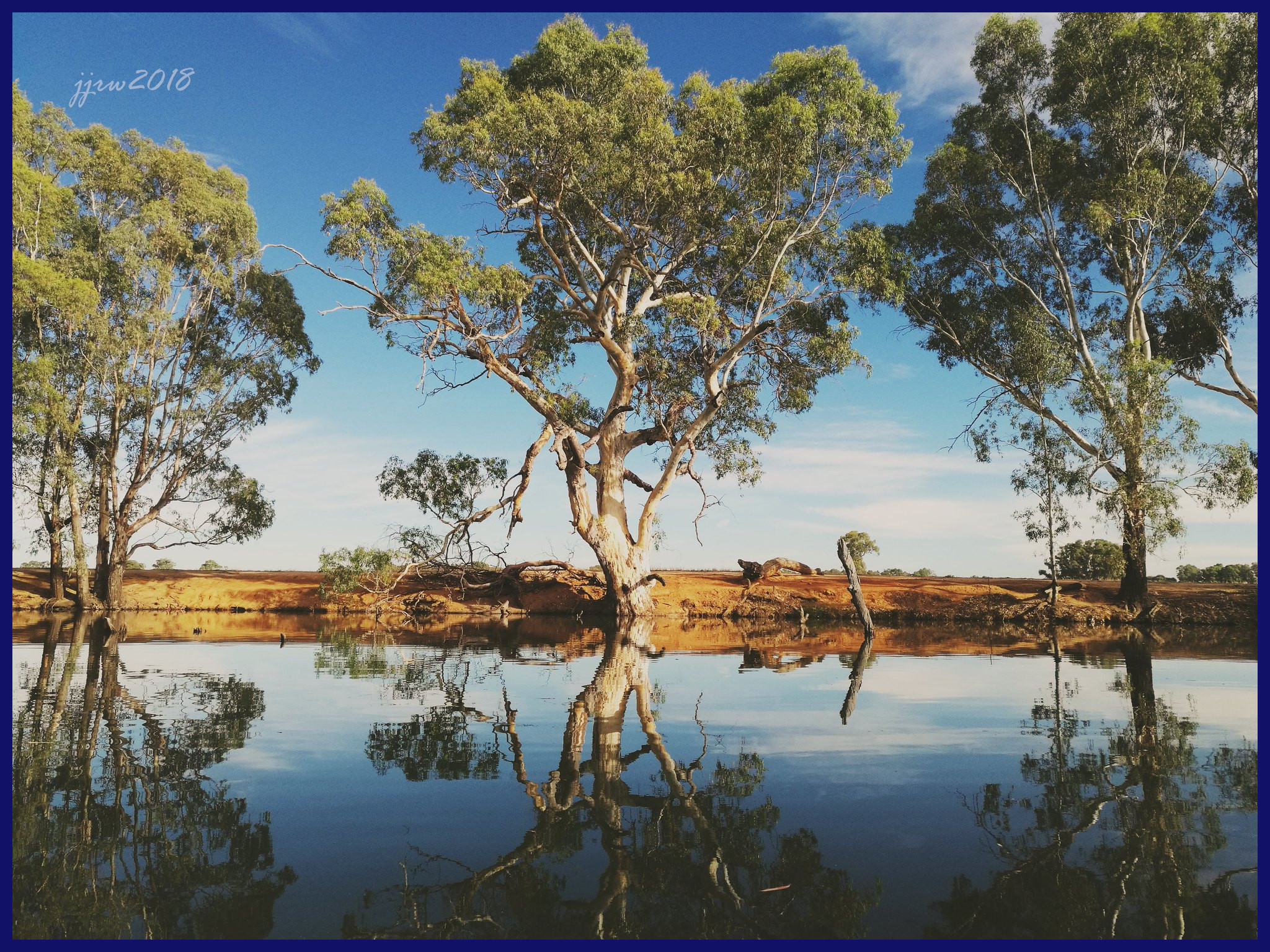
Home via Ayson Reserve
Leaving Hay, after the weekend we rested for a couple of days at Aysons Reserve on the Campaspe River between Rochester and Elmore, before making the final leg of our “Big Lap” around Australia and returning home to Bendigo.
A big lap and big thank you!
Many thanks to all who have followed us around Australia over the past year and over a distance of more than twenty-five thousand kilometres. We loved sharing our photos and stories and cultivating such wonderful memories. Indeed, we have been very blessed to enjoy a safe and happy journey around our beautiful country.
 Jack and Mallie - All around Australia!
Another interesting Post, glad you made it home safe and sound Ray
Sent from my iPhone
>
LikeLiked by 1 person
Thanks Ray, Happy Easter!
LikeLike